


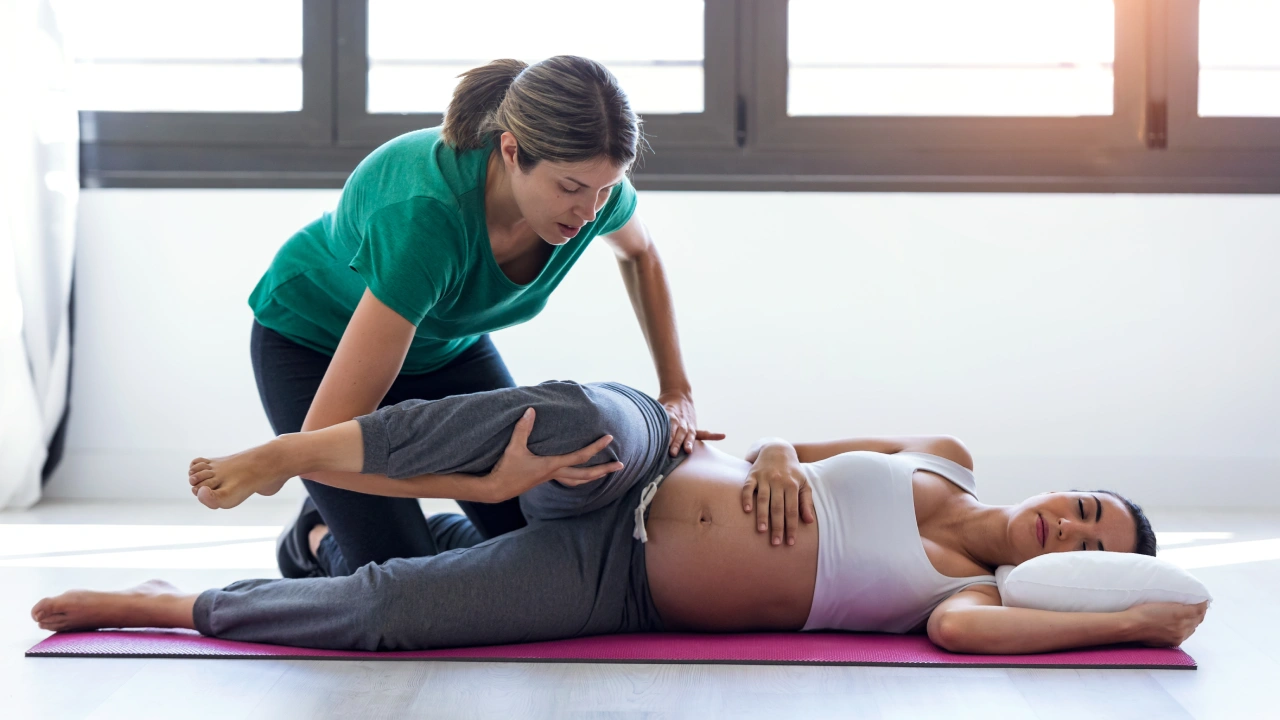
How pelvic physiotherapy fits into pregnancy-related body changes
Pregnancy brings steady changes in the body. As the baby grows, the pelvis adapts to shifting weight, changing posture, and hormonal influences. These changes can affect movement, daily activity comfort, and core muscle coordination.
Pelvic physiotherapy during pregnancy focuses on how the pelvic floor and surrounding muscles respond to these changes. It is often included in prenatal care discussions to support mobility, function, and physical adaptation during pregnancy. In Newmarket, ON (L3Y 4W4), more expecting mothers are exploring pelvic physiotherapy to stay active and manage physical strain during this stage.
Below are key reasons it is becoming part of pregnancy care conversations.
1. Pelvic Pressure That Builds Over Time
As pregnancy progresses, increased pressure in the pelvic area becomes more noticeable during walking, standing, or lifting light objects.
What pelvic physiotherapy may focus on:
- Pelvic floor muscle coordination
- Breathing techniques linked with core support
- Position awareness during daily movement
This type of care helps the body adjust to added load in a controlled way.
2. Lower Back and Pelvic Discomfort During Routine Movement
Many expecting individuals experience discomfort in the lower back or pelvic region during simple activities, such as sitting for long periods or getting out of bed.
Support approaches may include:
- Gentle mobility routines.
- Muscle balance work around the hips and spine.
- Posture awareness during sitting and standing.
These methods aim to reduce strain patterns that build over time.
3. Changes in Bladder Control
During pregnancy, some individuals experience changes in bladder control, especially when coughing, laughing, or sneezing.
Pelvic physiotherapy may include:
- Pelvic floor activation exercises
- Coordination training for muscle timing
- Awareness strategies for daily movement control
This area is often addressed early to support function during the pregnancy stages.
4. Preparation for Labour and Delivery Demands
Childbirth places significant demand on pelvic muscles and surrounding structures. Preparing these muscles beforehand is often discussed in prenatal care planning.
Common focus areas:
- Learning controlled relaxation of pelvic muscles
- Improving coordination between breathing and muscle engagement
- Practicing movement positions that may assist labour stages
This preparation helps the body respond more efficiently during delivery.
5. Core Muscle Changes and Stability Shifts
As the abdomen expands, core stability changes. This can affect balance and movement confidence.
Pelvic physiotherapy may work on:
- Deep core muscle activation
- Support between the abdominal and pelvic muscles
- Safe movement patterns during pregnancy
These approaches help maintain steadiness during everyday activities.
6. Hip Tightness and Reduced Movement Range
Hormonal changes during pregnancy can loosen ligaments, while changes in posture can create tightness in the hips and surrounding muscles.
Support strategies may include:
- Gentle stretching routines for hip mobility
- Controlled movement drills
- Muscle balance exercises for the surrounding areas
This helps maintain smoother movement in daily routines.
7. Recovery Awareness After Birth
After delivery, the pelvic region continues adjusting. Early awareness of recovery patterns can make post-pregnancy movement adjustment smoother.
Pelvic physiotherapy may support:
- Gradual reactivation of pelvic muscles
- Safe return to movement routines
- Monitoring of posture changes after childbirth
This stage is often part of ongoing postpartum care planning.
Why Pelvic Physiotherapy Is Becoming a Common Prenatal Choice
Pregnancy changes are natural, but the way the body adapts can vary widely. Pelvic physiotherapy focuses on how muscles and movement patterns respond to those changes.
It is often included in prenatal care discussions for individuals who want support with:
- Movement comfort during daily tasks
- Muscle coordination in the pelvic region
- Preparation for childbirth demands
- Post-pregnancy recovery planning
Key Areas Commonly Addressed in Sessions
- Pelvic floor muscle coordination
- Core stability during pregnancy
- Hip and lower back movement patterns
- Breathing is linked with muscle control
- Posture during sitting, standing, and walking
Each session typically focuses on movement awareness and muscle coordination based on the pregnancy stage.
When to Consider Pelvic Physiotherapy During Pregnancy
Some signs that prompt consideration include:
- Increasing pelvic pressure during daily activity
- Changes in bladder control
- Difficulty maintaining a comfortable posture
- Reduced mobility in the hips or lower back
- Concerns about childbirth preparation
Early attention to these changes can help adjust movement habits during pregnancy.
Connect with Reconnect Physiotherapy and Wellness
If you are pregnant and noticing changes in movement, posture, or pelvic comfort, Reconnect Physiotherapy and Wellness in Newmarket, ON (L3Y 4W4) provides care focused on pregnancy-related physical changes.
Appointments can help you understand what your body is going through and how to move with greater control during the pregnancy stages.
Contact Reconnect Physiotherapy and Wellness today to book a session in Newmarket, ON.