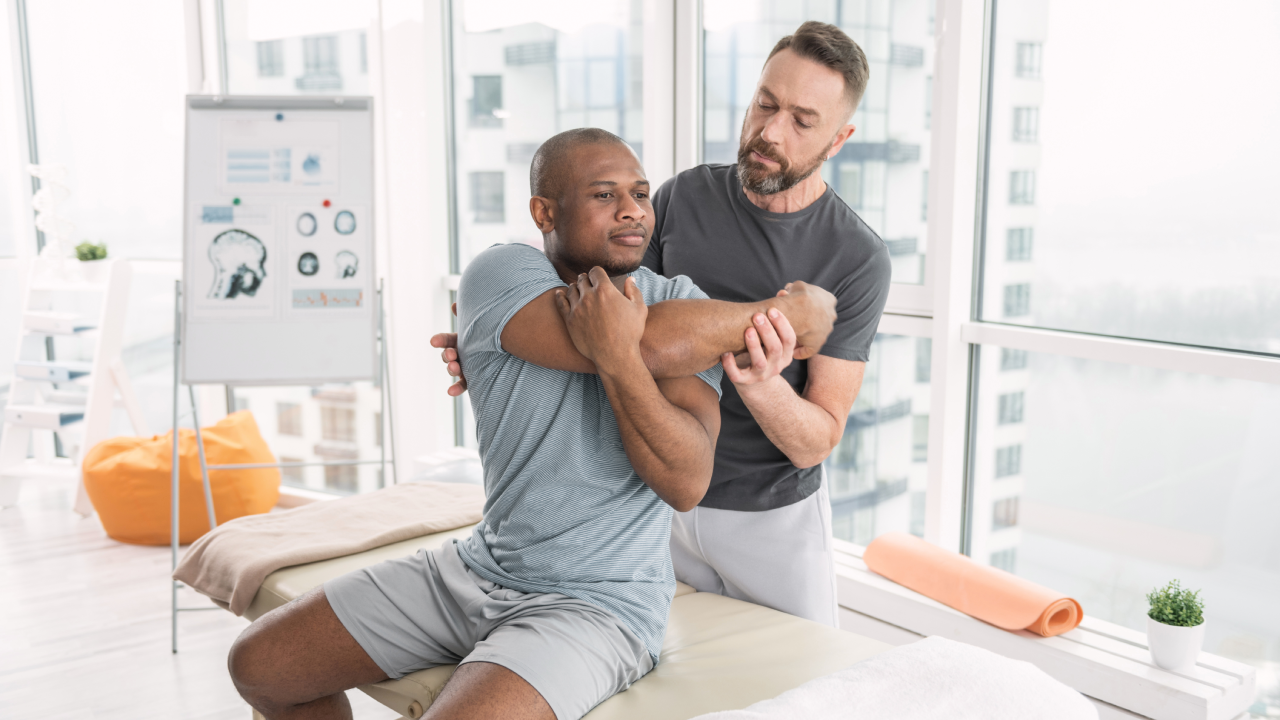
Move More Comfortably by Supporting Healthy Joint Mobility
Joint stiffness can make ordinary tasks feel more difficult than they should. Walking after sitting for a while, reaching into a cupboard, climbing stairs, or getting out of bed may all become uncomfortable when the joints do not move freely. Many people assume stiffness is simply part of getting older, but it can also develop because of repetitive work, inactivity, previous injuries, arthritis, poor posture, or muscle imbalance.
Simple lifestyle changes can improve joint movement and make daily activities more comfortable. Consistent movement, healthy routines, and attention to body mechanics all play a role in maintaining mobility. Physiotherapy focuses on restoring movement, improving function, and helping people stay active through safe, practical strategies.
Whether stiffness affects your knees, hips, shoulders, neck, or hands, these tips can help you move with greater ease.
1. Start Your Morning With Gentle Movement
Many people notice stiffness first thing in the morning because the body has remained still throughout the night. Rather than rushing into your day, spend five to ten minutes performing slow movements before demanding activities.
Gentle shoulder circles, ankle pumps, knee bends, neck rotations, and hip stretches gradually increase circulation and prepare the joints for movement. Moving slowly also reduces the chance of straining tight muscles.
Consistency matters more than intensity. A short routine completed every morning can make daily movement easier.
2. Avoid Staying in One Position Too Long
Long periods of sitting or standing often contribute to stiffness. Office workers, drivers, students, and people working from home frequently experience discomfort after remaining in one posture for extended periods.
Aim to change position every 30 to 60 minutes. Stand up, walk around, stretch your legs, or perform a few simple mobility exercises. Small movement breaks encourage circulation and prevent joints from becoming rigid.
If you work at a desk, consider alternating between sitting and standing whenever possible.
3. Build Strength Around Your Joints
Strong muscles help support joints during daily activities. Weak muscles force the joints to absorb additional stress, which may increase stiffness over time.
Simple strengthening exercises such as bodyweight squats, resistance band rows, bridges, wall push-ups, and step-ups can improve stability. Exercises should match your current ability and progress gradually.
A structured physiotherapy program can identify muscle weaknesses and create exercises that match your goals and physical condition.
4. Improve Your Posture Throughout the Day
Poor posture places unnecessary stress on the neck, shoulders, spine, hips, and knees. Over time, this added strain may contribute to stiffness and reduced mobility.
Keep your computer screen at eye level, relax your shoulders, keep both feet on the floor while sitting, and avoid leaning forward for long periods.
When using a phone, bring the device closer to eye level instead of bending your neck downward. Small adjustments throughout the day can reduce repeated stress on the joints.
5. Stay Active With Low-Impact Exercise
Regular physical activity supports healthy joint movement. Walking, swimming, cycling, and water exercise encourage mobility while placing less stress on the joints than high-impact activities.
Choose activities you enjoy so they become part of your routine. Even a daily 20- to 30-minute walk can help reduce stiffness and improve flexibility.
The goal is steady participation rather than occasional intense workouts.
6. Don’t Ignore Minor Discomfort
Occasional stiffness may improve with movement, but persistent discomfort should not be ignored. Continuing to push through pain may allow small problems to become larger ones.
Early assessment can identify movement restrictions, muscle imbalance, or joint limitations before they interfere with everyday life.
Many people discover that physiotherapy helps address the source of stiffness rather than simply managing the symptoms.
7. Follow a Consistent Home Exercise Routine
Exercises performed during appointments are only one part of improving mobility. Daily home exercises help maintain progress between visits.
Even ten to fifteen minutes each day can support flexibility, strength, balance, and coordination. Keeping a simple schedule makes it easier to remain consistent.
Regular practice often produces gradual improvements that accumulate over time.
7 Warning Signs Your Body May Need Physiotherapy Soon
Ignoring early warning signs can allow movement problems to become more limiting. Watch for these common indicators:
1. Joint stiffness that lasts for weeks – If stiffness continues despite regular movement or rest, an assessment may help identify contributing factors.
2. Pain during everyday activities – Walking, lifting groceries, climbing stairs, or reaching overhead should not consistently cause discomfort.
3. Reduced range of motion – Difficulty turning your head, bending your knee, or lifting your arm may indicate restricted movement.
4. Balance problems – Frequent stumbling or feeling unsteady can increase the chance of falls and should be evaluated.
5. Muscle weakness – Noticeable weakness in one area may affect posture, walking, and daily function.
6. Recovery after an injury is slow – Lingering discomfort following sprains, strains, or fractures may require structured rehabilitation.
7. Repeated aches after work or exercise—Symptoms that return after routine activities often suggest an underlying movement issue rather than simple fatigue.
Seeking physiotherapy early may help address these concerns before they begin affecting daily routines.
8 Everyday Habits That Can Support Physiotherapy Progress
Daily choices often influence how quickly people notice improvements. Consider incorporating these habits into your routine:
1. Complete your prescribed exercises every day—small, consistent efforts usually matter more than occasional long sessions.
2. Stay hydrated—water supports healthy muscle and joint function throughout the day.
3. Sleep long enough—Rest allows the body to recover from daily physical demands.
4. Maintain regular movement—Short walks and mobility breaks prevent prolonged inactivity.
5. Lift objects correctly—bend through the hips and knees instead of relying on your back.
6. Wear supportive footwear—shoes that fit properly help maintain alignment while walking.
7. Eat a balanced diet—nutritious meals support muscles, bones, and overall health.
How Can Physiotherapy Support Recovery After a Stroke?
Recovery following a stroke varies from person to person. Some people experience changes in strength, coordination, balance, speech, walking, or daily function. Early rehabilitation often plays an important role in helping individuals regain movement and confidence.
Physiotherapy commonly focuses on improving walking ability, balance, muscle control, transfers, flexibility, endurance, and functional movement. Exercises may also encourage the brain and body to work together more effectively through repeated movement practice.
Treatment often includes balance activities, gait training, strength exercises, stretching, mobility work, and task-specific practice. Family education can also help support recovery at home.
Progress depends on many factors, including the severity of the stroke, overall health, consistency with rehabilitation, and individual goals. Every recovery journey is different, but ongoing participation in Physiotherapy can help many people improve independence in daily activities.
Frequently Asked Questions
1. How often should I attend appointments?
The frequency depends on your condition, goals, symptoms, and progress. Your clinician will recommend an appropriate schedule.
2. Can joint stiffness improve without surgery?
Many cases respond well to exercise, movement education, strengthening, and lifestyle changes when addressed early.
3. Is treatment only for sports injuries?
No. People seek care for arthritis, back pain, neck pain, balance concerns, post-operative rehabilitation, workplace discomfort, neurological conditions, and many other movement issues.
4. What should I wear to my appointment?
Comfortable clothing that allows easy movement is usually recommended.
5. How long does recovery take?
Recovery varies according to the condition, overall health, and commitment to home exercises. Your progress is monitored regularly so your plan can be adjusted as needed.
Contact Reconnect Physiotherapy and Wellness
If joint stiffness, reduced mobility, or ongoing discomfort is affecting your daily routine, contact Reconnect Physiotherapy and Wellness in Newmarket, ON. The clinic can assess your condition, explain the findings clearly, and develop a plan focused on restoring comfortable movement and helping you return to everyday activities. Schedule an appointment today to take the next step toward moving with greater confidence.
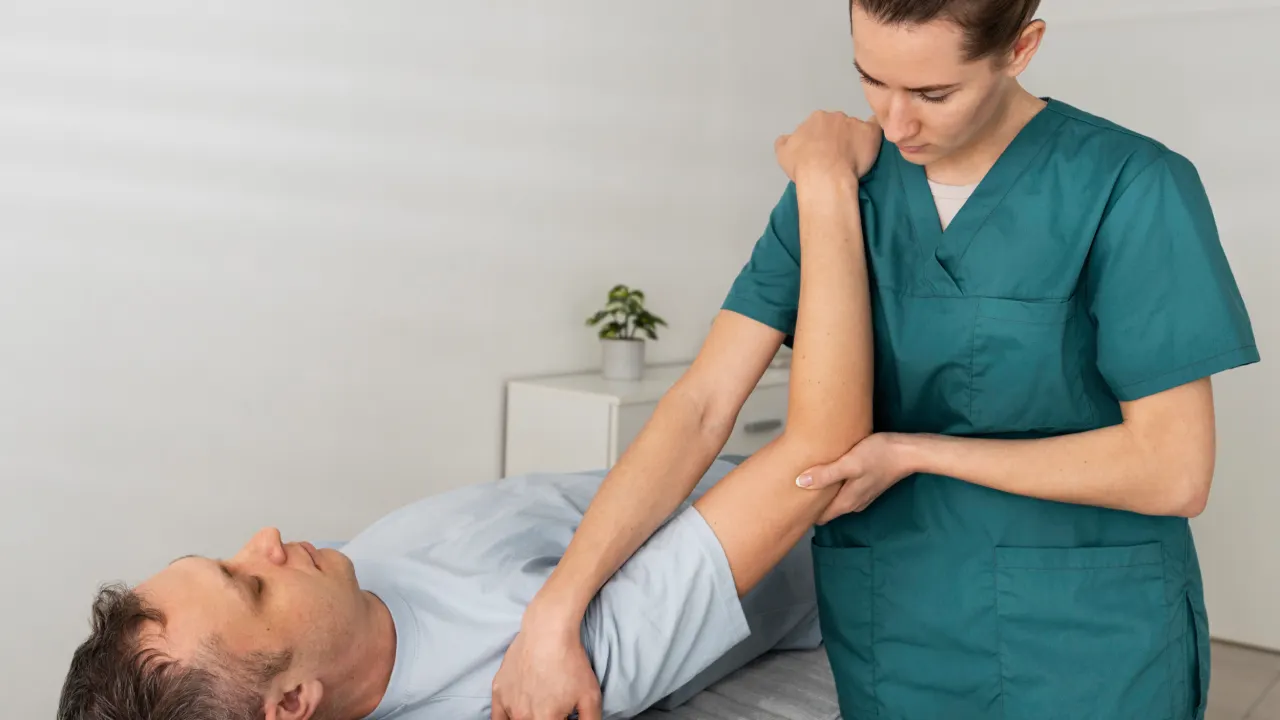
8 Ways Physiotherapy Can Help with Muscle Tension and Tightness
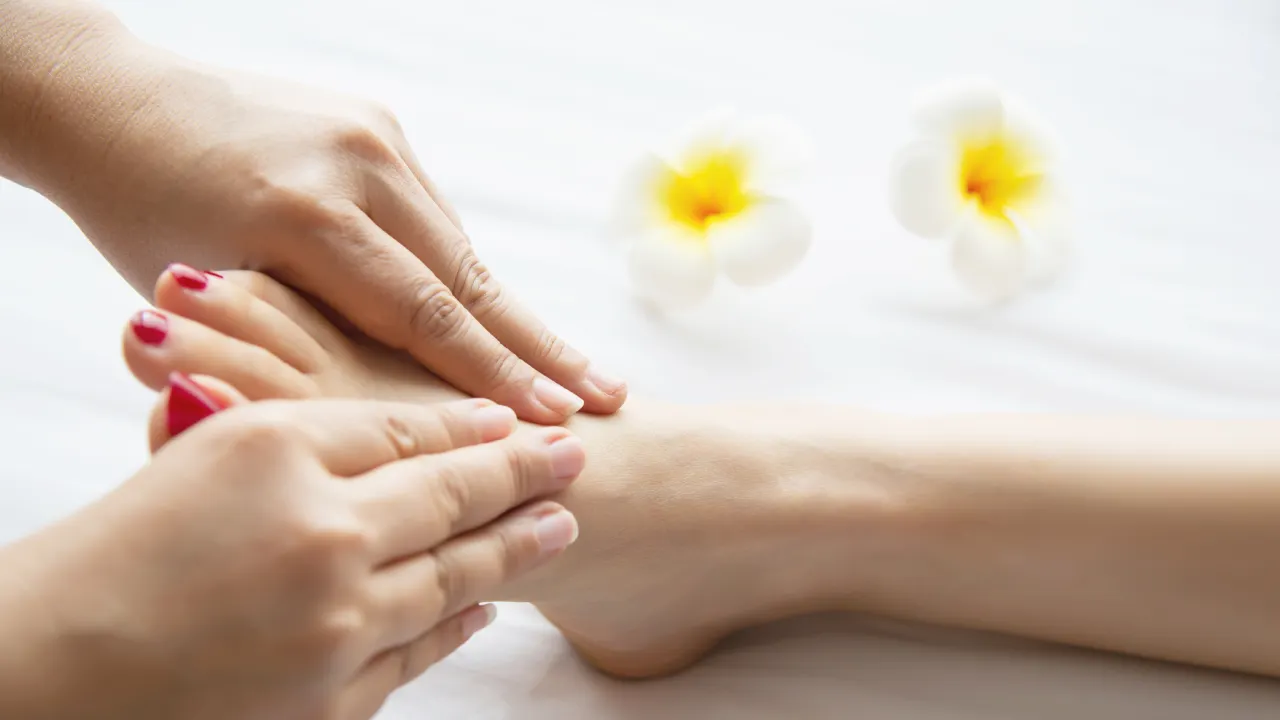
6 Reasons Massage Therapy Is Popular for Muscle and Body Care

7 Reasons to Consider Psychotherapy During Difficult Life Changes
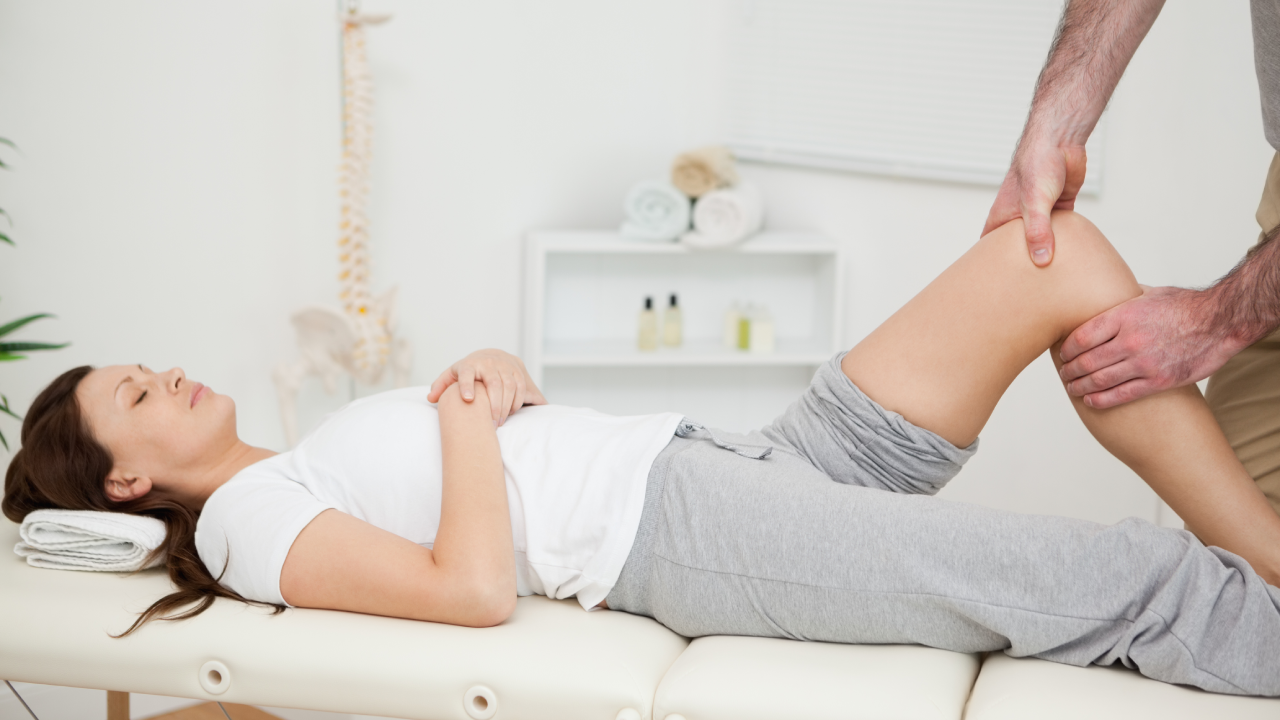
7 Urgent Reasons Pelvic Physiotherapy Matters During Pregnancy (What Many Expectant Mothers Notice Too Late)
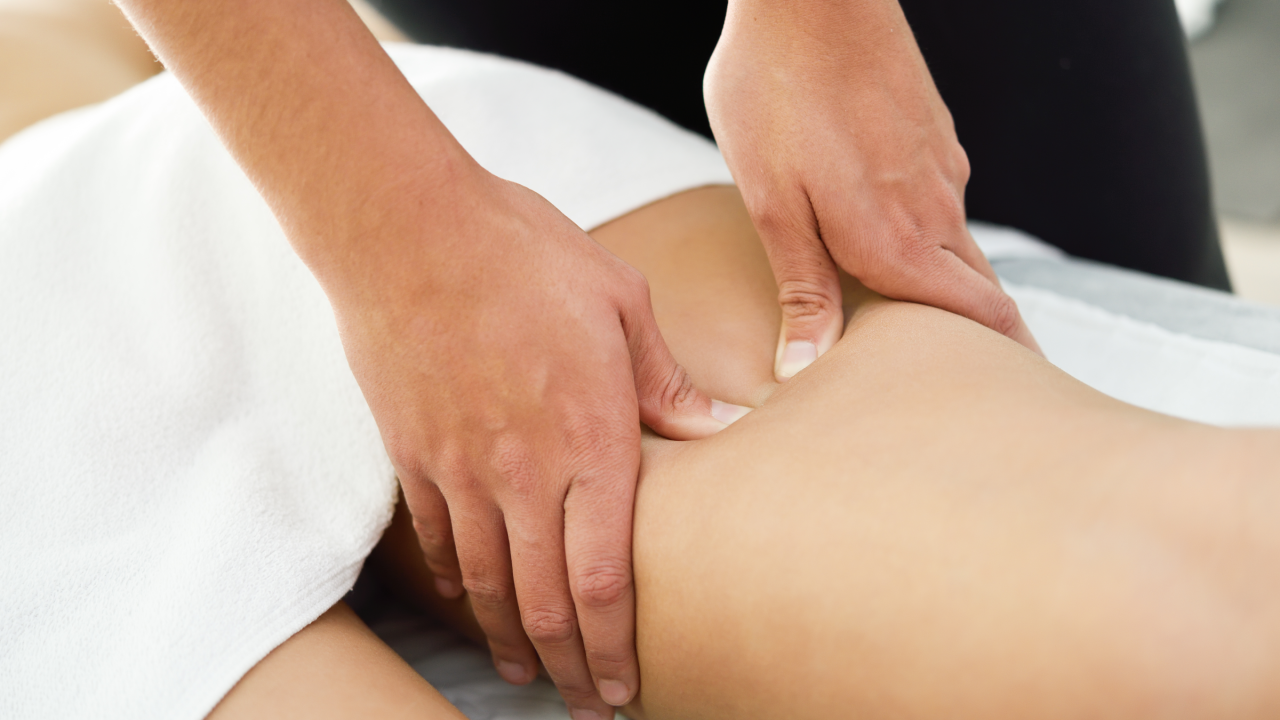
What Is Manual Lymphatic Drainage and What Are The Benefits Of Manual Lymphatic Drainage

Pelvic Girdle Pain In Pregnancy And How Pelvic Physio Can Help
Need Expert Physiotherapy Care?
Get personalized treatment plans from experienced
physiotherapists.