
How Physiotherapy Can Address Muscle Tension and Tightness
Muscle tension and tightness can make everyday movement feel restricted. A stiff neck after working at a desk, tight shoulders from prolonged screen use, or tense legs after physical activity may affect how comfortably you move throughout the day. While occasional muscle tightness can occur after activity or prolonged positioning, recurring tension may require attention to movement habits, muscle function, posture, and physical activity levels.
Physiotherapy can play an important role in assessing these concerns and developing a suitable plan based on the factors contributing to muscle tightness. At Reconnect Physiotherapy and Wellness in Newmarket, treatment may focus on movement, flexibility, strength, posture, and techniques that support comfortable physical activity.
What Causes Muscle Tension?
Muscle tension occurs when muscles remain contracted or become stiff instead of returning to a relaxed state. It can develop from several physical and lifestyle factors, and the cause may differ from one person to another.
Common causes of muscle tension include:
Poor posture: Sitting with the head forward, shoulders rounded, or lower back unsupported can place additional demand on certain muscles. Over time, this may contribute to tightness in the neck, shoulders, upper back, and lower back.
Prolonged sitting: Spending several hours at a desk, in a vehicle, or on a couch can reduce regular movement. Muscles may become stiff when a joint or body region stays in one position for extended periods.
Repetitive activities: Repeating the same movement during work, sports, household tasks, or exercise can place repeated demands on specific muscle groups.
Physical activity: Exercise and sports can temporarily increase muscle tension, particularly when activity levels change suddenly or when muscles are being used more than usual.
Muscle overuse: Repeatedly using a muscle without sufficient rest can contribute to stiffness and tightness.
Stress: Emotional stress can cause people to unconsciously tighten muscles, particularly around the neck, shoulders, jaw, and upper back.
Insufficient movement: Limited daily movement may reduce joint mobility and make certain muscles feel stiff.
Previous injuries: A past injury can change movement patterns. Other muscles may then work harder to compensate, contributing to areas of tension.
Identifying the factors behind tightness is an important part of deciding what type of care may be appropriate. Physiotherapy assessment can look at movement patterns, joint mobility, muscle strength, flexibility, posture, and activities that may contribute to recurring tension.
1. Identifying the Source of Muscle Tightness
Muscle tension can occur in different areas for various reasons. For example, neck tightness may be connected to prolonged computer use, while calf tightness may be related to physical activity or changes in walking patterns.
An assessment can help identify where movement is limited and which activities may be contributing to the problem. A physiotherapist may review posture, range of motion, muscle function, joint movement, and the way different body regions work together.
This assessment can provide useful information about the physical factors associated with tension. Instead of focusing only on the area that feels tight, treatment may also consider surrounding joints and muscles that influence movement.
For people in Newmarket, this type of assessment can be useful when muscle tightness keeps returning or begins to interfere with work, exercise, recreation, or daily activities.
2. Improving Joint Mobility
Restricted joint movement can sometimes contribute to muscle tightness. When a joint does not move through its available range comfortably, surrounding muscles may compensate by working harder.
Physiotherapy may include hands-on techniques and movement exercises intended to support joint mobility. The specific approach depends on the body area involved and the findings from an assessment.
Improving movement around a stiff joint may allow nearby muscles to work through a more natural range. For example, limited movement in the upper back may affect how the neck and shoulders move during daily activities.
Mobility exercises can also become part of a home routine. Regular movement may help people maintain the range of motion gained during their sessions and encourage more frequent movement throughout the day.
3. Supporting Muscle Flexibility
Tight muscles may have limited flexibility, particularly when a person spends long periods in one position or repeatedly performs the same activity.
Physiotherapy may incorporate stretching exercises that target muscles associated with restricted movement. These exercises can vary depending on the location of the tension, activity level, mobility, and physical goals.
For example, someone with tight hamstrings may receive stretching exercises that fit into their daily routine, while someone with shoulder tension may work on movements that target the chest, shoulders, and upper back.
Stretching should be performed with appropriate technique and intensity. Forcing a muscle into an uncomfortable position can create additional strain, so exercises should be selected according to individual movement capacity.
4. Addressing Posture and Movement Habits
Daily posture can have a significant influence on muscle workload. Sitting at a computer with the head positioned forward, holding a phone for extended periods, or standing unevenly may increase demand on particular muscles.
Physiotherapy can help identify movement habits that may contribute to recurring tightness. The focus may include workstation positioning, sitting habits, lifting techniques, sleeping positions, and movement patterns during exercise.
Small changes can make regular activities more comfortable. For example, changing position regularly during desk work and incorporating short movement breaks can reduce the amount of time spent in one posture.
Rather than trying to maintain one rigid posture throughout the day, many people can benefit from varying positions and moving regularly.
5. Building Muscle Strength
Muscle tightness is not always caused by a lack of flexibility. In some situations, muscles may become overworked because other muscles are not providing enough support.
Physiotherapy may include strengthening exercises for areas that contribute to posture, stability, and movement. Strength exercises can target the core, hips, shoulders, back, legs, or other regions depending on the person’s needs.
Improving strength may help distribute physical demands across different muscle groups. For someone who spends much of the day sitting, exercises for the upper back and core may support more balanced movement. For an active person, strengthening specific muscle groups may support their sports or exercise routine.
Exercises can be progressed gradually as strength and movement capacity change.
6. Using Hands-On Techniques
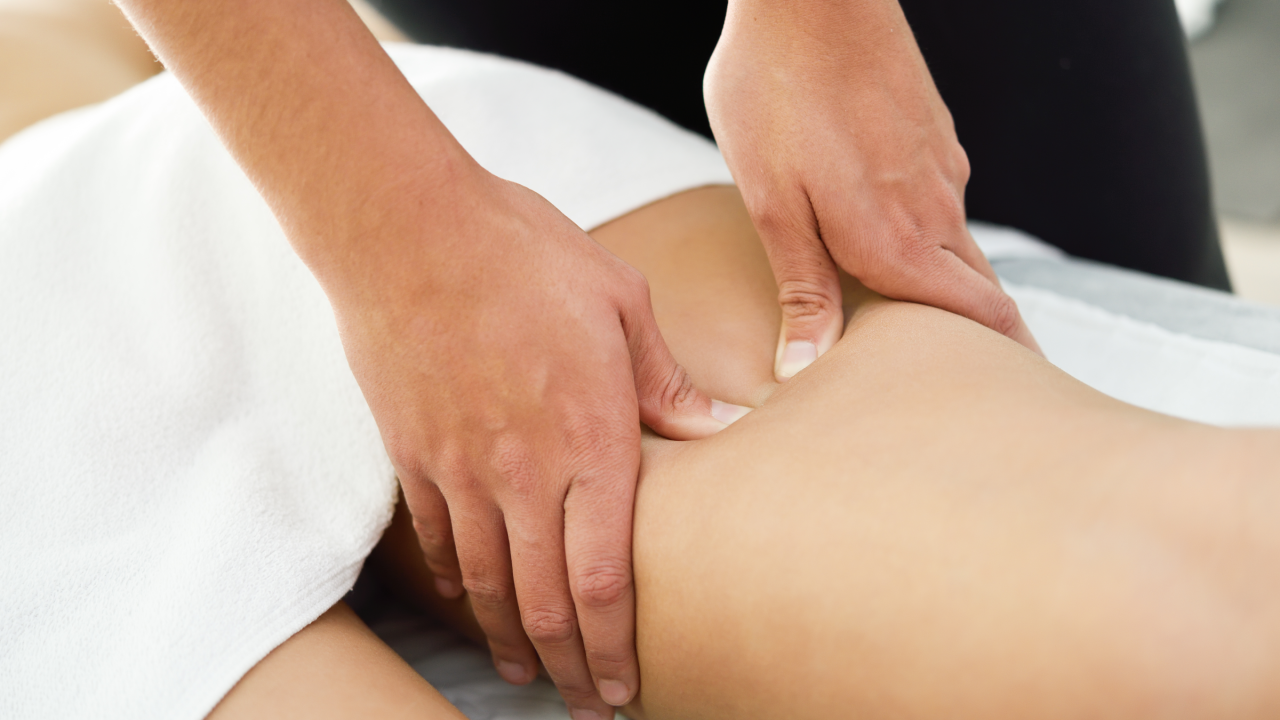
Hands-on treatment may be used as part of a physiotherapy session for certain cases of muscle tightness. Techniques can include soft tissue work, joint mobilization, or other manual approaches selected according to the assessment.
These methods may be used alongside active exercises rather than as the only part of care. The purpose can include supporting movement, reducing muscle stiffness, and helping the person participate more comfortably in exercises.
The approach used during treatment depends on factors such as the affected body region, movement limitations, activity level, and overall physical condition.
At Reconnect Physiotherapy and Wellness in Newmarket, hands-on care may be combined with movement-based strategies to address the factors associated with recurring muscle tension.
7. Creating a Practical Exercise Routine
Regular physical activity plays an important role in maintaining mobility. However, people with recurring muscle tightness may be unsure about which exercises are appropriate or how much activity they should perform.
Physiotherapy can include exercises that focus on flexibility, mobility, strength, balance, and movement control. A routine may start with simple movements and progress as the person becomes more comfortable.
For someone with neck and shoulder tightness, a routine might include gentle neck movements, shoulder mobility exercises, upper-back movements, and strengthening activities. For lower-body tightness, exercises may focus on the hips, legs, ankles, and lower back.
Consistency is important. A short movement routine performed regularly may be easier to maintain than an intensive routine performed only occasionally.
8. Helping Prevent Recurring Muscle Tightness
Once muscle tension improves, maintaining healthy movement habits can help reduce the chance of recurring stiffness.
Physiotherapy may include education about posture, exercise technique, activity progression, movement breaks, and ways to manage physical demands. The focus is not simply on the area that feels tight but also on the habits and movement patterns that may contribute to repeated tension.
People who work at desks can incorporate regular standing and walking breaks. Athletes can pay attention to warm-up routines, training progression, recovery days, and exercise technique. Individuals who spend long periods driving may benefit from changing positions and taking movement breaks during longer journeys.
Recognizing early signs of stiffness can also encourage timely action before tightness begins to interfere with everyday activities.
When Should You Seek Care for Muscle Tightness?
Occasional muscle stiffness may occur after exercise, travel, prolonged sitting, or an unusual physical activity. However, recurring or persistent tightness may warrant an assessment, particularly when it affects normal movement.
Consider speaking with a qualified healthcare professional if muscle tightness:
- Continues to return despite changes in activity
- Limits normal joint movement
- Interferes with work or exercise
- Makes everyday tasks difficult
- Occurs after an injury
- Is accompanied by weakness, numbness, or unusual sensations
- Continues to increase over time
Sudden or severe symptoms, significant weakness, major swelling, or symptoms following a serious injury may require prompt medical assessment.
Simple Ways to Manage Muscle Tension at Home
Several everyday habits can support healthy movement alongside professional care.
Take regular movement breaks
If you sit for long periods, stand up and move around regularly. Gentle movement can prevent the body from remaining in one position for too long.
Stay physically active.
Walking, swimming, cycling, strength training, and other suitable activities can help maintain general mobility. Activity should be increased gradually when returning after a period of inactivity.
Pay attention to workstation setup.
Keep frequently used items within comfortable reach and position your screen so that you do not need to repeatedly bend or rotate your neck.
Stretch gently.
Gentle stretching can be included in a daily routine when appropriate. Avoid forcing a joint or muscle into a painful position.
Change positions.
Instead of remaining seated or standing in one position for several hours, vary your position throughout the day.
Maintain adequate hydration and nutrition
Regular fluid intake and a balanced diet support normal physical function. If recurring muscle symptoms are accompanied by other concerns, speak with a healthcare professional.
How Reconnect Physiotherapy and Wellness Can Help in Newmarket
Recurring muscle tension can affect the way you work, exercise, sleep, and move through everyday activities. At Reconnect Physiotherapy and Wellness in Newmarket, care can focus on identifying movement restrictions, assessing contributing factors, and building an exercise-based plan that fits your daily routine.
Physiotherapy may be appropriate for people dealing with tight muscles in the neck, shoulders, back, hips, legs, or other areas. Treatment may involve mobility exercises, strengthening, stretching, posture-related strategies, and hands-on techniques where appropriate.
The goal is to help you understand the factors connected with your muscle tension and support healthier movement habits.
Frequently Asked Questions
1. What is the difference between muscle tension and muscle tightness?
Muscle tension generally refers to a state in which muscles remain contracted or become stiff. Muscle tightness often describes the sensation of restricted movement or a shortened feeling within a muscle. The two terms are frequently used together because they can occur at the same time.
2. Can sitting at a desk cause muscle tension?
Yes. Long periods of sitting can contribute to stiffness, particularly when a person remains in one position for extended periods. Forward head positioning, rounded shoulders, and limited movement can increase the workload on certain muscles.
3. How can stretching help tight muscles?
Stretching can help maintain or improve flexibility when performed appropriately. The type, duration, and frequency of stretching depend on the muscle group and the person’s physical condition. Stretching should not be forced into a painful range.
4. How long does muscle tightness usually last?
The duration varies according to the cause. Tightness after unfamiliar physical activity may settle as the body adapts, while tension connected with posture, repetitive activity, or an underlying movement issue may continue until contributing factors are addressed.
5. When should I see a physiotherapist for muscle tension?
Consider an assessment if tightness continues, repeatedly returns, limits movement, or interferes with daily activities or exercise. Symptoms such as numbness, weakness, significant swelling, or severe discomfort may require medical assessment.
Take the Next Step
Persistent muscle tightness can make ordinary activities more difficult and may affect how you move throughout the day. Identifying contributing factors and addressing mobility, strength, posture, and movement habits can be an important part of managing recurring tension.
If muscle tightness is affecting your daily routine, contact Reconnect Physiotherapy and Wellness in Newmarket to discuss your concerns and arrange an assessment. A physiotherapist can evaluate your movement and help determine suitable next steps for your needs.
Phone: +1 647-622-7825
Address: 600 Bray Cir Unit 2, Newmarket, ON L3Y 3E4, Canada

6 Reasons Massage Therapy Is Popular for Muscle and Body Care

7 Reasons to Consider Psychotherapy During Difficult Life Changes

7 Physiotherapy Tips for Reducing Everyday Joint Stiffness

7 Urgent Reasons Pelvic Physiotherapy Matters During Pregnancy (What Many Expectant Mothers Notice Too Late)
What Is Manual Lymphatic Drainage and What Are The Benefits Of Manual Lymphatic Drainage

Pelvic Girdle Pain In Pregnancy And How Pelvic Physio Can Help
Need Expert Physiotherapy Care?
Get personalized treatment plans from experienced
physiotherapists.