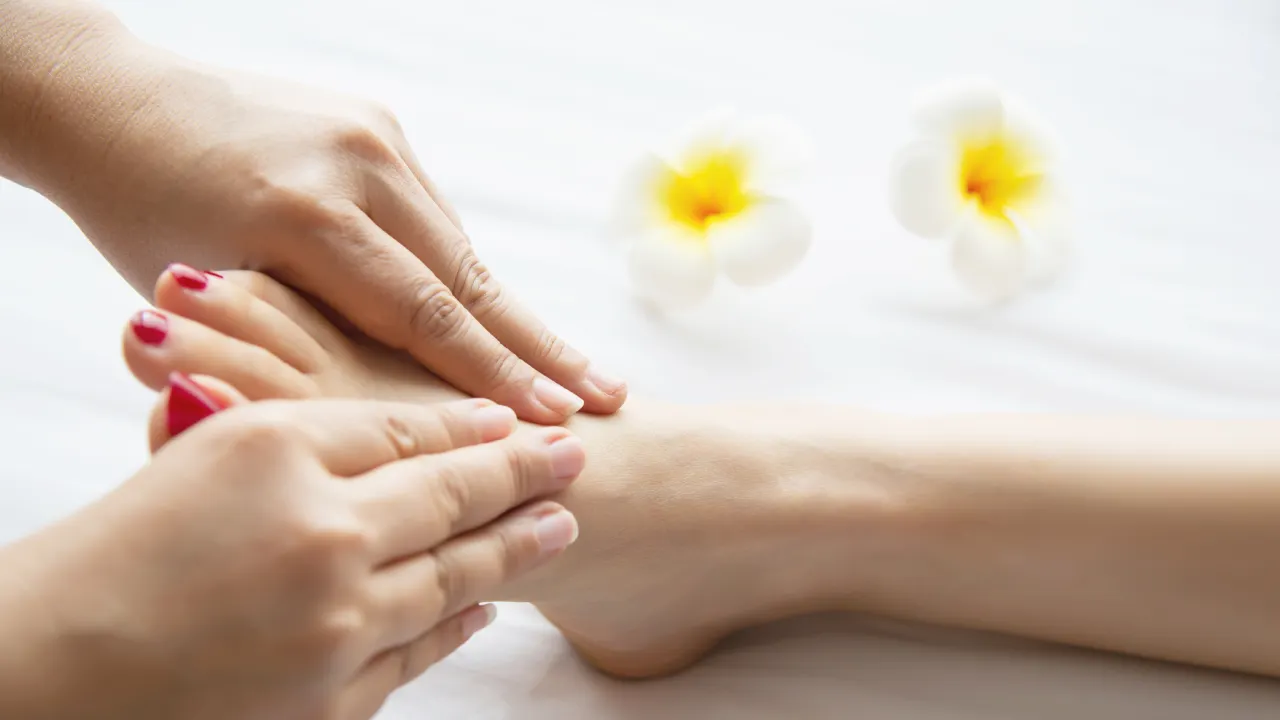
Supporting Muscle Health Through Everyday Wellness
Modern routines can place considerable demands on the body. Sitting for several hours at work, standing throughout the day, exercising, commuting, lifting objects, and completing household activities can all contribute to muscle tension and stiffness. When these issues become part of everyday life, many people look for ways to support comfortable movement and maintain their physical well-being.
Massage therapy has become a familiar option for people who want to include hands-on care in their wellness routines. It may be used alongside physiotherapy, exercise, stretching, and other healthy habits to address areas of muscle tension and support everyday mobility.
For residents of Newmarket, ON, Reconnect Physiotherapy and Wellness provides massage care as part of a broader approach to physical wellness. Here are six reasons this type of care remains popular for muscle and body care.
1. Massage Therapy Can Help Address Muscle Tension
Muscle tension can develop for many reasons. Long periods of sitting, repetitive tasks, demanding workouts, poor posture, and physically active jobs can all place repeated stress on muscles. Tightness may make certain movements feel uncomfortable or restricted.
Massage therapy involves hands-on techniques that work with soft tissues, such as muscles and connective tissue. Depending on the person’s needs and the areas being addressed, treatment may focus on muscles that feel tight or overworked.
For people who spend much of their day at a desk, targeted hands-on care may be incorporated into a wellness routine alongside movement breaks and stretching. Similarly, active individuals may include massage as part of their regular body-care habits.
2. It Can Support Comfortable Movement
Mobility plays an important role in everyday activities. Walking, bending, reaching, climbing stairs, exercising, and getting in and out of a vehicle all require coordinated movement between different parts of the body.
When muscles become tense, a person may notice that certain movements feel less comfortable. Massage therapy can be incorporated into a wider plan focused on maintaining muscle flexibility and comfortable movement.
Hands-on care may be combined with mobility exercises, strengthening activities, and advice about movement habits. This combination can help people pay closer attention to how their bodies respond to work, exercise, and daily routines.
The goal is not simply to focus on one muscle or body area. It can also be about supporting movement patterns that make everyday activities easier to manage.
3. Massage Therapy Fits Different Lifestyles
One reason people choose massage care is its flexibility. Different individuals have different schedules, activity levels, and physical demands.
An office worker may seek care after spending long periods sitting. A recreational athlete may include massage in a fitness routine. Someone with a physically demanding occupation may focus on areas that receive repeated daily strain.
Massage therapy can also be included as part of a broader wellness schedule rather than being used only when muscle tension becomes noticeable.
At Reconnect Physiotherapy and Wellness in Newmarket, ON, massage care can be considered alongside other services when appropriate. This can make it easier for individuals to address their physical needs within a coordinated wellness setting.
4. It May Support Recovery After Physical Activity
Exercise places normal demands on muscles and other soft tissues. Strength training, running, cycling, recreational sports, and other activities can leave muscles feeling tired or tight.
Rest, hydration, adequate nutrition, gradual progression, and appropriate exercise planning remain important parts of physical activity. Hands-on care may also have a place within a broader recovery routine.
Massage therapy may be used to work on areas of muscular tightness following physical activity. The techniques and pressure used can vary according to the person’s needs, activity level, and treatment goals.
It is important to remember that massage does not replace assessment when someone has a significant injury or persistent symptoms. In those situations, an appropriate healthcare assessment can help determine what type of care may be suitable.
5. It Can Complement Other Wellness Habits
Massage is rarely the only factor involved in maintaining physical well-being. Daily movement, strength training, stretching, sleep, hydration, posture, and healthy work habits can all contribute to how the body feels and moves.
Massage therapy can fit alongside these habits as one component of a broader routine.
For example, someone who spends eight hours at a desk may combine massage care with regular walking breaks, ergonomic adjustments, shoulder mobility exercises, and strengthening work. Someone who exercises regularly may combine hands-on care with a structured warm-up, cool-down, recovery days, and appropriate training progression.
This combination places greater emphasis on daily habits rather than relying on one type of care alone.
6. Massage Therapy Can Be Part of a Regular Wellness Routine
Some people associate massage only with occasional appointments. However, it can also become part of a planned approach to body care.
Regular appointments may allow individuals to pay attention to areas that frequently become tense or overworked. Scheduling may depend on activity levels, work demands, personal preferences, and recommendations from a qualified practitioner.
The appropriate frequency can vary considerably from one person to another. There is no universal schedule that suits everyone.
For residents in Newmarket, ON, Reconnect Physiotherapy and Wellness can help individuals consider how massage fits into their broader physical wellness routine.
What Makes Massage Therapy a Popular Choice for Wellness?
Massage therapy is popular partly because it provides hands-on care that can be incorporated into many different lifestyles. People may seek it for muscle tension, general body care, mobility support, or as part of a broader physical wellness routine.
Another factor is convenience. Individuals often have different physical demands throughout the week, and hands-on care can be included alongside exercise, stretching, physiotherapy, and healthy movement habits.
It also gives people an opportunity to pay attention to areas of the body that may become tense because of work, recreation, or repetitive activities.
For someone working at a computer, for example, the neck, shoulders, upper back, forearms, and hands may receive repeated daily demands. For an active person, the legs, hips, back, or shoulders may receive more attention depending on the activities they perform.
Massage should still be viewed within the context of overall health. Persistent, severe, or unexplained symptoms may require assessment by an appropriate healthcare professional before hands-on care is considered.
7 Practical Tips for Getting More from Massage Therapy Sessions
1. Share Relevant Information Before Your Session
Let your practitioner know about areas of muscle tension, recent physical activity, work demands, and movements that feel uncomfortable. Clear information can help the practitioner determine which areas may require attention.
2. Communicate During the Appointment
Everyone responds differently to pressure and hands-on techniques. If pressure feels too strong, too light, or uncomfortable, communicate this during the appointment. Open communication helps create a more comfortable session.
3. Stay Hydrated
Drinking enough water throughout the day supports normal body function. Maintaining regular hydration can be a useful part of your general wellness routine before and after an appointment.
4. Avoid Rushing into Demanding Activity
If your muscles have received hands-on treatment, consider allowing some time before returning to strenuous activity. Your practitioner can discuss appropriate activity levels based on your situation.
5. Pay Attention to Your Body
Notice how your muscles and movement feel after your appointment. Changes in tension, mobility, or comfort can provide useful information for future sessions and daily activity planning.
6. Combine Massage with Healthy Movement
Walking, mobility exercises, stretching, strengthening, and regular movement can complement hands-on care. Avoid relying on massage alone for overall physical wellness.
7. Keep Your Appointments Consistent When Appropriate
If massage forms part of your regular wellness routine, maintaining a consistent schedule may help you stay attentive to areas that commonly become tense. Your appointment frequency should reflect your individual needs, schedule, and practitioner recommendations.
5 Frequently Asked Questions About Massage Therapy
1. What is massage therapy?
Massage therapy is a hands-on form of care that involves techniques applied to soft tissues, including muscles and connective tissues. It may be used to address muscle tension, support mobility, and complement a broader wellness routine.
2. Who may consider massage care?
Adults with physically demanding jobs, desk-based routines, active lifestyles, or recurring muscle tightness may consider massage as part of their body-care routine. A practitioner can discuss whether it is appropriate based on an individual’s circumstances.
3. How often should I schedule a massage?
There is no single schedule for everyone. Frequency may depend on activity levels, work demands, areas of muscle tension, personal goals, and practitioner recommendations.
4. Can massage be combined with physiotherapy?
Yes. Massage may be incorporated alongside physiotherapy when appropriate. The two services can address different aspects of physical care, depending on the individual’s needs and treatment plan.
5. Should I seek an assessment for persistent symptoms?
Yes. Persistent, severe, unexplained, or worsening symptoms should be discussed with an appropriate healthcare professional. Massage may not be suitable for every condition, so an assessment can help determine an appropriate course of care.
Support Your Muscle and Body Care in Newmarket, ON
Taking care of your body involves more than addressing muscle tension when it appears. Regular movement, appropriate exercise, healthy daily habits, sufficient rest, and suitable hands-on care can all play a role in maintaining physical wellness.
If you are looking for massage care in Newmarket, ON, Reconnect Physiotherapy and Wellness can help you explore how hands-on treatment may fit into your overall wellness routine. Contact Reconnect Physiotherapy and Wellness to schedule an appointment and discuss your muscle and body-care needs.
Phone: +1 647-622-7825
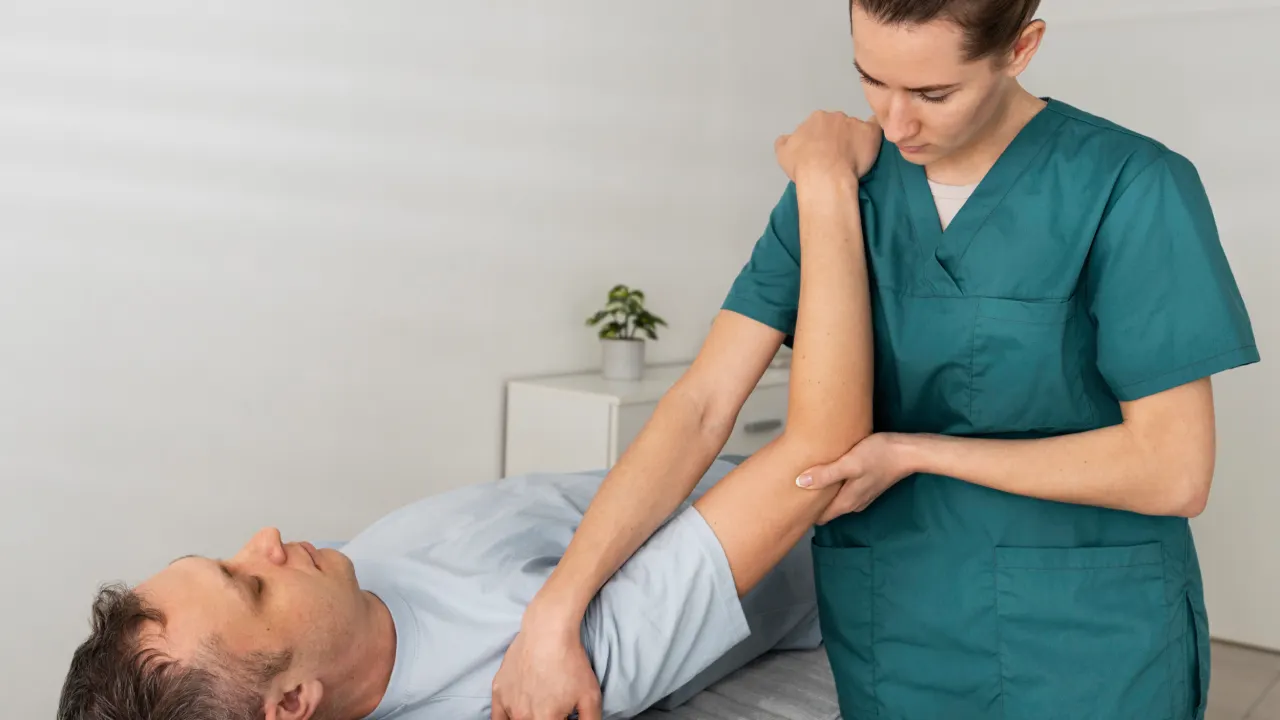
8 Ways Physiotherapy Can Help with Muscle Tension and Tightness

7 Reasons to Consider Psychotherapy During Difficult Life Changes

7 Physiotherapy Tips for Reducing Everyday Joint Stiffness
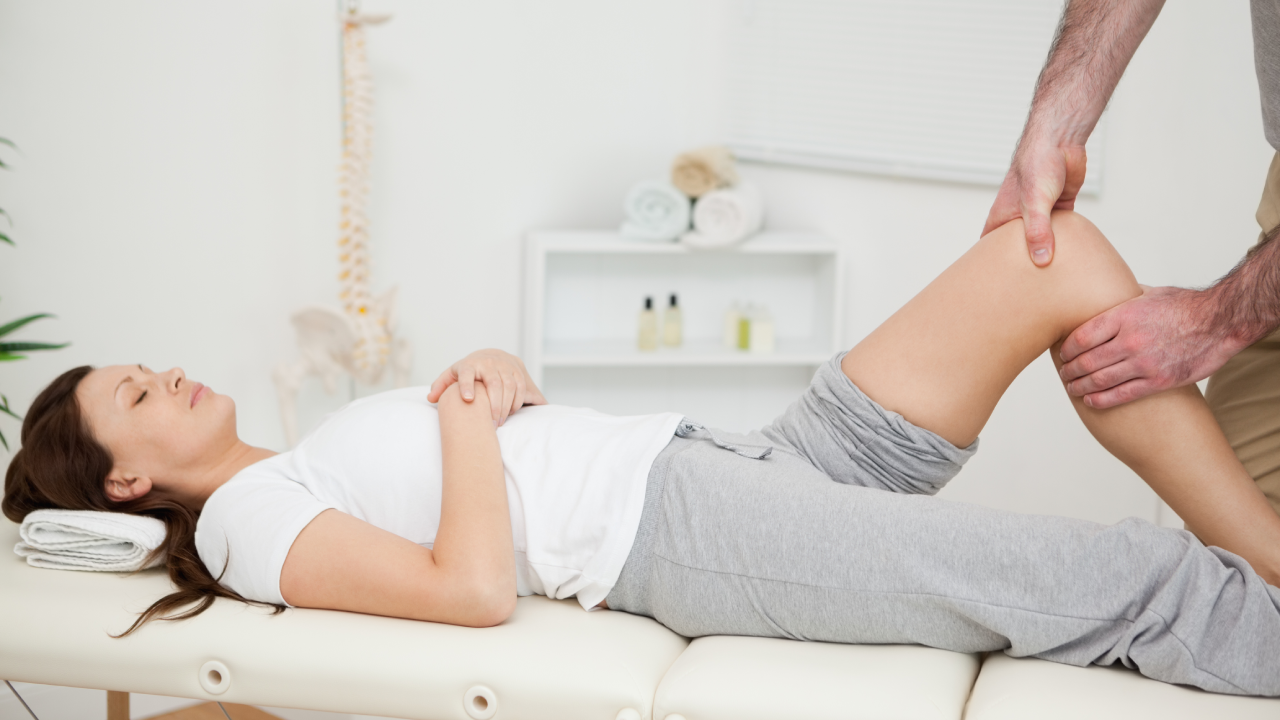
7 Urgent Reasons Pelvic Physiotherapy Matters During Pregnancy (What Many Expectant Mothers Notice Too Late)
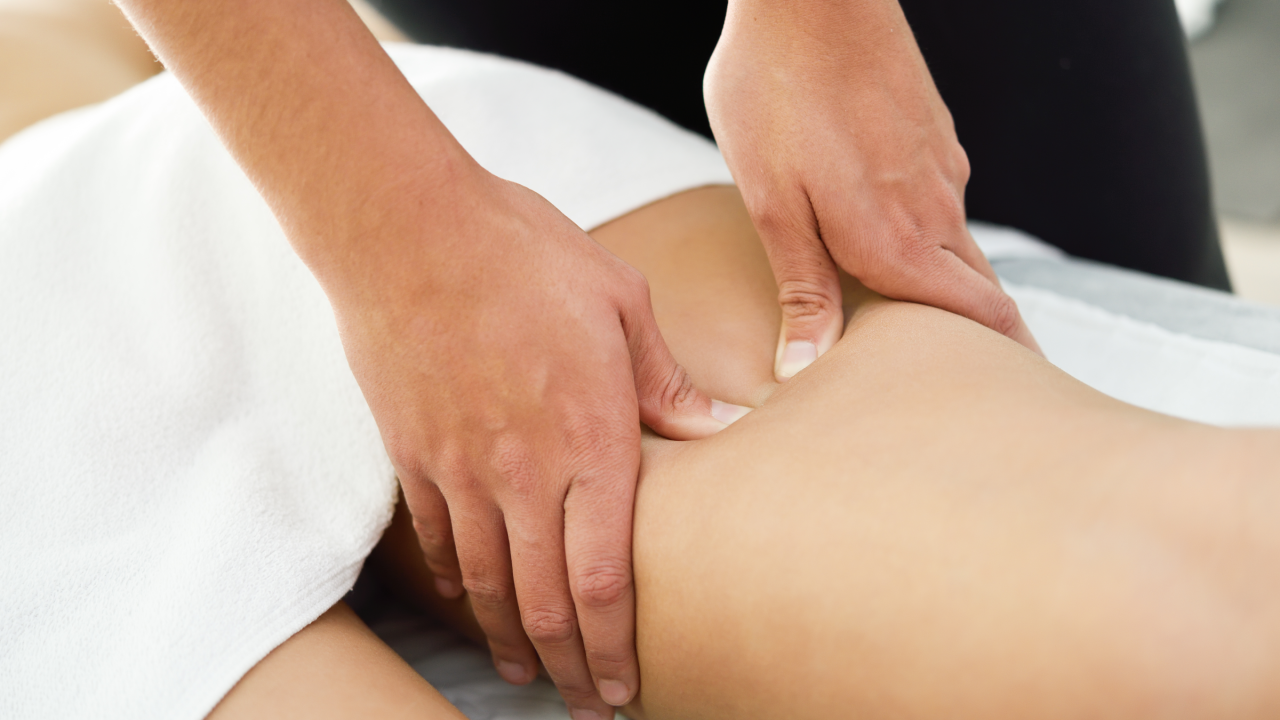
What Is Manual Lymphatic Drainage and What Are The Benefits Of Manual Lymphatic Drainage

Pelvic Girdle Pain In Pregnancy And How Pelvic Physio Can Help
Need Expert Physiotherapy Care?
Get personalized treatment plans from experienced
physiotherapists.