Head
Knee
Lower Limb
Hip & Low Back

General Hip Conditions

Pinched Nerve

Sciatica
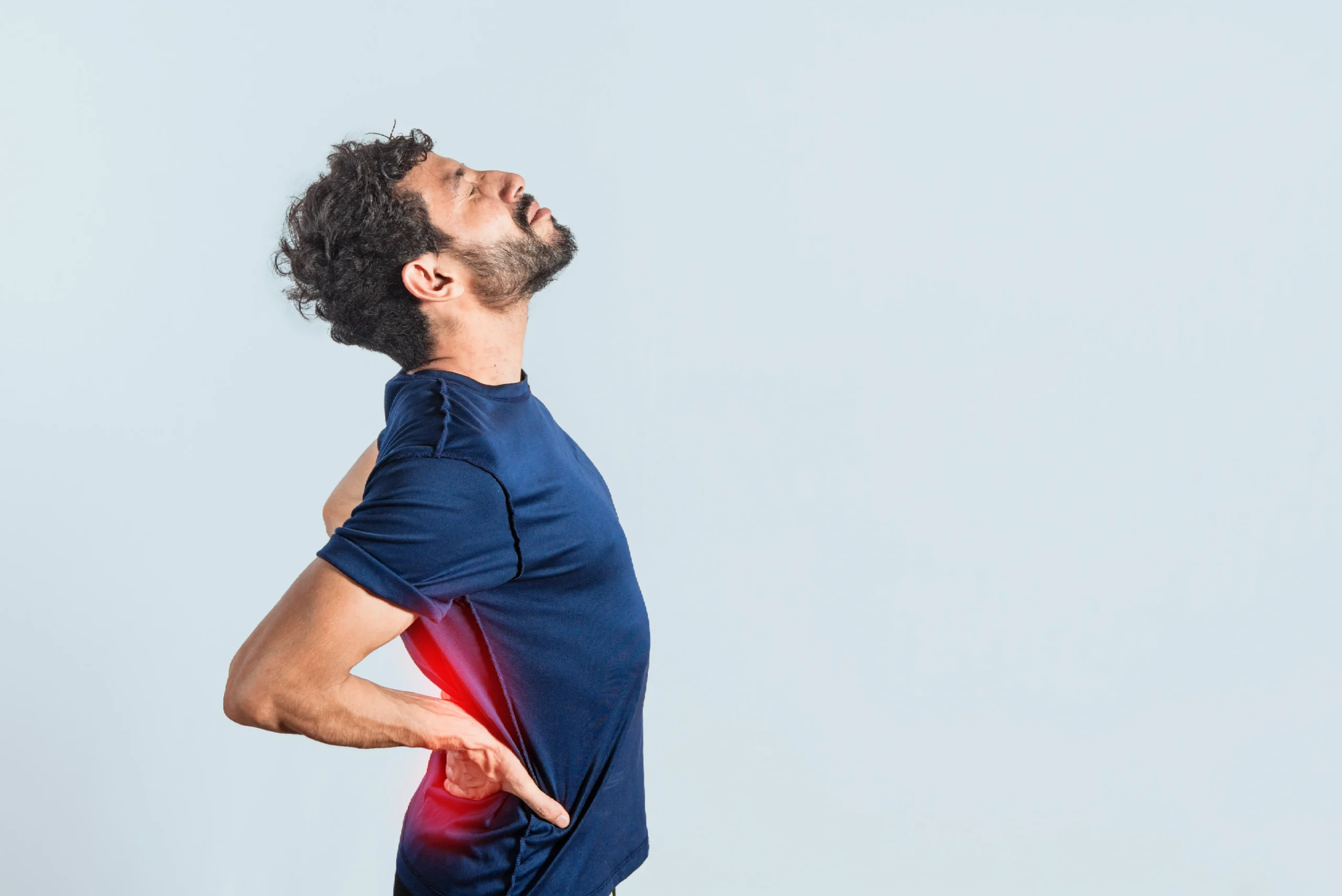
Low Back Pain
Legg-Calvé-Perthes Disease
Leg Length Discrepancy
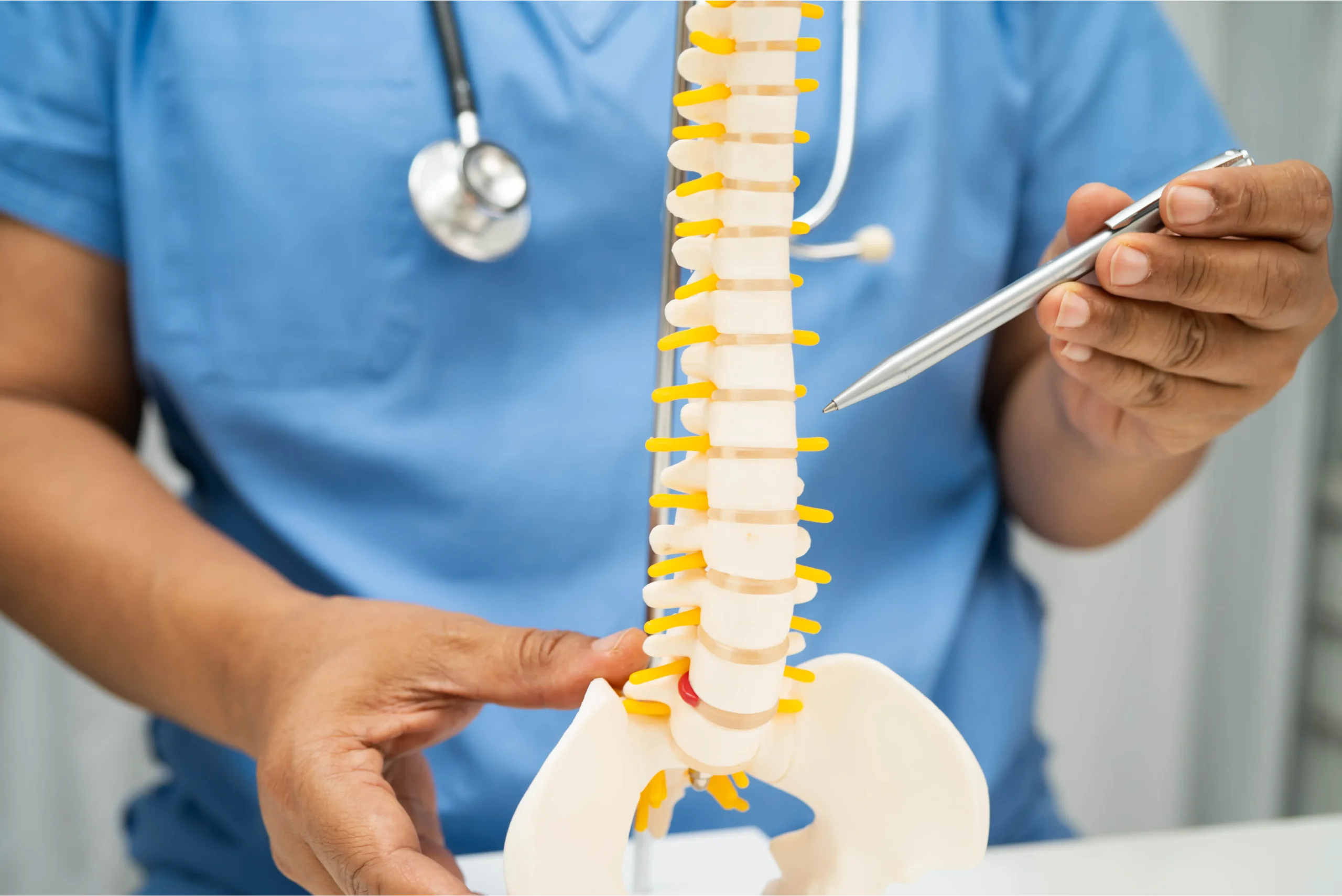
Herniated Disc
Foot and Ankle
Heel Pain
Hallux Valgus
Forefoot
Flat Feet
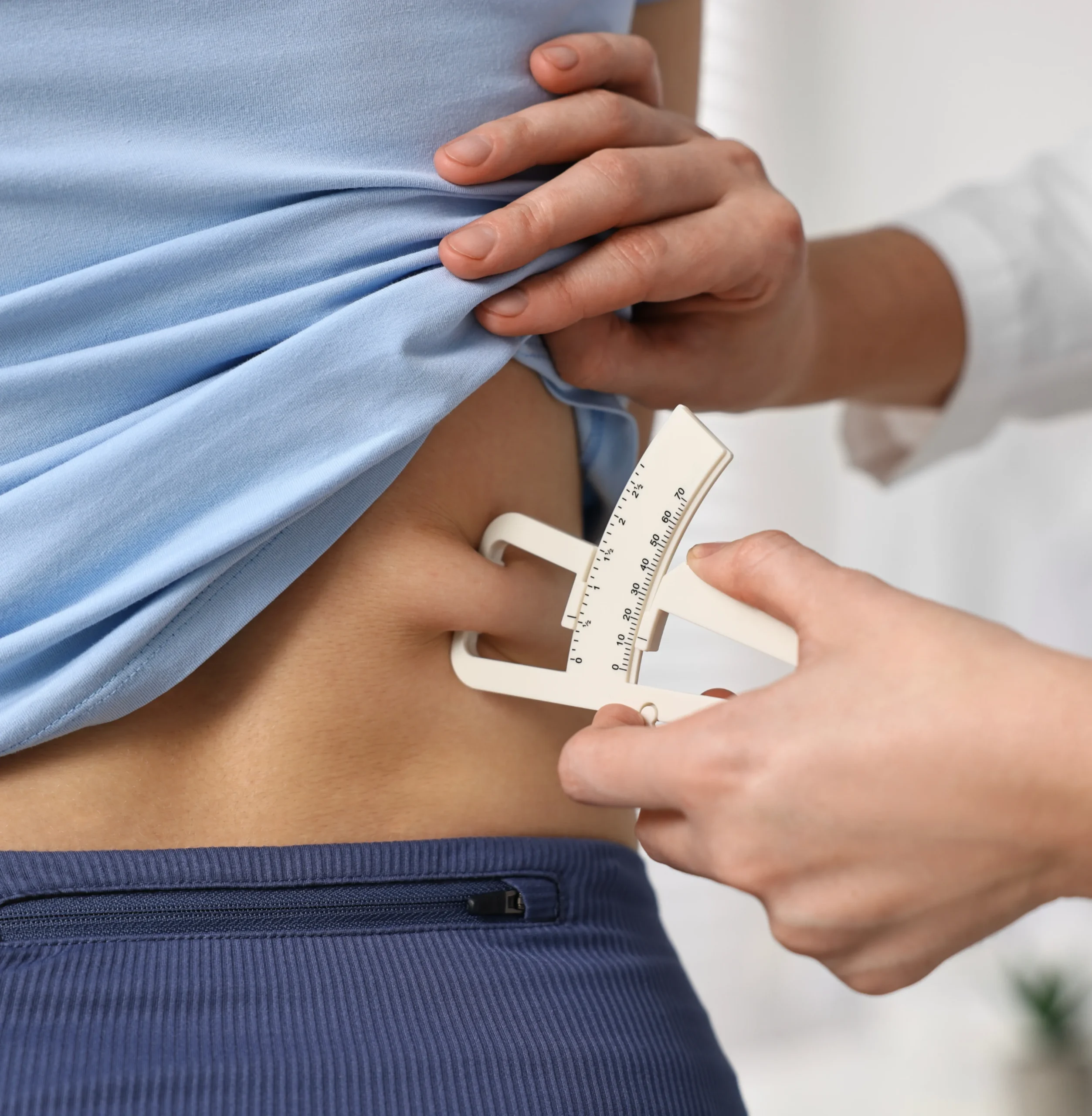
Fat Pad Atrophy
Diabetes
Capsulitis
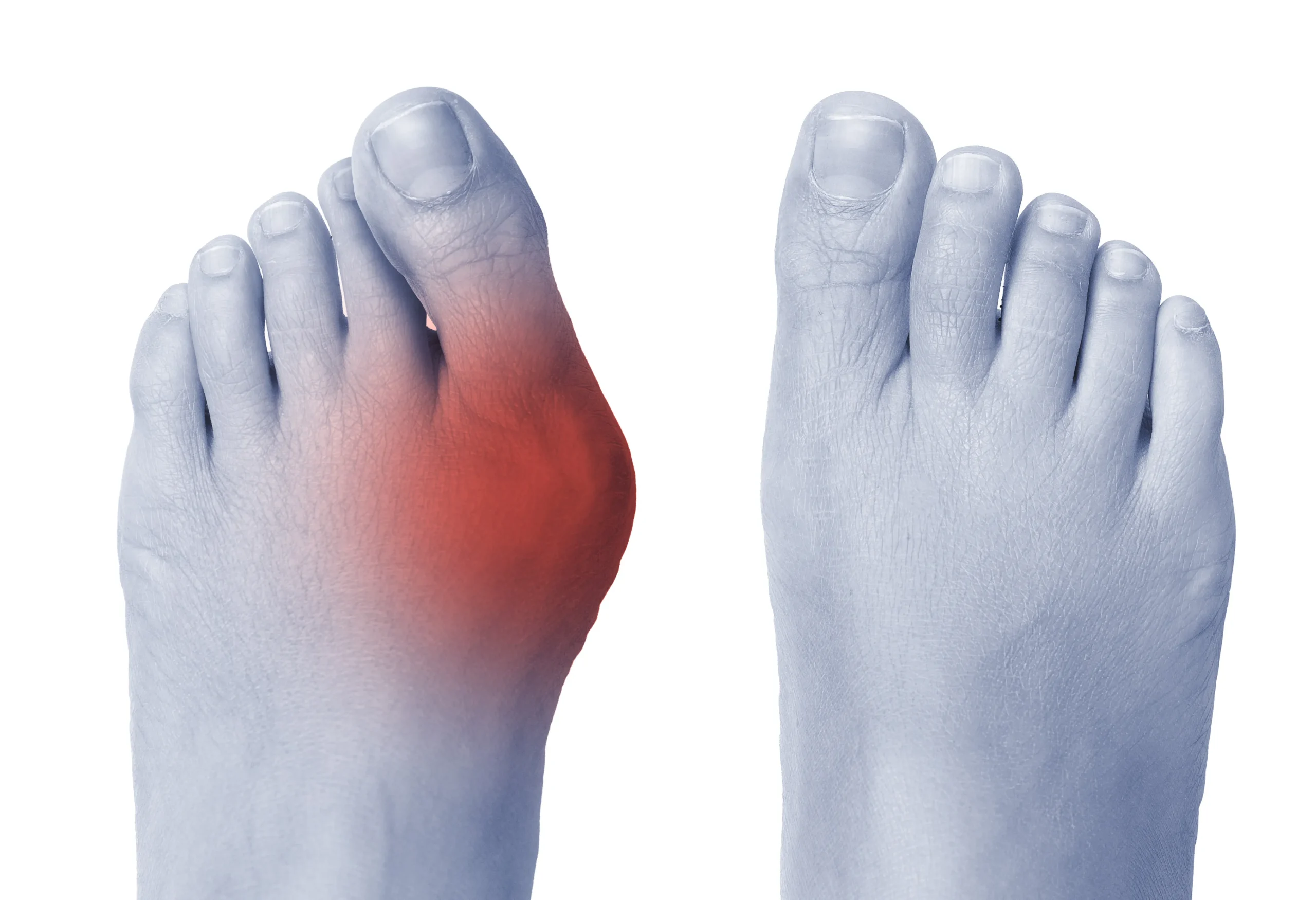
Bunions
Foot Fracture

Arch Pain
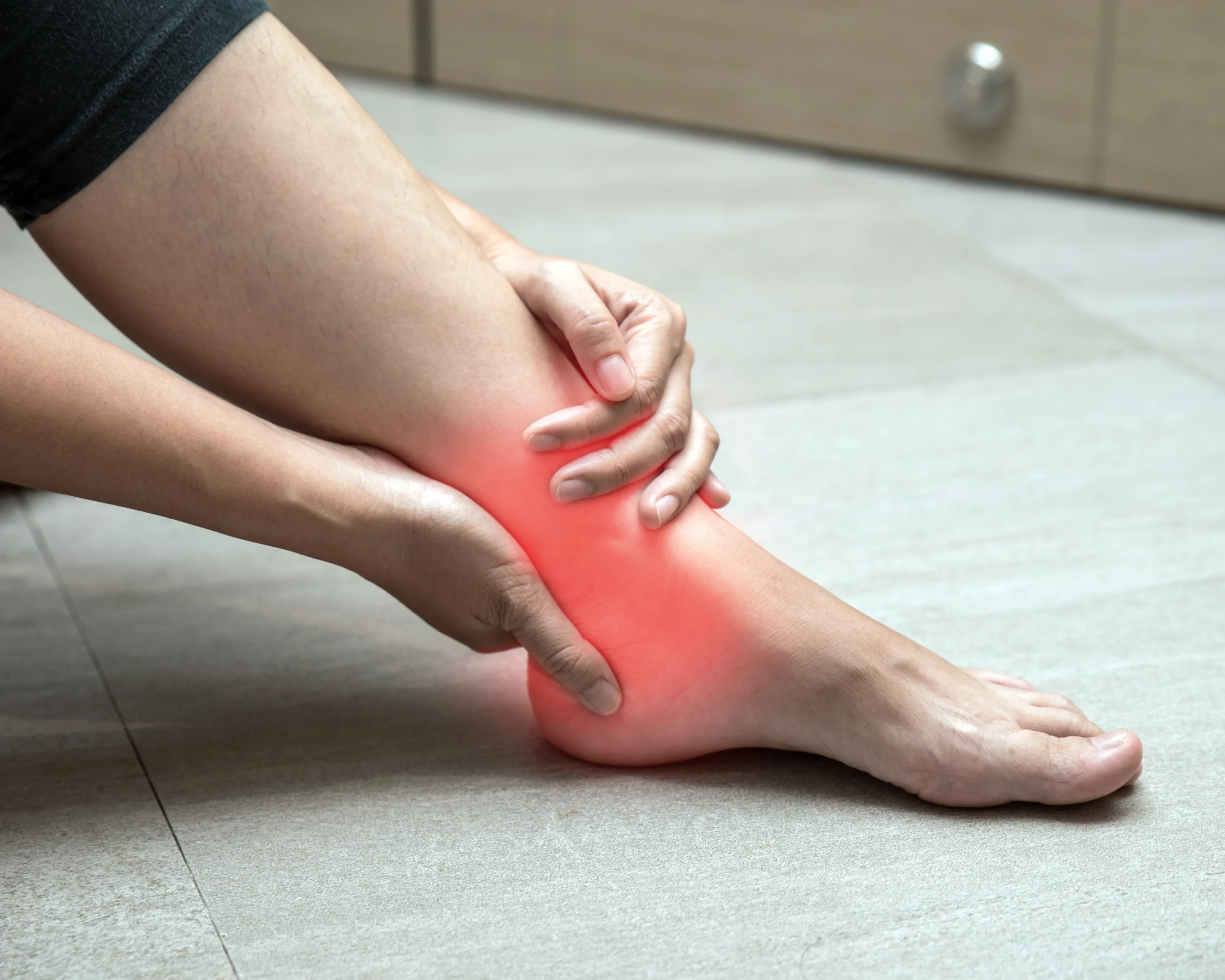
Anterior Ankle Impingement Syndrome

Ankle Injury
Upper Body

Rotator Cuff
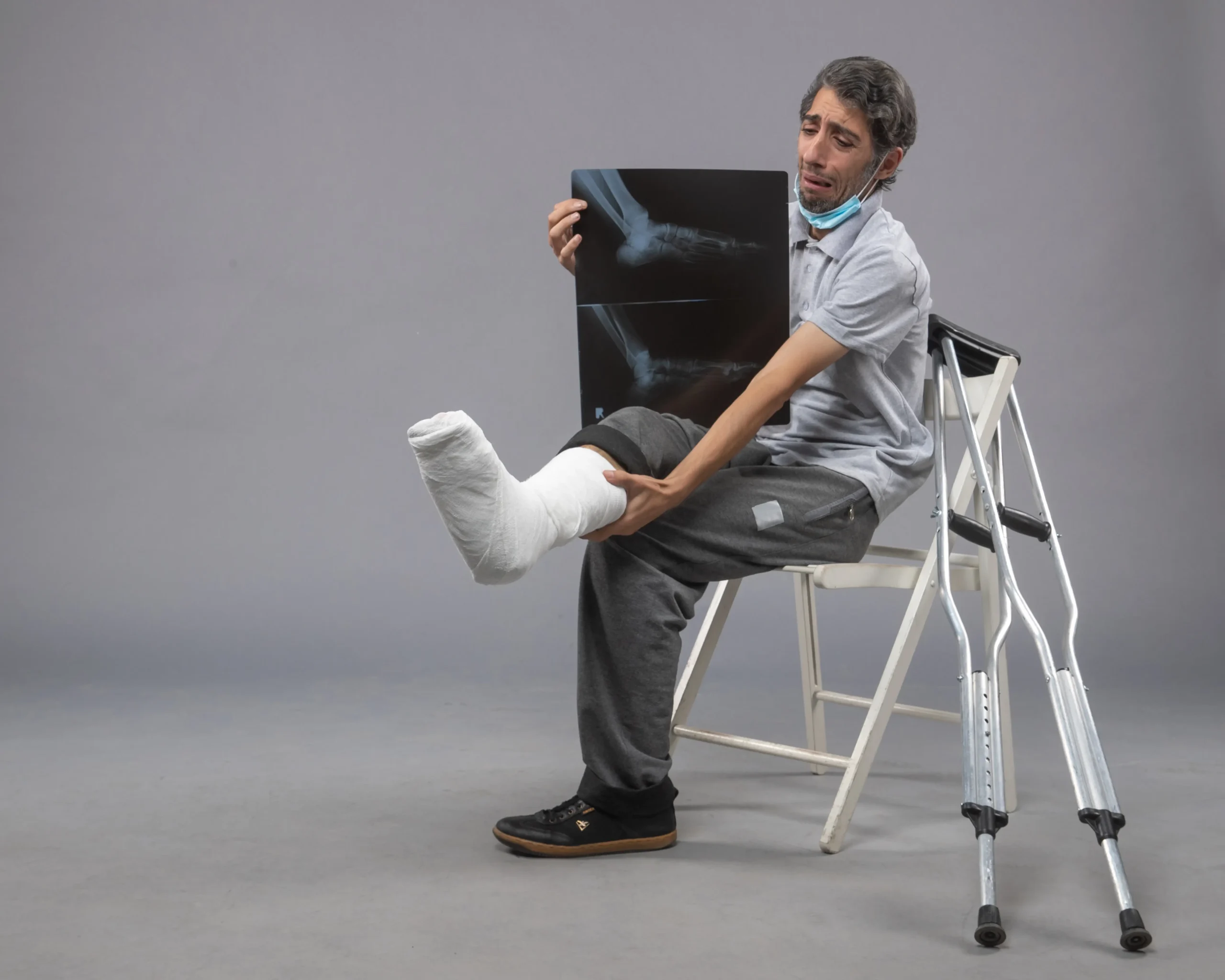
Fractures
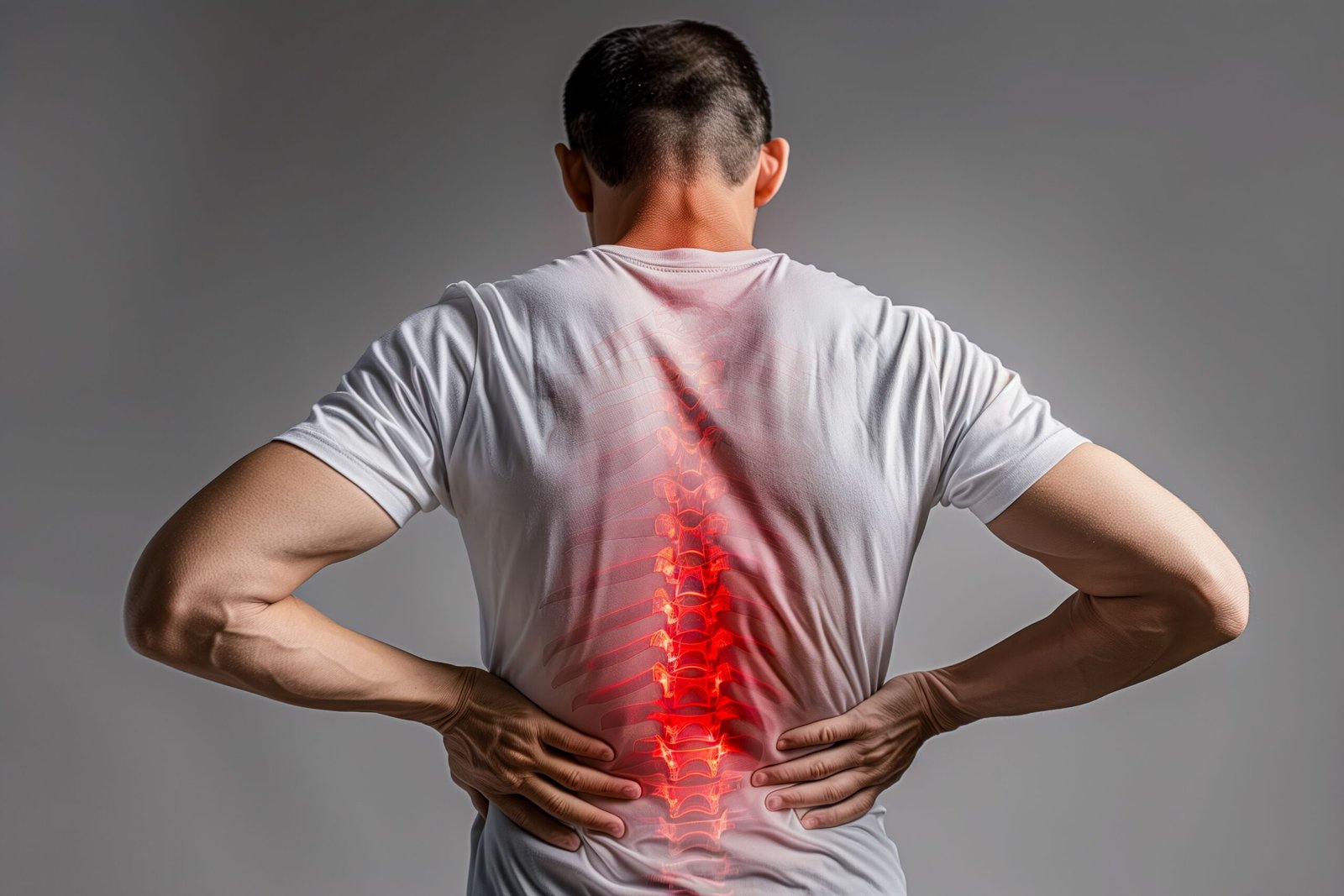
Chronic Back Pain
Need Expert Physiotherapy Care?
Get personalized treatment plans from experienced
physiotherapists.
Herniated Disc Treatment in Newmarket, ON
A herniated or bulging disc can affect your ability to work, exercise, sleep, and enjoy everyday activities. Depending on the location of the disc condition, symptoms may include neck pain, lower back discomfort, stiffness, reduced mobility, tingling, numbness, or pain that travels into the arms or legs.
At Reconnect Physiotherapy and Wellness, we provide individualized physiotherapy to help people manage spinal discomfort, improve movement, and work toward their functional goals. Our approach to Herniated Disc Treatment in Newmarket focuses on understanding your symptoms, identifying movement limitations, and developing a rehabilitation plan suited to your needs.
Whether your symptoms developed gradually or followed an injury, heavy lifting, repetitive movements, or prolonged sitting, physiotherapy may help you regain confidence in movement and return to daily activities.
What Is a Herniated or Bulging Disc?
Intervertebral discs are cushion-like structures positioned between the bones of your spine. They absorb forces during movement and help the neck and back bend, twist, and remain flexible.
A bulging disc occurs when the disc extends beyond its usual boundary. A herniated disc develops when material from the disc’s inner portion pushes through a weakened area of its outer layer. Both conditions can sometimes irritate nearby spinal nerves, although not every disc abnormality causes symptoms.
Cervical Disc Bulge or Herniation
A cervical disc condition affects the neck and may contribute to:
- Neck pain, stiffness, or reduced mobility.
- Discomfort extending into the shoulders, arms, or hands.
- Tingling or numbness in the upper limbs.
- Weakness affecting the shoulder, wrist, or hand.
- Difficulty turning or bending the neck comfortably.
Lumbar Disc Bulge or Herniation
A lumbar disc condition affects the lower back and may cause:
- Lower back pain or stiffness.
- Pain extending into the buttocks, thighs, calves, or feet.
- Tingling or numbness in the legs or feet.
- Muscle weakness or reduced activity tolerance.
- Difficulty sitting, standing, bending, or walking for extended periods.
Symptoms vary depending on the affected disc and whether nerve tissue is involved. A clinical assessment can help determine the appropriate next steps.
Who Can Benefit From Herniated Disc Physiotherapy?
Physiotherapy may be suitable for people experiencing spinal discomfort, movement restrictions, or functional difficulties associated with a diagnosed or suspected disc condition.
At our Newmarket clinic, rehabilitation may be relevant for:
- Office workers: Individuals experiencing neck or back discomfort after prolonged desk work.
- Physically active individuals: Runners, gym-goers, and athletes seeking a gradual return to exercise.
- Workers in demanding occupations: People whose jobs involve lifting, carrying, bending, or repetitive movements.
- Older adults: Individuals managing age-related spinal changes that affect mobility.
- People experiencing sciatica: Individuals with pain, tingling, or numbness extending from the lower back into the leg.
- People with neck-related nerve symptoms: Individuals experiencing discomfort or altered sensation in the arm or hand.
Treatment suitability depends on your symptoms, health history, examination findings, and any need for further medical investigation.
What Does Herniated Disc Treatment in Newmarket Include?
At Reconnect Physiotherapy and Wellness, treatment planning begins with an assessment and may combine several rehabilitation strategies. The exact programme depends on your condition, movement capacity, and personal goals.
1. Comprehensive Physiotherapy Assessment
Your initial appointment may include a review of your medical history, symptoms, daily activities, and treatment goals.
Your physiotherapist may assess spinal mobility, muscle strength, posture, functional movements, and relevant neurological signs. This helps identify limitations and determine whether additional medical evaluation is appropriate.
Goal: Develop an understanding of your symptoms and establish a personalised rehabilitation plan.
2. Movement-Based Rehabilitation
Therapeutic exercise can help improve movement, strength, coordination, and physical function. Depending on your assessment, your programme may include:
- Gentle spinal mobility exercises.
- Core and trunk strengthening.
- Neck and upper-body strengthening when appropriate.
- Exercises targeting movement control and flexibility.
- Gradual progression towards work, exercise, and everyday activities.
Exercises are selected according to your symptoms and tolerance. Movements that significantly aggravate pain or neurological symptoms should be modified and discussed with your healthcare professional.
Goal: Improve movement capacity and support a gradual return to meaningful activities.
3. Manual Therapy
When clinically appropriate, manual therapy may be incorporated into your rehabilitation program.
Techniques may include gentle joint mobilisation, soft tissue treatment, or assisted movement techniques. These approaches may help some people manage stiffness and improve short-term movement tolerance.
Manual therapy is generally most useful when combined with active rehabilitation and education rather than relied upon as the only treatment.
Goal: Support comfortable movement and participation in therapeutic exercise.
4. Posture and Ergonomic Education
Daily habits can influence how comfortable you feel during work, exercise, and household activities. Your physiotherapist may recommend adjustments to your workstation, sitting positions, lifting technique, or movement routine.
Helpful strategies may include:
- Taking regular breaks from prolonged sitting.
- Adjusting your chair, desk, and computer setup.
- Alternating between sitting, standing, and walking.
- Using comfortable lifting and carrying techniques.
- Gradually increasing activity is preferable to remaining inactive.
There is no single perfect posture for everyone. The aim is to find comfortable positions and build tolerance for different activities.
Goal: Help you manage everyday demands and maintain movement throughout the day.
5. Return-to-Activity Planning
Returning to work, sports, and recreational activities can require gradual progression. Your rehabilitation programme may include activity modification, functional exercises, and guidance on increasing physical demands.
For example, a person with lower back symptoms may initially focus on comfortable walking and basic strengthening before progressing to heavier lifting or sport-specific movements.
Goal: Improve confidence and support a safe, progressive return to your usual routine.
How Does the Treatment Process Work?
Our approach to herniated disc treatment in Newmarket, ON, follows an individualised process.
Step 1: Initial consultation
Discuss your symptoms, medical history, activity level, and recovery goals with your physiotherapist.
Step 2: Physical assessment
Your physiotherapist evaluates movement, strength, function, and relevant nerve-related symptoms.
Step 3: Personalised treatment planning
A rehabilitation plan is developed based on your assessment findings, needs, and preferences.
Step 4: Active treatment
Your sessions may include therapeutic exercise, movement retraining, manual therapy when appropriate, and self-management education.
Step 5: Progress reviews
Your symptoms, functional abilities, and response to treatment are reviewed. Exercises and activity recommendations are adjusted when necessary.
Step 6: Ongoing management
You receive guidance on maintaining movement, building strength, and managing daily activities as your function improves.
What Are the Potential Benefits of Physiotherapy?
The outcomes of physiotherapy vary from person to person. Depending on your condition and response to care, rehabilitation may help you work toward:
- Improved neck or lower back mobility.
- Better strength and movement control.
- Greater tolerance for sitting, standing, and walking.
- Improved ability to perform everyday tasks.
- A gradual return to work, exercise, and recreation.
- Greater confidence in managing symptoms.
- Improved understanding of movement and self-management strategies.
Physiotherapy does not guarantee that a disc abnormality will disappear on imaging. Treatment focuses on symptoms, function, and individual rehabilitation goals.
How Long Does Recovery Take?
Recovery depends on the location and severity of the disc condition, the presence of nerve symptoms, your general health, and the physical demands of your daily routine.
Some people experience improvement over several weeks, while others require a longer period of rehabilitation or additional medical care.
Staying reasonably active, following an appropriate exercise programme, and progressing gradually may help support recovery. Your physiotherapist can monitor your response and adjust your treatment plan as needed.
Seek urgent medical attention if you develop new bladder or bowel control problems, numbness around the groin or saddle region, or rapidly worsening or significant weakness. These symptoms may indicate serious nerve compression. New or progressive neurological symptoms also warrant prompt medical assessment.
Frequently Asked Questions
What is the difference between a bulging disc and a herniated disc?
A bulging disc extends beyond its usual boundary, while a herniated disc involves disc material pushing through a weakened area of the outer layer. Either may be associated with symptoms, but some people have these changes without pain.
Can physiotherapy help a herniated disc?
Physiotherapy may help improve mobility, strength, physical function, and activity tolerance. Treatment is tailored to your symptoms and may include exercise, education, and selected hands-on techniques.
Can a cervical disc herniation cause arm weakness?
Yes. A cervical disc herniation may irritate or compress a nerve that supplies muscles in the shoulder, arm, wrist, or hand. New or progressive weakness requires prompt medical evaluation.
Do I need an MRI before physiotherapy?
Not always. Many cases can initially be assessed clinically without imaging. An MRI may be recommended when symptoms, examination findings, or the possibility of a more serious condition make further investigation necessary.
Can I exercise with a herniated disc?
Many people benefit from appropriately selected exercise. Your programme should reflect your symptoms, physical capacity, and treatment goals. Avoid forcing movements that significantly worsen your symptoms.
Is surgery always necessary?
No. Many people improve with non-surgical care. However, persistent disabling symptoms or significant neurological problems may require specialist assessment. Certain serious symptoms require emergency medical attention.
Areas We Serve in and Around Newmarket
Reconnect Physiotherapy and Wellness welcomes individuals from Newmarket and surrounding communities, including Central Newmarket, Gorham-College Manor, Stonehaven-Wyndham, Woodland Hill, Summerhill Estates, Aurora Heights, Aurora Village, Holland Landing, and Sharon.
Our goal is to help individuals access physiotherapy guidance for spinal conditions that affect their comfort, mobility, and daily routines.
Why Choose Reconnect Physiotherapy and Wellness?
Choosing the right rehabilitation provider is an important step in managing spinal symptoms. At Reconnect Physiotherapy and Wellness, our approach emphasizes assessment, individualized care, and active participation in recovery.
Our physiotherapy services focus on:
- Detailed assessments of movement and function.
- Individualized exercise programs.
- Functional rehabilitation and movement retraining.
- Education on posture, activity modification, and self-management.
- Progress monitoring and adjustments to treatment.
- Support for returning to work, exercise, and daily activities.
We aim to help you understand your condition, identify practical strategies, and work towards realistic functional goals.
Related Services
You may also be interested in:
- Sciatica Treatment
- Lower Back Pain Physiotherapy
- Spinal Rehabilitation
- Postural Assessment
- Sports Injury Physiotherapy
- Workplace Injury Rehabilitation
- Core Strengthening Programs
- Manual Therapy
- Chronic Back Condition Management
Ready to Get Started?
If you are experiencing symptoms related to a cervical or lumbar herniated disc or bulging disc, contact Reconnect Physiotherapy and Wellness in Newmarket, ON to schedule an assessment.
What Happens Next?
- Contact our clinic to book an appointment.
- Complete your initial assessment.
- Receive a treatment plan based on your needs and goals.
- Begin your physiotherapy program.
- Track progress through scheduled follow-up visits.
Reach out today to learn more about herniated disc and bulging disc physiotherapy services for neck and back conditions in Newmarket, Ontario.
Address: 600 Bray Cir Unit 2, Newmarket, ON L3Y 4W4, Canada
Phone: +1 647-622-7825