Need Expert Physiotherapy Care?
Get personalized treatment plans from experienced
physiotherapists.
Fracture Rehabilitation in Newmarket, ON
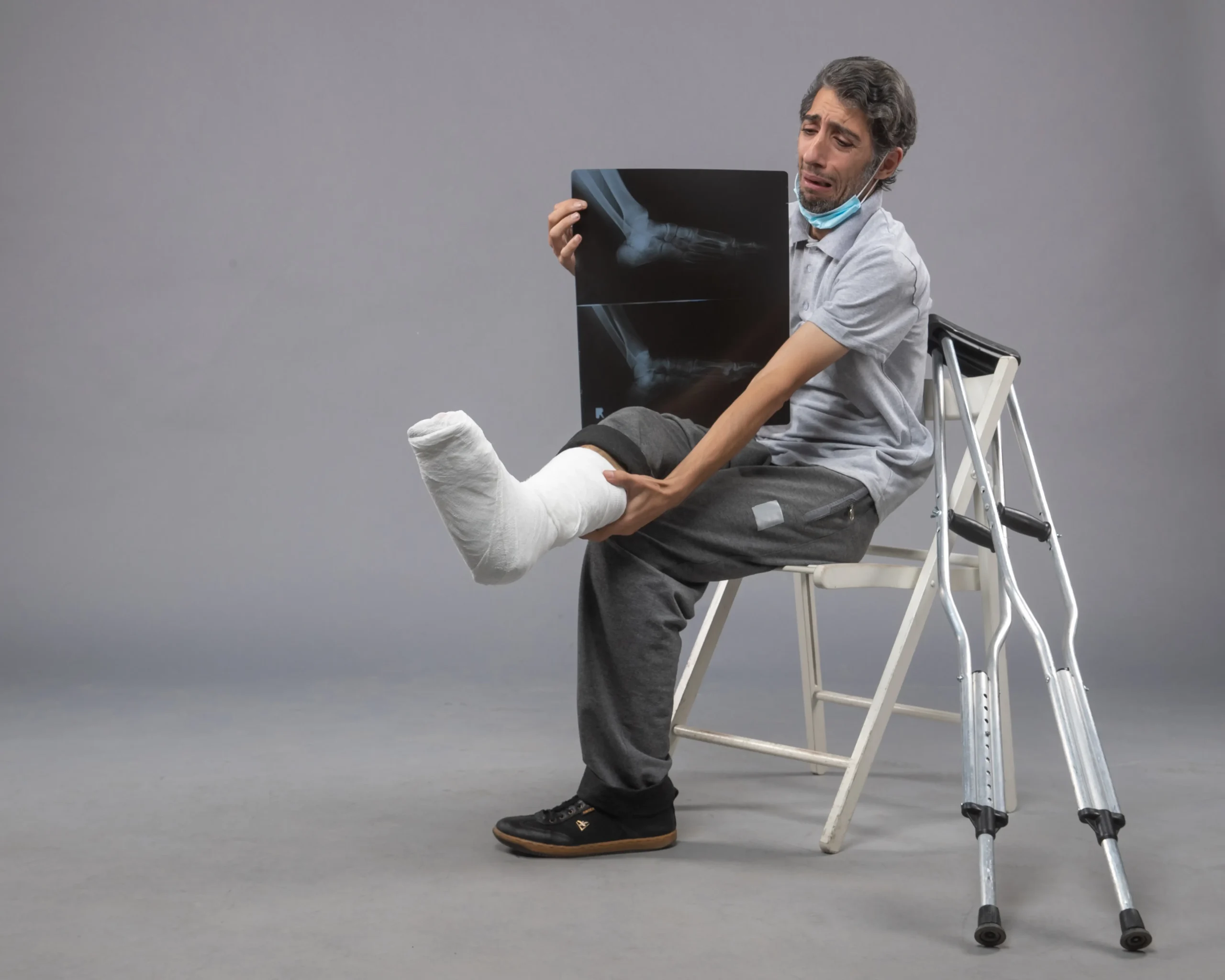
Fracture rehabilitation helps individuals recover movement, strength, function, and confidence after a broken bone. Following medical management such as casting, splinting, or surgery, physiotherapy plays an important role in restoring joint mobility, muscle strength, balance, and day-to-day function.
At Reconnect Physiotherapy and Wellness in Newmarket, ON, fracture rehabilitation supports children, adults, and older adults who are recovering from fractures affecting the upper or lower body. Whether the injury resulted from a fall, sports activity, workplace incident, or motor vehicle accident, physiotherapy can assist in the recovery process and help reduce physical limitations that often develop after immobilization.
What Is Fracture Rehabilitation in Newmarket?
Fracture rehabilitation in Newmarketis a physiotherapy service focused on restoring physical function after a bone fracture. Recovery often involves more than bone healing alone. During periods of immobilization, muscles can weaken, joints may become stiff, and normal movement patterns can change.
The purpose of fracture rehabilitation is to:
- Restore joint mobility
- Improve muscle strength
- Reduce stiffness
- Improve balance and coordination
- Restore walking and functional movement
- Support a safe return to daily activities, work, and recreation
Fracture rehabilitation may be recommended for:
- Wrist fractures
- Hand and finger fractures
- Elbow fractures
- Shoulder fractures
- Collarbone fractures
- Hip fractures
- Pelvic fractures
- Femur fractures
- Knee fractures
- Ankle fractures
- Foot fractures
- Stress fractures
- Post-surgical fracture recovery
Each rehabilitation program is based on the location of the fracture, the stage of recovery, and the individual’s functional goals.
Who Can Benefit From Fracture Rehabilitation?
Fracture rehabilitation may benefit a wide range of individuals recovering from bone injuries.
Adults Recovering From Falls
Many fractures occur following slips, trips, or falls. Physiotherapy can help restore mobility and confidence while addressing balance deficits that may increase future fall risk.
Athletes
Sports-related fractures can affect performance and participation. Rehabilitation helps restore movement, strength, and sport-specific function.
Older Adults
Fractures involving the hip, wrist, spine, or pelvis can significantly impact mobility and independence. Physiotherapy supports safe movement and functional recovery.
Workers Recovering From Injury
Workplace accidents can lead to fractures that affect job duties. Rehabilitation focuses on restoring physical capacity required for work tasks.
Individuals Recovering From Surgery
Many fractures require surgical fixation using plates, screws, rods, or pins. Physiotherapy helps restore movement following surgery.
What Problems Does Fracture Rehabilitation Address?
Fractures often create physical limitations that continue after the bone has healed.
Common issues addressed through physiotherapy include:
- Joint stiffness
- Muscle weakness
- Reduced range of motion
- Walking difficulties
- Balance deficits
- Difficulty climbing stairs
- Reduced grip strength
- Swelling
- Scar tissue restrictions following surgery
- Reduced endurance
- Difficulty returning to work
- Difficulty returning to sports
- Loss of functional mobility
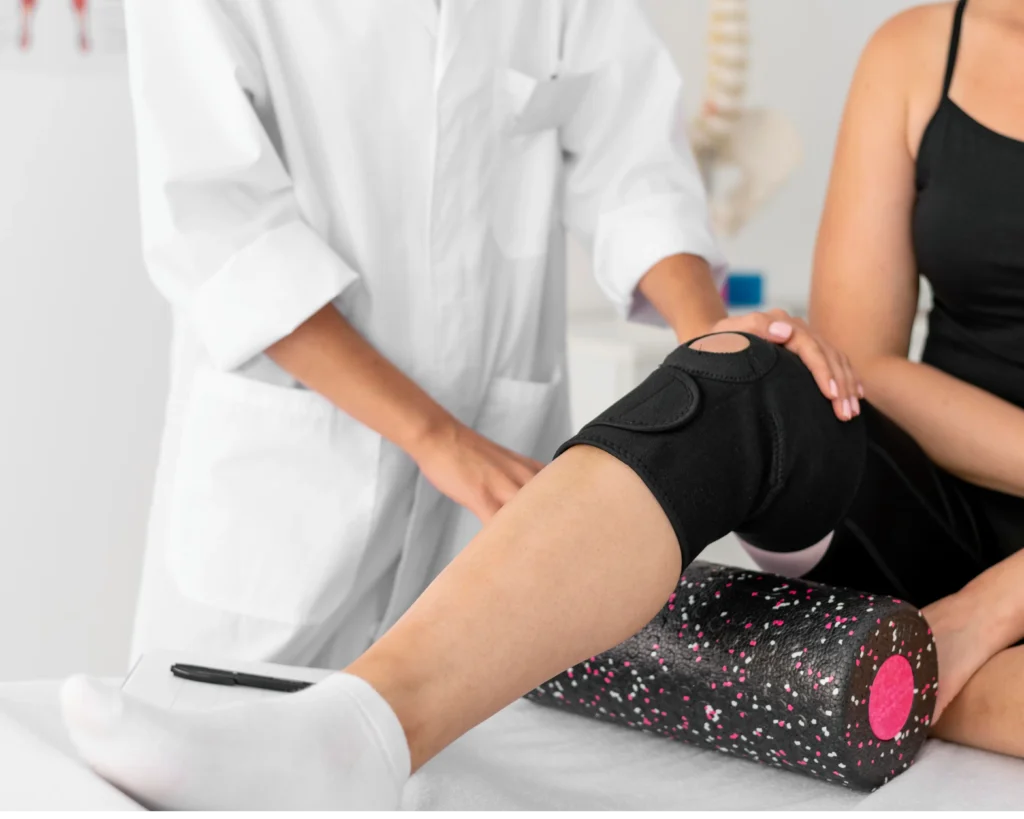
These challenges can affect everyday activities such as dressing, lifting, reaching, walking, driving, and participating in recreation.
What Is Included in Fracture Rehabilitation?
Comprehensive Physical Assessment
What It Includes
- Review of injury history
- Functional assessment
- Range of motion testing
- Strength evaluation
- Balance assessment
- Walking analysis
Why It Matters
Identifies physical limitations affecting recovery.
Expected Outcome
A structured rehabilitation plan based on current function and recovery goals.
Mobility Restoration
What It Includes
- Joint mobilization
- Movement exercises
- Stretching techniques
Why It Matters
Immobilization often leads to stiffness and restricted movement.
Expected Outcome
Improved flexibility and joint function.
Strength Development
What It Includes
- Progressive strengthening exercises
- Functional movement training
- Resistance-based activities
Why It Matters
Muscles often weaken during periods of reduced activity.
Expected Outcome
Improved physical capacity and movement control.
Balance and Coordination Training
What It Includes
- Stability exercises
- Proprioceptive training
- Walking drills
Why It Matters
Many fractures affect balance and mobility.
Expected Outcome
Improved confidence and safer movement.
Functional Rehabilitation
What It Includes
- Sit-to-stand training
- Stair training
- Lifting mechanics
- Return-to-work activities
Why It Matters
Functional tasks often remain challenging after injury.
Expected Outcome
Improved participation in daily activities.
How Does the Fracture Rehabilitation Process Work?
Step 1: Initial Consultation
A physiotherapist reviews the fracture history, imaging reports, medical recommendations, and current symptoms.
Step 2: Physical Assessment
Movement, strength, mobility, balance, and functional limitations are evaluated.
Step 3: Rehabilitation Planning
A structured treatment plan is created based on recovery stage and functional goals.
Step 4: Treatment Implementation
Treatment may include exercise therapy, mobility work, strengthening, balance training, and functional movement practice.
Step 5: Progress Review
Recovery milestones are monitored and treatment is adjusted as function improves.
Step 6: Ongoing Support
Individuals receive education and home exercises to support continued progress between visits.
What Are the Benefits of Fracture Rehabilitation?
Physiotherapy following a fracture may help:
- Improve joint mobility
- Restore muscle strength
- Improve walking ability
- Increase balance and coordination
- Improve physical function
- Support recovery following surgery
- Improve confidence during movement
- Reduce physical limitations
- Support return to work
- Support return to recreational activities
- Promote safe movement strategies
- Improve participation in everyday tasks
Who Does Reconnect Physiotherapy and Wellness Serve?
Reconnect Physiotherapy and Wellness provides fracture rehabilitation services for:
- Children
- Adolescents
- Adults
- Older adults
- Athletes
- Workers
- Post-surgical patients
- Individuals recovering from falls
- Motor vehicle accident patients
- Individuals with sports injuries
Frequently Asked Questions
When should physiotherapy begin after a fracture?
The timing depends on the type of fracture, medical recommendations, and healing progress. A physiotherapist can determine when rehabilitation is appropriate.
Can physiotherapy help after fracture surgery?
Yes. Rehabilitation is commonly recommended following surgical fixation to restore mobility and function.
How long does fracture rehabilitation take?
Recovery timelines vary based on fracture location, severity, age, overall health, and activity goals.
Do all fractures require physiotherapy?
Not all fractures require formal rehabilitation, but many individuals benefit from physiotherapy when stiffness, weakness, mobility restrictions, or functional limitations remain after healing.
What should I bring to my appointment?
Any available imaging reports, physician recommendations, surgical information, and details about the injury can be helpful during the assessment.
Can physiotherapy help me return to sports after a fracture?
Yes. Sport-specific rehabilitation can help restore movement, strength, balance, and physical readiness for participation.
Fracture Rehabilitation Service Areas
Reconnect Physiotherapy and Wellness proudly serves individuals in:
| Central Newmarket | Gorham-College Manor |
| Stonehaven-Wyndham | Aurora Heights / Aurora Village |
| Woodland Hill | Holland Landing |
| Summerhill Estates | Sharon |
Services are available for local residents seeking rehabilitation following fractures and orthopedic injuries.
Why Choose Reconnect Physiotherapy and Wellness for Fracture Rehabilitation in Newmarket?
Reconnect Physiotherapy and Wellness provides evidence-informed physiotherapy services focused on restoring function after injury.
Patients receive:
- Individualized assessments
- Goal-focused rehabilitation plans
- Functional movement training
- Progressive exercise programs
- Ongoing monitoring throughout recovery
- Support for return to work, recreation, and daily activities
The clinic works with individuals at various stages of fracture recovery, from early rehabilitation through return-to-activity phases.
Related Services
You may also be interested in:
- Orthopedic Physiotherapy
- Sports Injury Rehabilitation
- Post-Surgical Rehabilitation
- Balance and Fall Prevention Programs
- Manual Therapy
- Exercise Therapy
- Motor Vehicle Accident Rehabilitation
- Chronic Pain Management
- Strength and Conditioning Programs
Get Started With Fracture Rehabilitation in Newmarket, ON
If you are recovering from a fracture and would like support restoring movement, strength, and function, contact Reconnect Physiotherapy and Wellness to schedule an assessment.
Following your initial visit, a physiotherapist will evaluate your current abilities, discuss your goals, and create a rehabilitation plan based on your stage of recovery.
Address: 600 Bray Cir Unit 2, Newmarket, ON L3Y 4W4, Canada
Phone: +1 647-622-7825
Contact Reconnect Physiotherapy and Wellness today to begin your fracture rehabilitation journey in Newmarket, ON.