The Overlooked Reason Swelling And Recovery Challenges May Be Lingering
Have you noticed persistent swelling, puffiness, or a feeling of heaviness that just won’t go away? Many people start searching for lymphatic drainage when recovery feels slower than expected or when fluid retention begins interfering with everyday life. What often surprises people is how closely these concerns can be linked to the body’s natural fluid-movement system.
Ignoring ongoing swelling may not always be the right approach. In some cases, it can affect comfort, mobility, and day-to-day activities. That is why more people are taking a closer look at options that support healthy fluid movement and recovery.
What Is Manual Lymphatic Drainage?
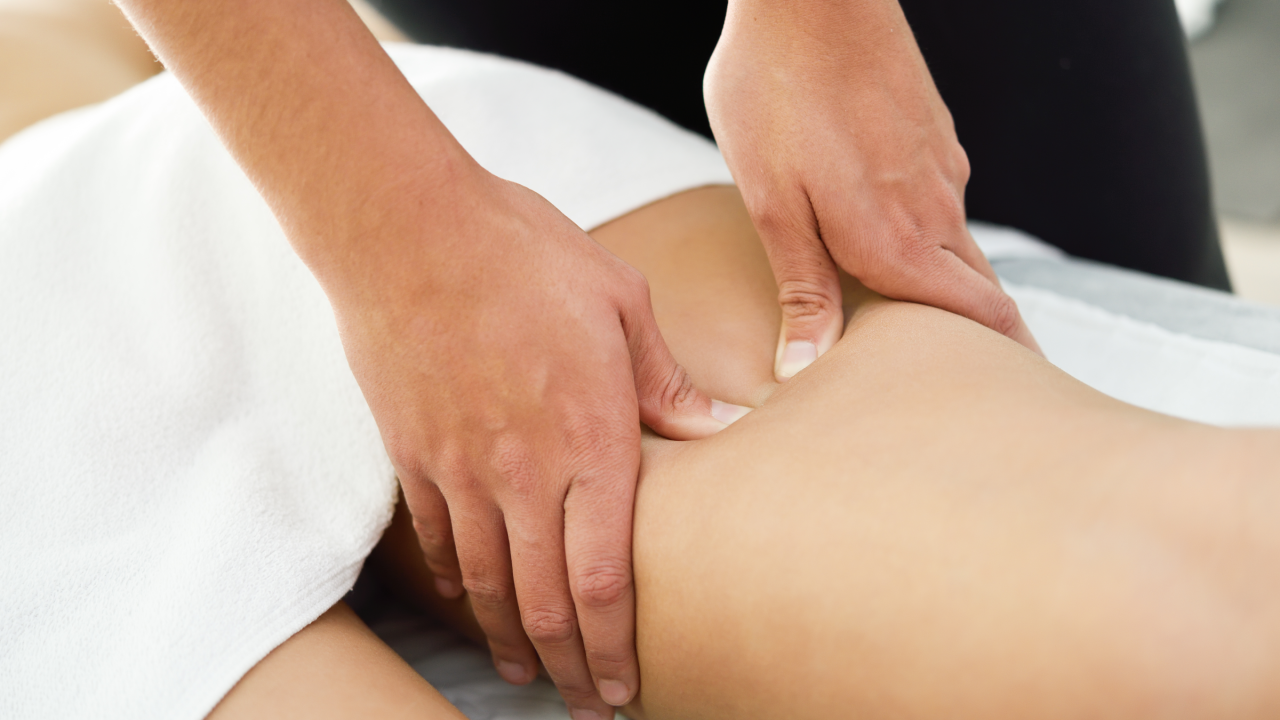
Manual lymphatic drainage is a gentle, hands-on technique that encourages the movement of lymph fluid throughout the body.
Your lymphatic system acts as a network of vessels and nodes that help transport excess fluid, waste products, and other materials away from tissues. Unlike blood circulation, which is driven by the heart, lymph fluid relies heavily on movement and muscle activity to travel efficiently.
When this movement slows, fluid can accumulate in certain areas, leading to swelling or a feeling of heaviness.
A Manual lymphatic drainage session uses light, rhythmic movements intended to support natural lymph flow. This approach is often referred to as lymph drainage therapy, manual lymph massage, or lymphatic system massage.
Why People Are Suddenly Talking About Lymphatic Drainage
Interest in lymphatic drainage has grown significantly in recent years, and there are several reasons why.
Many people first hear about it after surgery when swelling becomes a major concern. Others become interested after injuries that seem to take longer than expected to heal.
Common situations include:
- Swelling after surgical procedures
- Recovery following sports injuries
- Fluid retention in the legs or arms
- Feelings of heaviness throughout the day
- Reduced mobility caused by swelling
- Recovery periods that seem unusually prolonged
These issues can affect simple activities such as walking, exercising, working, or even getting comfortable at home.
7 Signs Your Body May Be Struggling With Lymphatic Flow
1. Persistent Swelling
Swelling that persists for weeks or repeatedly recurs may indicate that fluid movement is inefficient.
2. Feeling Unusually Heavy Or Puffy
Many people describe a sensation of fullness or heaviness, especially in the limbs.
3. Recovery Taking Longer Than Expected
When tissues remain swollen, recovery from injuries or procedures can sometimes feel slower.
4. Limited Movement Due To Swelling
Excess fluid can make bending joints or moving comfortably more difficult.
5. Tightness In Certain Areas
Some individuals notice a stretched or tight sensation around affected regions.
6. Recurring Fluid Build-Up
Repeated episodes of fluid accumulation should not simply be dismissed as normal.
7. Discomfort Affecting Daily Activities
When swelling starts interfering with work, exercise, or household tasks, it may be worth seeking an assessment.
These signs do not necessarily indicate a lymphatic issue, but they may suggest that further evaluation is helpful.
What Happens During A Manual Lymphatic Drainage Session?
Many people are surprised by how gentle lymphatic drainage techniques actually are.
A typical session often includes:
Initial Assessment
A clinician reviews symptoms, medical history, patterns of swelling, and recovery concerns.
Gentle Hands-On Techniques
Unlike deep-tissue approaches, lymphatic drainage treatment uses gentle movements intended to encourage fluid movement.
Areas Commonly Addressed
Depending on the concern, treatment may focus on:
- Arms
- Legs
- Neck
- Abdomen
- Areas affected by surgery or injury
What People Often Notice Afterwards
Some individuals report feeling lighter, less swollen, or more comfortable moving around.
Recovery Expectations
Responses vary from person to person. Some people notice changes quickly, while others require multiple sessions as part of a broader recovery plan.
Potential Benefits Of Lymphatic Drainage
People seek lymphatic drainage for a variety of reasons related to fluid management and recovery.
Potential benefits may include:
- Reduced swelling
- Improved movement of lymph fluid
- Increased comfort during recovery
- Improved mobility
- Support after surgery
- Support after injury
- Assistance with fluid management concerns
A lymphatic flow massage may also be incorporated into broader rehabilitation plans when appropriate.
While lymphatic drainage can be useful in certain situations, outcomes vary depending on the individual’s condition and overall health status.
Common Mistakes People Make When Dealing With Swelling Or Fluid Retention
- Ignoring Symptoms – Many people assume swelling will disappear on its own and wait months before seeking advice.
- Waiting Too Long For Assessment – Delays can sometimes make it harder to identify the cause of persistent swelling.
- Assuming Swelling Is Always Normal – Although swelling can occur after injury or surgery, ongoing symptoms deserve attention.
- Relying Only On Internet Advice – Online information can be useful, but it cannot replace an in-person evaluation.
- Returning To Activities Too Quickly – Resuming demanding activities before swelling is managed may create additional challenges.
Addressing concerns early often provides clearer direction on the next steps.
Why More People In Newmarket Are Exploring Lymphatic Drainage
Interest in lymphatic drainage continues to grow throughout Newmarket.
The community includes active individuals who participate in sports, fitness activities, and physically demanding work. At the same time, many residents undergo surgical procedures each year and seek ways to support recovery afterward.
Workplace demands can also contribute to prolonged sitting, reduced movement, and concerns related to fluid retention.
As awareness grows, more people are exploring options such as lymphatic drainage massage and lymphatic drainage assessments to better understand their recovery needs and mobility concerns.
FAQs
What is manual lymphatic drainage used for?
It is commonly used to help with swelling, fluid management, and recovery following certain injuries or surgeries.
How is lymphatic drainage massage different from a regular massage?
A lymphatic drainage massage uses very gentle movements to support the flow of lymph fluid, while traditional massage often focuses on muscles and tension.
Can lymphatic drainage help after surgery?
In some cases, it may be included as part of post-surgical recovery plans when appropriate and approved by healthcare providers.
How many sessions might I need?
The number of sessions varies depending on the individual’s condition, goals, and response to treatment.
Is lymphatic drainage suitable for everyone?
Not always. A proper assessment helps determine whether lymphatic drainage is appropriate for a particular situation.
Moving Forward
Persistent swelling, recurring fluid retention, or feelings of heaviness should not be ignored when they begin affecting everyday activities. While these concerns may seem minor at first, they can gradually interfere with mobility, comfort, and recovery.
If symptoms continue or recovery is not progressing as expected, consider seeking an assessment. For those in Newmarket looking for professional evaluation and treatment options, contact Reconnect Physiotherapy and Wellness at 600 Bray Cir Unit 2, Newmarket, ON L3Y 4W4, Canada for an assessment today.
6 Reasons Massage therapy Is Popular for Muscle and Body Care

7 Reasons to Consider Psychotherapy During Difficult Life Changes
7 Physiotherapy Tips for Reducing Everyday Joint Stiffness
7 Urgent Reasons Pelvic Physiotherapy Matters During Pregnancy (What Many Expectant Mothers Notice Too Late)
Pelvic Girdle Pain In Pregnancy And How Pelvic Physio Can Help
Need Expert Physiotherapy Care?
Get personalized treatment plans from experienced
physiotherapists.