


Need Expert Physiotherapy Care?
Get personalized treatment plans from experienced
physiotherapists.
Dry Needling in Newmarket, ON
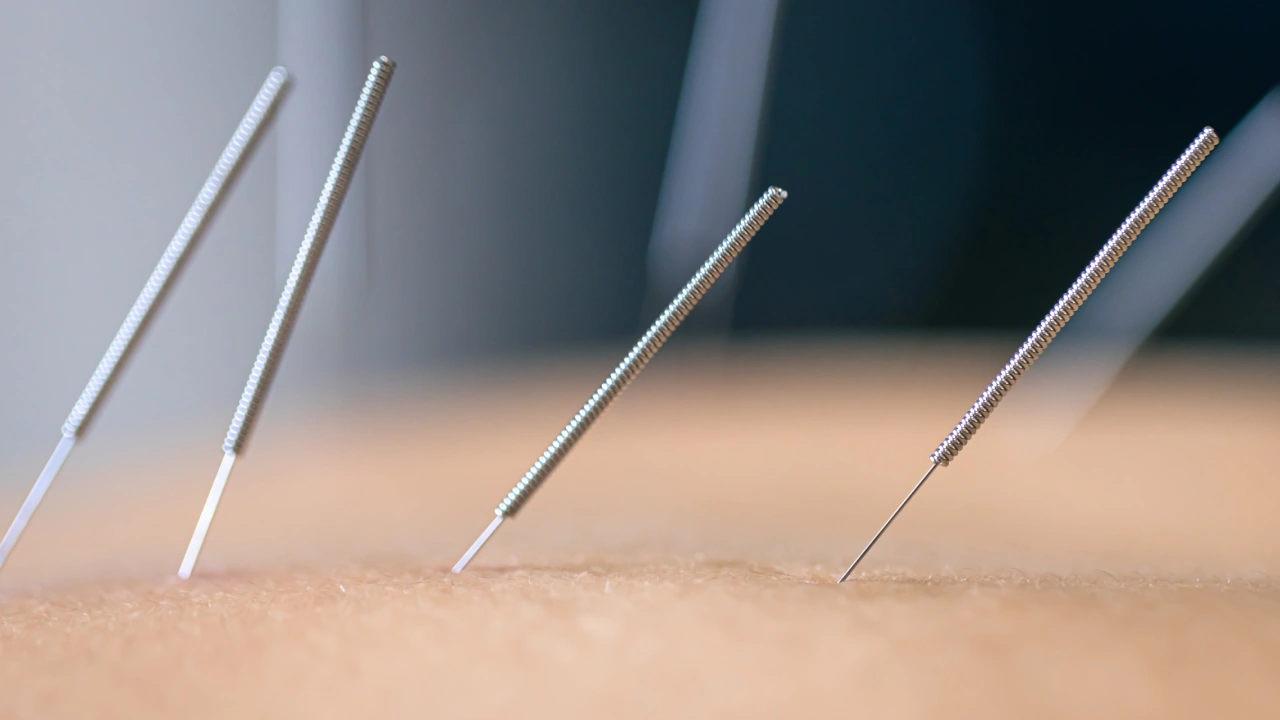
Dry needling is a physiotherapy technique used to address muscle tension, movement restrictions, and trigger points that may contribute to discomfort and reduced mobility. At Reconnect Physiotherapy and Wellness in Newmarket, ON, dry needling is incorporated into physiotherapy treatment plans to support muscle function, joint mobility, and physical performance.
This service may be suitable for individuals dealing with sports-related strains, repetitive stress issues, neck and back discomfort, muscle tightness, headaches linked to muscular tension, and various movement-related concerns. By targeting specific areas within muscles, dry needling can help physiotherapists address underlying factors that may be limiting movement and daily activities.
What Is Dry Needling?
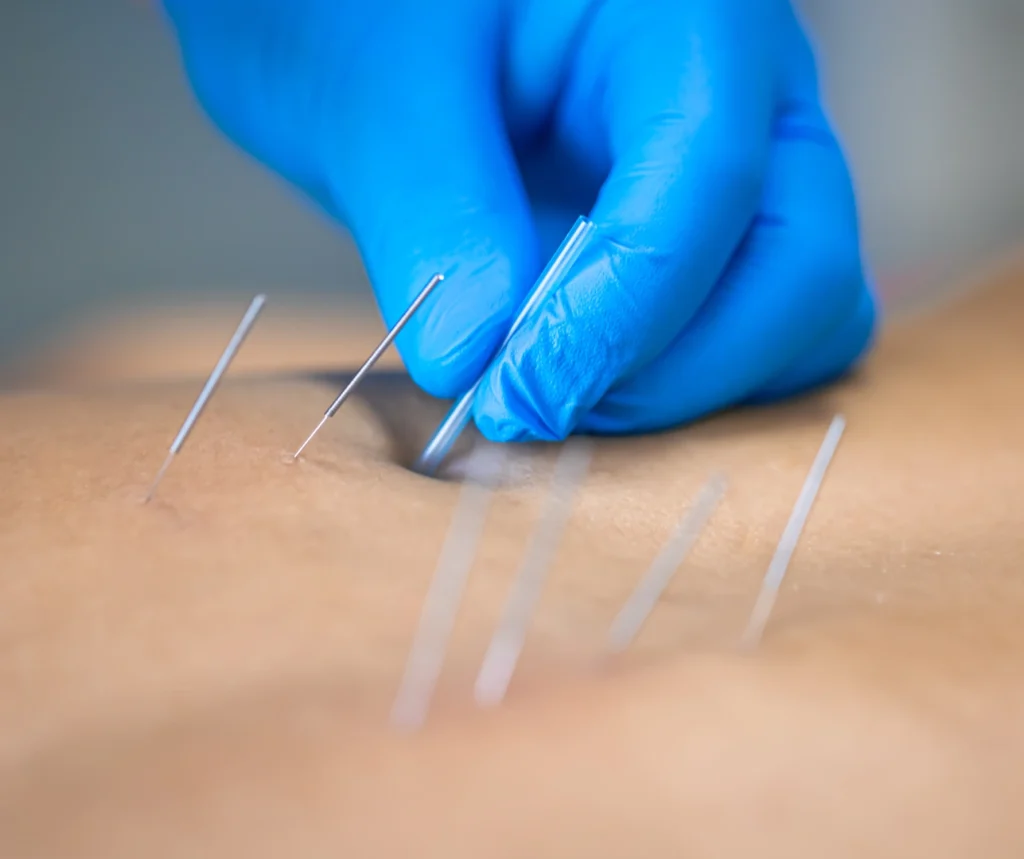
Dry needling is a physiotherapy technique that involves the insertion of thin, sterile needles into muscles, connective tissues, or trigger points. Unlike acupuncture, which is rooted in Traditional Chinese Medicine, dry needling is based on modern anatomy, biomechanics, and neuromuscular science.
The primary purpose of dry needling is to address muscle dysfunction, reduce excessive muscle tension, and improve movement patterns. Physiotherapists use this technique as part of a broader rehabilitation strategy that may also include exercise therapy, manual therapy, movement retraining, and education.
What Conditions and Movement Concerns Can Dry Needling Address?
Dry needling may be used to address:
- Muscle tightness
- Trigger points
- Sports injuries
- Joint movement restrictions
- Tendon-related concerns
- Neck discomfort
- Shoulder issues
- Back discomfort
- Hip dysfunction
- Knee-related movement limitations
When Do People Commonly Seek Dry Needling?
Patients often seek dry needling when they experience:
- Persistent muscle knots
- Reduced flexibility
- Sports-related muscle strains
- Tension headaches
- Neck stiffness
- Shoulder mobility limitations
- Lower back issues
- Repetitive workplace strain
Who Can Benefit From Dry Needling?
Dry needling may benefit a wide range of individuals seeking physiotherapy care.
Active Individuals and Athletes
Athletes frequently use dry needling as part of rehabilitation and recovery programs to address muscular tension and support movement efficiency.
Office Workers
Individuals who spend extended hours sitting at desks often develop tightness in the neck, shoulders, and upper back. Dry needling may be incorporated into physiotherapy plans to address these concerns.
Physically Demanding Occupations
Construction workers, warehouse employees, healthcare workers, and tradespeople may experience repetitive strain and muscle fatigue that can affect daily performance.
Older Adults
Age-related changes in flexibility and movement patterns can contribute to muscular tightness and mobility challenges. Dry needling may form part of a physiotherapy program focused on maintaining functional movement.
Individuals Recovering From Injury
Those recovering from sprains, strains, sports injuries, or post-surgical rehabilitation may benefit from dry needling when deemed appropriate by a physiotherapist.
What Problems Can Dry Needling Help Address?
People often seek dry needling when dealing with challenges such as:
- Persistent muscle tension
- Trigger points and muscle knots
- Restricted range of motion
- Neck stiffness
- Shoulder tightness
- Back discomfort
- Hip tightness
- Sports-related strains
- Repetitive stress injuries
- Muscle imbalances
- Tension-related headaches
- Movement limitations affecting work or recreation
Dry needling is typically used alongside other physiotherapy techniques rather than as a standalone treatment.
What Is Included in Dry Needling Physiotherapy?
Physiotherapy Assessment
What It Includes
- Health history review
- Movement assessment
- Functional testing
- Muscle and joint evaluation
Why Is It Important?
Identifying contributing factors helps guide treatment decisions.
What Can Patients Expect?
A treatment plan aligned with the individual’s goals and physical condition.
Trigger Point Identification
What It Includes
- Palpation of affected muscles
- Detection of muscle tension patterns
- Assessment of movement restrictions
Why It Matters
Locating the source of dysfunction supports targeted treatment.
Expected Outcome
Improved focus during physiotherapy sessions.
Dry Needling Treatment
What It Includes
- Placement of sterile needles
- Targeting affected muscles
- Monitoring patient response
Why It Matters
Specific muscles can be addressed directly during treatment.
Expected Outcome
Changes in muscle tension and movement quality.
Movement Retraining
What It Includes
- Corrective exercises
- Posture education
- Functional movement instruction
Why It Matters
Movement habits often contribute to recurring issues.
Expected Outcome
Improved movement efficiency.
Exercise Programming
What It Includes
- Strength exercises
- Mobility exercises
- Home exercise recommendations
Why It Matters
Exercise supports ongoing physical function.
Expected Outcome
Progress between physiotherapy appointments.
How Does the Dry Needling Process Work?
| 1. Initial Consultation – A physiotherapist discusses symptoms, medical history, goals, and activity levels. |
| 2. Physical Assessment – Movement patterns, muscle function, joint mobility, and affected areas are evaluated. |
| 3. Treatment Planning – The physiotherapist determines whether dry needling is appropriate and develops a rehabilitation strategy. |
| 4. Dry Needling Session – Sterile needles are used to target the targeted muscles during treatment. |
| 5. Review and Progress Monitoring – Changes in symptoms, mobility, and physical function are assessed. |
| 6. Ongoing Physiotherapy Support – Additional treatments, exercise progression, and movement education may be provided as needed. |
What Are the Benefits of Dry Needling?
Potential outcomes may include:
- Improved joint mobility
- Increased flexibility
- Reduced muscular tension
- Enhanced movement quality
- Support for rehabilitation programs
- Improved physical performance
- Reduced movement restrictions
- Faster return to daily activities
- Support for sports participation
- Improved exercise participation
Results vary based on the individual’s condition, health history, and treatment plan.
Who Does Reconnect Physiotherapy and Wellness Serve?
Reconnect Physiotherapy and Wellness serves individuals from many backgrounds, including:
- Healthcare professionals
- Office workers
- Teachers
- Construction workers
- Manufacturing employees
- Retail employees
- Warehouse workers
- Trades professionals
- Recreational athletes
- Competitive athletes
- Students
- Retirees
Frequently Asked Questions
Dry needling typically includes an assessment, identification of target muscles, application of sterile needles, and integration with physiotherapy treatment strategies.
No. Dry needling is based on anatomy, movement science, and physiotherapy principles, while acupuncture originates from Traditional Chinese Medicine.
Treatment length varies depending on the condition being addressed and the overall physiotherapy plan.
Individuals may experience different sensations. Some feel minimal discomfort, while others notice a brief twitch response when a trigger point is stimulated.
Previous imaging reports, medical information, current activity levels, and details regarding symptoms may assist the physiotherapist during assessment.
Which Areas Does Reconnect Physiotherapy and Wellness Serve?
Reconnect Physiotherapy and Wellness provides dry needling services for patients throughout:
| Central Newmarket | Gorham-College Manor |
| Stonehaven-Wyndham | Aurora Heights / Aurora Village |
| Woodland Hill | Holland Landing |
| Summerhill Estates | Sharon |
Appointments are available for local residents seeking physiotherapy services.
Why Choose Reconnect Physiotherapy and Wellness for Dry Needling in Newmarket?
Reconnect Physiotherapy and Wellness provides physiotherapy services focused on movement assessment, rehabilitation, and functional recovery.
Patients choose the clinic for:
- Licensed physiotherapy care.
- Evidence-informed treatment methods.
- One-on-one assessments.
- Individual rehabilitation planning.
- Dry needling integrated with physiotherapy.
- Exercise-based rehabilitation.
- Focus on mobility and function.
- Commitment to patient education.
The clinic works with individuals across various age groups and activity levels throughout Newmarket and surrounding communities.
Related Services
Patients seeking dry needling may also be interested in:
- Physiotherapy
- Sports Injury Rehabilitation
- Manual Therapy
- Post-Surgical Rehabilitation
- Pelvic Floor Physiotherapy
- Vestibular Rehabilitation
- Exercise Therapy
- Mobility Training
- Injury Prevention Programs
- Workplace Injury Rehabilitation
How Can You Get Started With Dry Needling in Newmarket
If you are considering dry needling as part of a physiotherapy treatment plan, contact – Reconnect Physiotherapy and Wellness in Newmarket, ON to schedule an assessment.
Getting Started
Address: 600 Bray Cir Unit 2, Newmarket, ON L3Y 4W4, Canada
Phone: +1 647-622-7825
Our clinic team will assist with appointment scheduling and answer questions regarding the assessment process. Book an appointment today to learn whether dry needling may be an appropriate addition to your physiotherapy treatment plan in Newmarket, Ontario.