
Need Expert Physiotherapy Care?
Get personalized treatment plans from experienced
physiotherapists.

Pelvic Pain Treatment in Newmarket, ON
Pelvic pain can affect daily activities, work, exercise, sleep, and personal relationships. It may occur in the lower abdomen, pelvis, tailbone, hips, groin, or surrounding areas and can affect both men and women. Pelvic pain may also occur during periods, around ovulation, or in connection with conditions such as endometriosis. Pelvic Floor Physiotherapy focuses on assessing and addressing muscle, joint, nerve, connective tissue, and movement factors that may contribute to ongoing discomfort.
At Reconnect Physiotherapy and Wellness in Newmarket, ON, Pelvic Floor Physiotherapy is available for individuals dealing with persistent pelvic pain, period-related pelvic discomfort, ovulation-related pain, symptoms associated with endometriosis, discomfort during daily activities, pregnancy-related pain, postpartum recovery concerns, and symptoms linked to pelvic floor dysfunction.
What Is Pelvic Pain Treatment Through Pelvic Floor Physiotherapy?
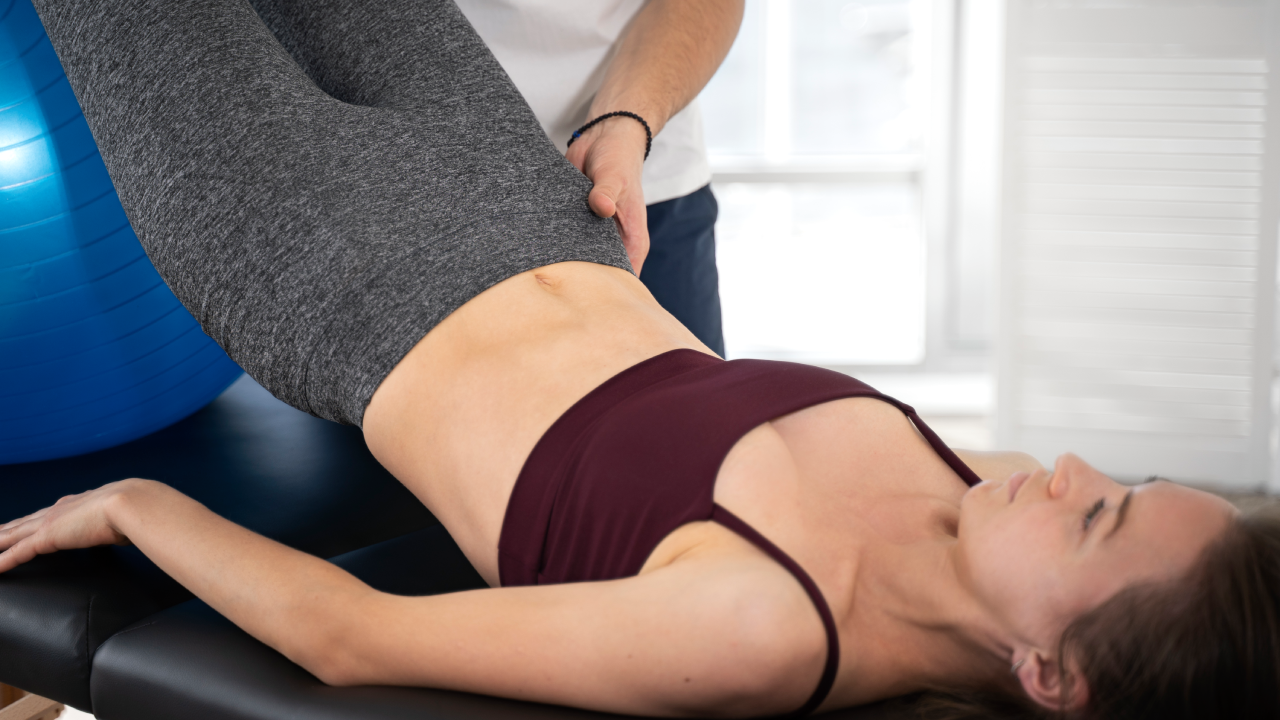
Pelvic pain treatment through Pelvic Floor Physiotherapy involves the assessment and management of muscles, connective tissues, joints, nerves, and movement patterns within and around the pelvic region.
The pelvic floor consists of a group of muscles that support the bladder, bowel, and reproductive organs. When these muscles become tense, weak, overactive, uncoordinated, or irritated, they may contribute to pelvic discomfort and functional limitations.
Pelvic Floor Physiotherapy may be used to address the following:
- Chronic pelvic pain
- Pelvic muscle tension
- Tailbone discomfort
- Pain during sitting
- Pain during exercise
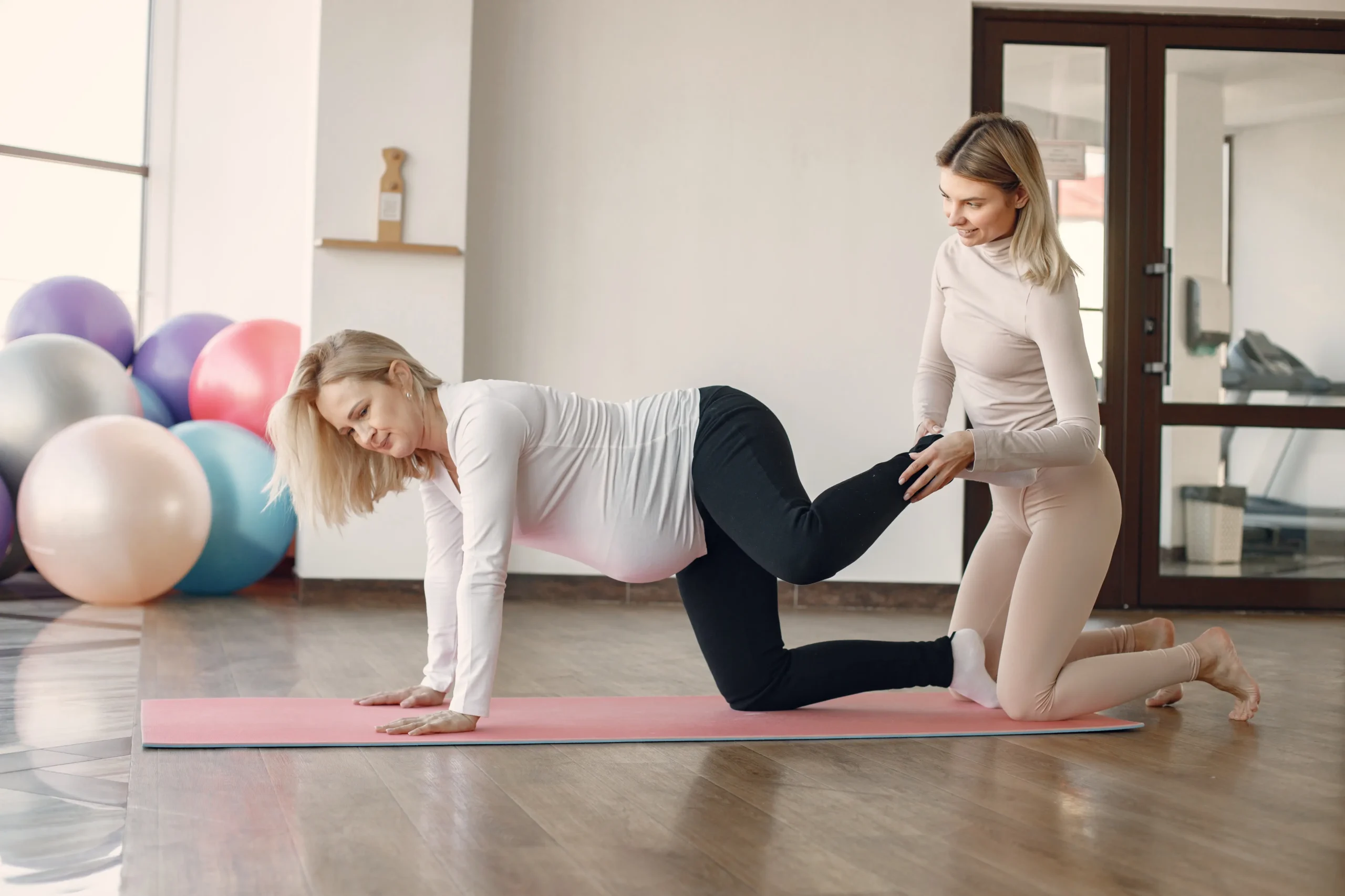
- Pregnancy-related pelvic pain
- Postpartum pelvic discomfort
- Pelvic girdle pain
- Pain associated with bladder or bowel function
- Discomfort during intimate activity
- Chronic pelvic pain
- Pelvic muscle tension
- Tailbone discomfort
- Pain during sitting
- Pain during exercise
- Pregnancy-related pelvic pain
- Postpartum pelvic discomfort
- Pelvic girdle pain
- Pain associated with bladder or bowel function
- Discomfort during intimate activity
- Pelvic pain during periods
- Pain around ovulation
- Pelvic pain associated with endometriosis
- Lower abdominal and pelvic discomfort linked to menstrual cycles

The goal is to identify contributing factors and develop a structured plan to restore movement, improve function, and reduce physical limitations.
Who Can Benefit From Pelvic Pain Physiotherapy?
Pelvic Floor Physiotherapy may benefit a wide range of individuals experiencing pelvic discomfort.
Women
Women may seek treatment for:
- Pregnancy-related pelvic pain
- Postpartum pelvic discomfort
- Pelvic girdle pain
- Tailbone pain
- Discomfort during intimate activity
- Chronic pelvic tension
- Pelvic pain during periods
- Pain around ovulation
- Pelvic discomfort associated with endometriosis
- Lower abdominal or pelvic pain linked to the menstrual cycle
Men
Men may seek treatment for:
- Chronic pelvic pain syndrome
- Pelvic muscle tightness
- Groin discomfort
- Tailbone pain
- Bladder-related symptoms associated with pelvic floor dysfunction
Active Individuals
Athletes and active adults may experience:
- Hip and pelvic pain during exercise
- Running-related pelvic discomfort
- Persistent groin pain
- Movement limitations linked to pelvic floor dysfunction
Older Adults
Age-related changes in muscle coordination and mobility may contribute to pelvic discomfort that affects daily activities.
What Problems Can Pelvic Floor Physiotherapy Help Address?
Pelvic pain can stem from multiple factors, including pelvic floor muscle tension, movement restrictions, joint dysfunction, nerve sensitivity, menstrual-cycle-related changes, and conditions such as endometriosis. Pelvic Floor Physiotherapy assesses the factors that may contribute to symptoms and helps address how pelvic pain affects movement, daily activities, and physical function, including the following:
- Pelvic floor muscle tension
- Muscle weakness and coordination issues
- Tailbone irritation
- Hip and pelvic joint dysfunction
- Scar tissue restrictions
- Pregnancy-related physical changes
- Postpartum recovery challenges
- Chronic pelvic discomfort
- Movement-related pelvic pain
- Sitting intolerance
- Pain during physical activity
- Bladder and bowel dysfunction associated with pelvic floor conditions
- Pelvic pain during periods
- Ovulation-related pelvic pain
- Pelvic discomfort associated with endometriosis
- Menstrual-cycle-related pelvic symptoms
- Lower abdominal and pelvic muscle tension
Many individuals seek treatment after symptoms begin interfering with work, recreation, exercise, travel, or daily routines.
What Is Included in Pelvic Pain Treatment?
Comprehensive Pelvic Floor Assessment
What It Includes
- Detailed health history review
- Symptom assessment
- Movement evaluation
- Postural analysis
- Pelvic floor assessment when appropriate
Why It Matters
Identifying contributing factors helps determine the source of symptoms rather than focusing only on the area of discomfort.
Expected Outcome
A clear picture of factors contributing to pelvic pain.
Individual Treatment Planning
What It Includes
- Goal setting
- Functional assessment findings
- Activity considerations
- Progress tracking
Why It Matters
Every case of pelvic pain presents differently.
Expected Outcome
A structured treatment pathway aligned with the individual’s needs.
Manual Therapy
What It Includes
- Soft tissue techniques
- Joint mobilization
- Myofascial techniques
- Scar tissue management when indicated
Why It Matters
Restrictions within muscles and connective tissues may contribute to pelvic discomfort.
Expected Outcome
Improved mobility and reduced movement restrictions.
Pelvic Floor Muscle Training
What It Includes
- Muscle coordination exercises
- Relaxation strategies
- Strength development when appropriate
- Breathing integration
Why It Matters
Pelvic floor muscles require proper coordination rather than simply increased strength.
Expected Outcome
Improved muscle function and movement control.
Exercise and Movement Education
What It Includes
- Stretching programs
- Mobility exercises
- Functional movement strategies
- Activity modifications
Why It Matters
Daily habits and movement patterns may influence symptoms.
Expected Outcome
Improved confidence during daily activities and exercise.
How Does the Pelvic Pain Physiotherapy Process Work?
| 1. Initial Consultation – A physiotherapist gathers information about symptoms, medical history, activity levels, and goals. |
| 2. Assessment – A physical assessment evaluates movement, posture, mobility, strength, and pelvic floor function. |
| 3. Treatment Planning – A plan is developed based on assessment findings and individual goals. |
| 4. Treatment Sessions – Treatment may include manual therapy, exercises, education, and movement retraining. |
| 5. Progress Review – Symptoms, mobility, and functional improvements are monitored regularly. |
| 6. Ongoing Support – Programs may be adjusted as needs change throughout recovery and activity progression. |
What Are the Potential Benefits of Pelvic Floor Physiotherapy for Pelvic Pain?
Many individuals seek Pelvic Floor Physiotherapy to help achieve outcomes such as:
- Improved movement tolerance
- Increased participation in daily activities
- Enhanced sitting comfort
- Improved exercise capacity
- Greater pelvic floor muscle coordination
- Improved body awareness
- Support during pregnancy and postpartum recovery
- Reduced activity limitations
- Improved confidence with movement
- Improved overall physical function
Who Does Reconnect Physiotherapy and Wellness Serve?
Reconnect Physiotherapy and Wellness serves individuals from many backgrounds, including:
- Office professionals
- Healthcare workers
- Teachers
- Retail employees
- Tradespeople
- Athletes
- Fitness enthusiasts
- Parents
- Seniors
- Students
Pelvic pain can affect individuals across all lifestyles and activity levels.
Frequently Asked Questions
Treatment may include assessment, manual therapy, exercise programs, pelvic floor muscle training, movement education, and progress monitoring.
The duration varies depending on symptom history, contributing factors, goals, and individual response to treatment.
No. Pelvic Floor Physiotherapy can help both men and women experiencing pelvic floor dysfunction and pelvic pain.
Yes. Many pregnant individuals seek physiotherapy for pelvic girdle pain, lower back discomfort, and movement-related challenges.
Yes. Postpartum pelvic floor rehabilitation is a common reason individuals seek care.
Pelvic Floor Physiotherapy may help address muscle tension, movement restrictions, and other physical factors that may contribute to pelvic pain during periods. An assessment can help identify factors that may be contributing to symptoms.
Some individuals experience pelvic discomfort around ovulation. Physiotherapy can assess pelvic floor muscle tension, movement patterns, hip mobility, and other physical factors that may contribute to symptoms.
Pelvic Floor Physiotherapy may support individuals with endometriosis by addressing pelvic floor muscle tension, movement limitations, scar tissue restrictions when appropriate, and other musculoskeletal factors associated with pelvic discomfort. Physiotherapy works alongside medical care and does not treat endometriosis itself.
What Areas Does Reconnect Physiotherapy and Wellness Serve?
Reconnect Physiotherapy and Wellness provides pelvic pain treatment and Pelvic Floor Physiotherapy services for individuals in:
| Central Newmarket | Gorham-College Manor |
| Stonehaven-Wyndham | Aurora Heights / Aurora Village |
| Woodland Hill | Holland Landing |
| Summerhill Estates | Sharon |
Services are available for local residents seeking pelvic health support in and around Newmarket, Ontario.
Why Choose Reconnect Physiotherapy and Wellness?
Individuals seeking pelvic pain treatment in Newmarket may choose Reconnect Physiotherapy and Wellness because of:
- Focus on pelvic health physiotherapy.
- One-on-one assessment and treatment sessions.
- Evidence-informed treatment approaches.
- Attention to functional goals and daily activities.
- Support for pregnancy and postpartum concerns.
- Ongoing progress monitoring.
- Commitment to patient education and active participation.
The clinic aims to help individuals navigate pelvic health challenges through structured assessment and treatment strategies.
What Other Services May Be Helpful Alongside Pelvic Pain Treatment?
Individuals seeking pelvic pain treatment may also be interested in:
- Pelvic Floor Physiotherapy
- Postpartum Physiotherapy
- Pregnancy Physiotherapy
- Women’s Health Physiotherapy
- Core Rehabilitation
- Chronic Pain Physiotherapy
- Orthopedic Physiotherapy
- Manual Therapy
- Sports Injury Rehabilitation
Get Started With Pelvic Pain Treatment
If pelvic pain is affecting your daily routine, physical activity, or overall function, Reconnect Physiotherapy and Wellness in Newmarket, ON, can help you take the next step.
Contact the clinic to schedule an assessment and discuss your symptoms, goals, and concerns. Following your initial consultation, a physiotherapist will outline the assessment findings and recommend a treatment plan tailored to your needs.
Reach out today to book your appointment and learn more about pelvic floor physiotherapy for pelvic pain in Newmarket.