



Need Expert Physiotherapy Care?
Get personalized treatment plans from experienced
physiotherapists.
Hallux Valgus Treatment in Newmarket, ON
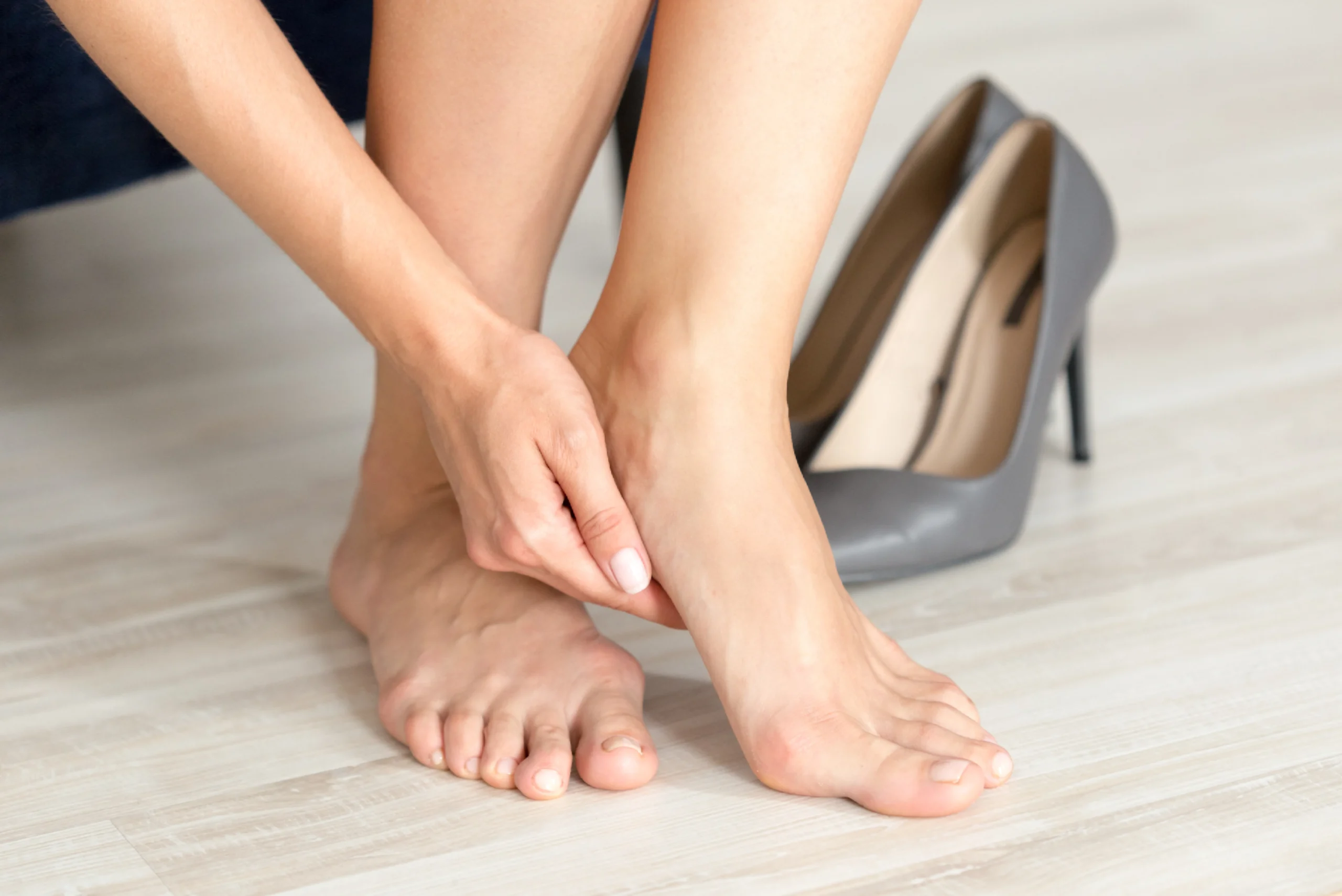
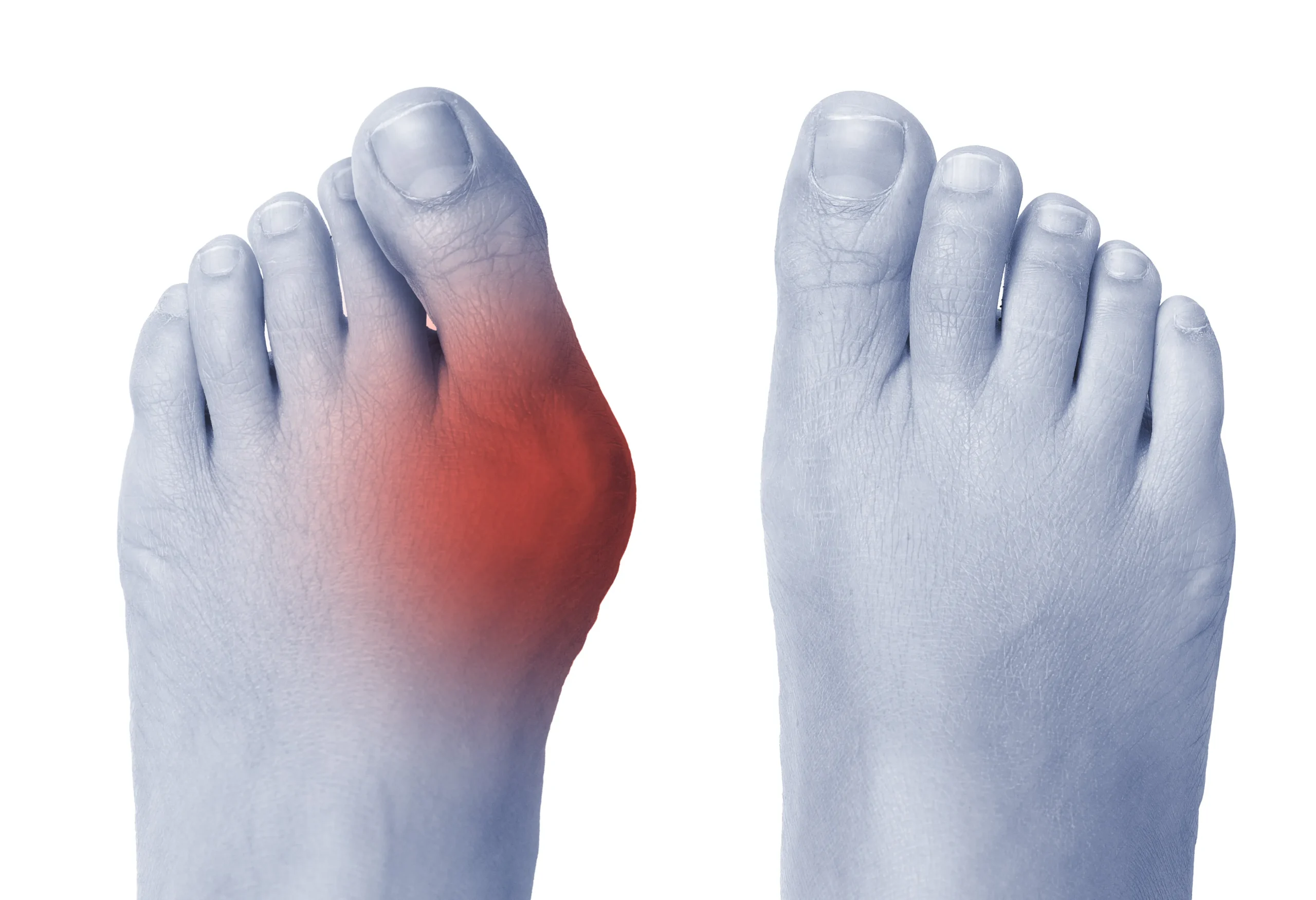
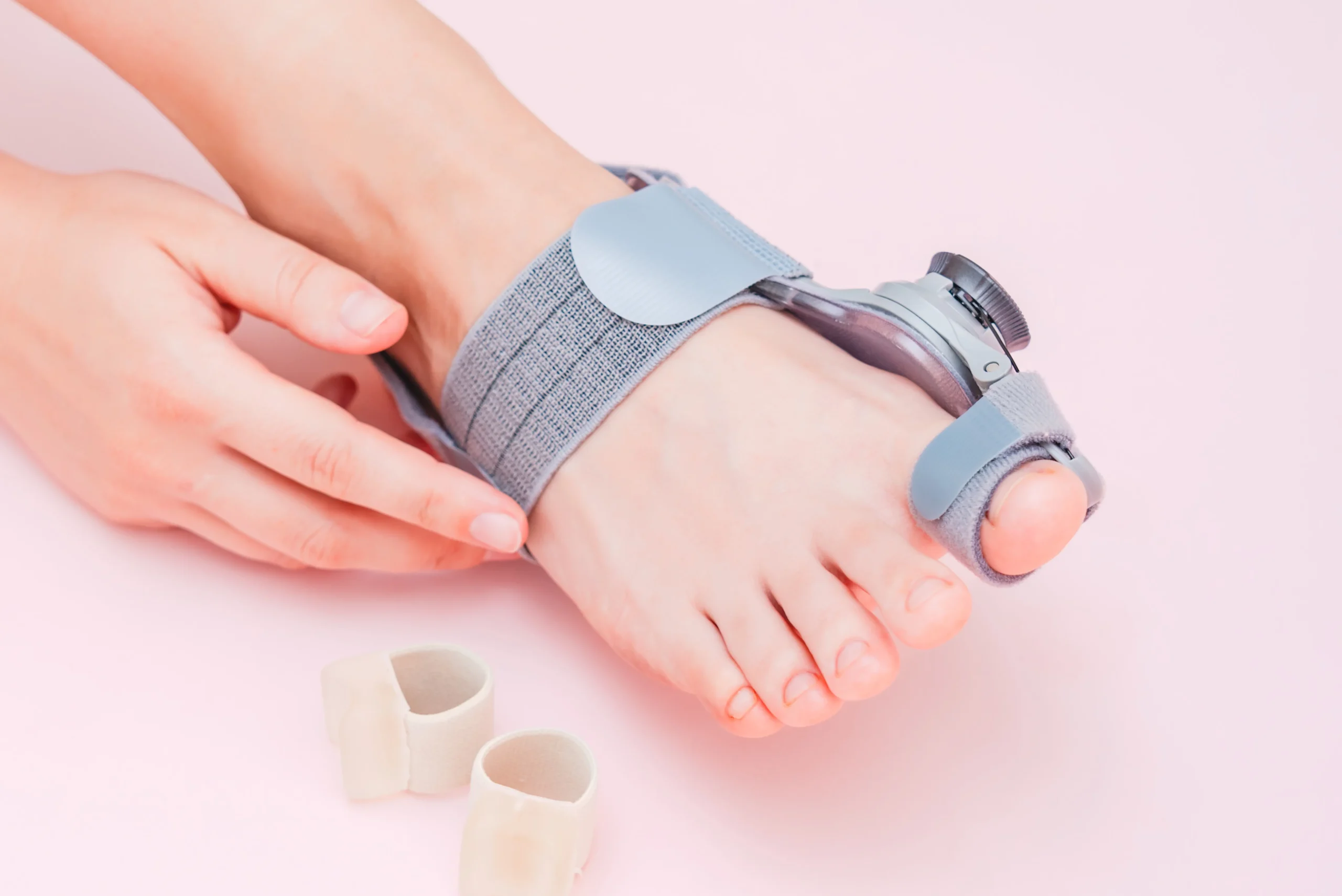
Hallux valgus, commonly known as a bunion, is a foot condition that causes the big toe to shift toward the smaller toes, creating a bony prominence at the base of the joint. This condition can affect walking, standing, exercise, footwear choices, and daily comfort. At Reconnect Physiotherapy and Wellness in Newmarket, ON, individuals with hallux valgus can receive physiotherapy services focused on improving foot function, reducing joint stress, and supporting mobility.
What Is Hallux Valgus?
Hallux valgus is a structural deformity involving the big toe joint. As the big toe gradually moves inward toward the other toes, the joint at its base becomes more prominent. The condition may develop slowly over time and can range from mild to severe.
Hallux valgus can be associated with:
- Foot structure and genetics
- Joint instability
- Flat feet
- Arthritis
- Repetitive stress on the foot
- Improper footwear
- Age-related changes
Common signs include:
- A visible bump on the side of the big toe joint
- Toe misalignment
- Foot fatigue
- Difficulty wearing certain shoes
- Joint stiffness
- Swelling around the toe joint
- Changes in walking mechanics
Physiotherapy can help address movement limitations and functional challenges related to hallux valgus.
Who Can Benefit From Hallux Valgus Treatment?
Hallux valgus treatment may benefit:
Adults With Bunions
Individuals experiencing discomfort, joint stiffness, or challenges during walking and standing.
Active Individuals
People who participate in sports, fitness activities, or recreational pursuits that place demands on the feet.
Older Adults
Those experiencing age-related changes in foot alignment and mobility.
Individuals With Flat Feet
People whose foot mechanics contribute to increased pressure on the big toe joint.
Workers Who Spend Long Hours Standing
Occupations that require prolonged standing or walking can increase strain on the feet.
Individuals Seeking Non-Surgical Management
People looking to manage symptoms and maintain function before considering surgical options.
What Problems Does Hallux Valgus Treatment Address?
Hallux valgus physiotherapy can help address:
- Big toe joint discomfort during walking
- Reduced foot mobility
- Difficulty wearing footwear comfortably
- Altered walking patterns
- Foot fatigue
- Decreased balance and stability
- Swelling around the toe joint
- Limited participation in physical activities
- Reduced flexibility of the foot and ankle
- Compensatory movement patterns affecting the knees, hips, or lower back
Many individuals seek care when daily activities become more challenging or when symptoms begin affecting mobility.
Key Features and Deliverables
Comprehensive Foot Assessment
What it includes:
- Foot alignment evaluation
- Gait analysis
- Joint mobility assessment
- Strength testing
Why it matters:
- Identifies factors contributing to toe misalignment and movement restrictions.
Expected outcome:
- A clear picture of foot function and mobility limitations.
Movement and Gait Analysis
What it includes:
- Walking assessment
- Weight distribution analysis
- Functional movement evaluation
Why it matters:
- Detects movement patterns that may increase stress on the toe joint.
Expected outcome:
- Improved walking mechanics and foot efficiency.
Mobility Exercises
What it includes:
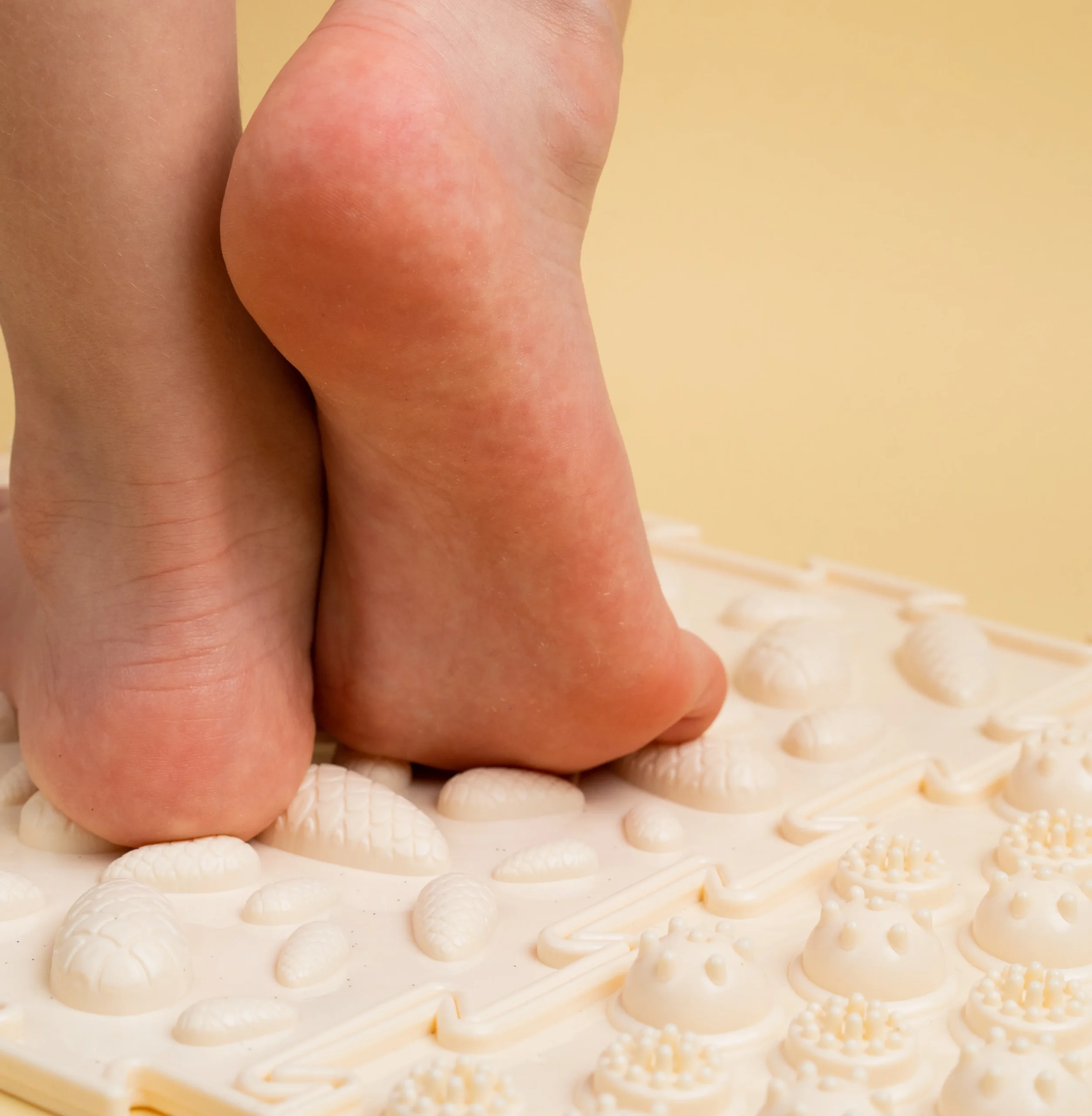
- Joint mobility exercises
- Toe movement training
- Foot flexibility exercises
Why it matters:
- Supports movement within the affected joints.
Expected outcome:
- Increased mobility and improved foot function.
Strengthening Program
What it includes:
- Foot muscle strengthening
- Ankle stability exercises
- Lower limb conditioning
Why it matters:
- Supports the structures surrounding the foot and ankle.
Expected outcome:
- Improved stability during standing and walking.
Footwear and Activity Education
What it includes:
- Shoe recommendations
- Activity modification strategies
- Foot care education
Why it matters:
- Reduces unnecessary pressure on the affected area.
Expected outcome:
- Improved comfort during daily activities.
How Does the Process Work?
1. Initial Consultation
A physiotherapist discusses symptoms, activity levels, medical history, and mobility concerns.
2. Assessment
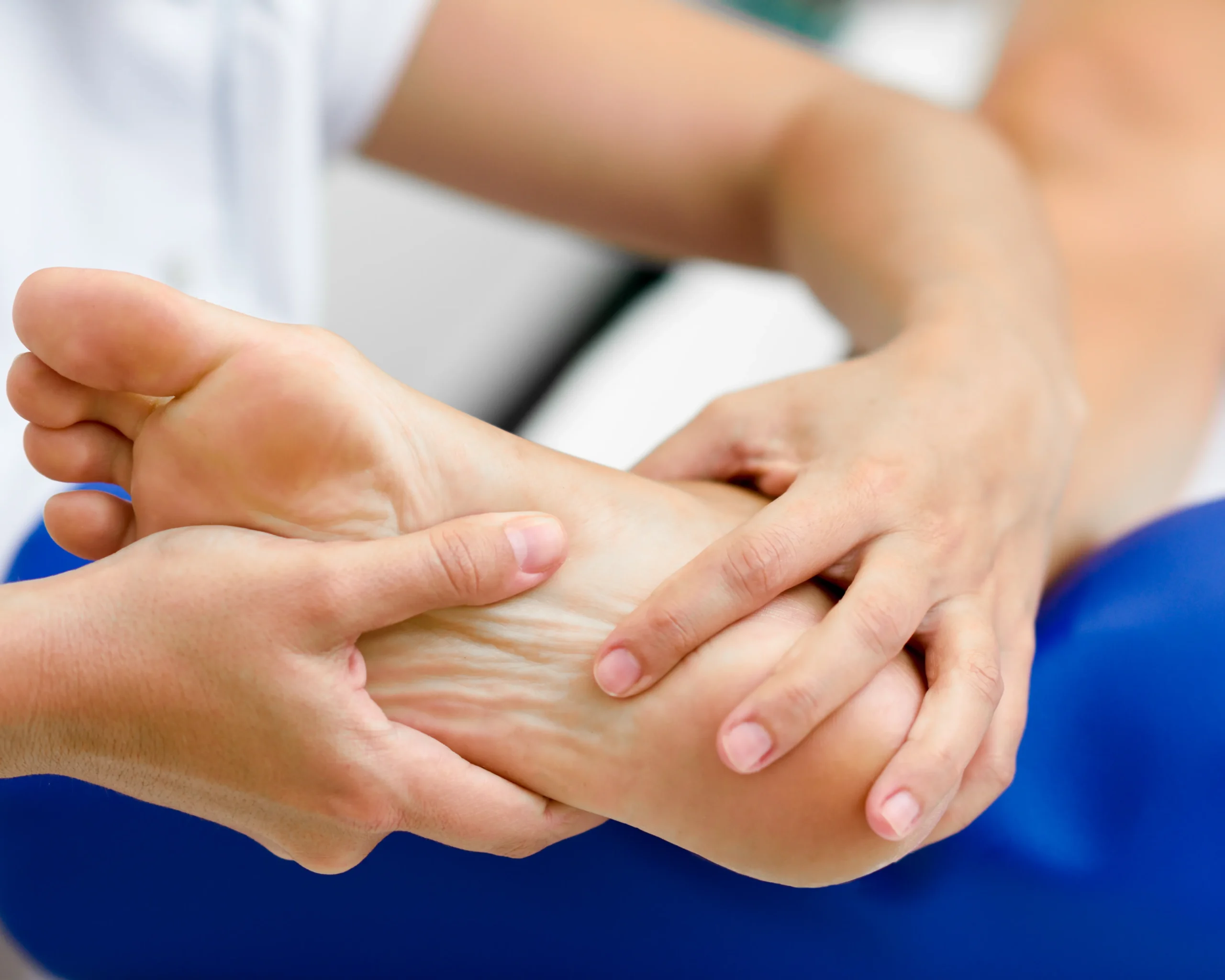
A detailed examination of foot alignment, strength, flexibility, and walking mechanics is completed.
3. Treatment Planning
A structured care plan is developed based on the individual’s presentation and goals.
4. Implementation
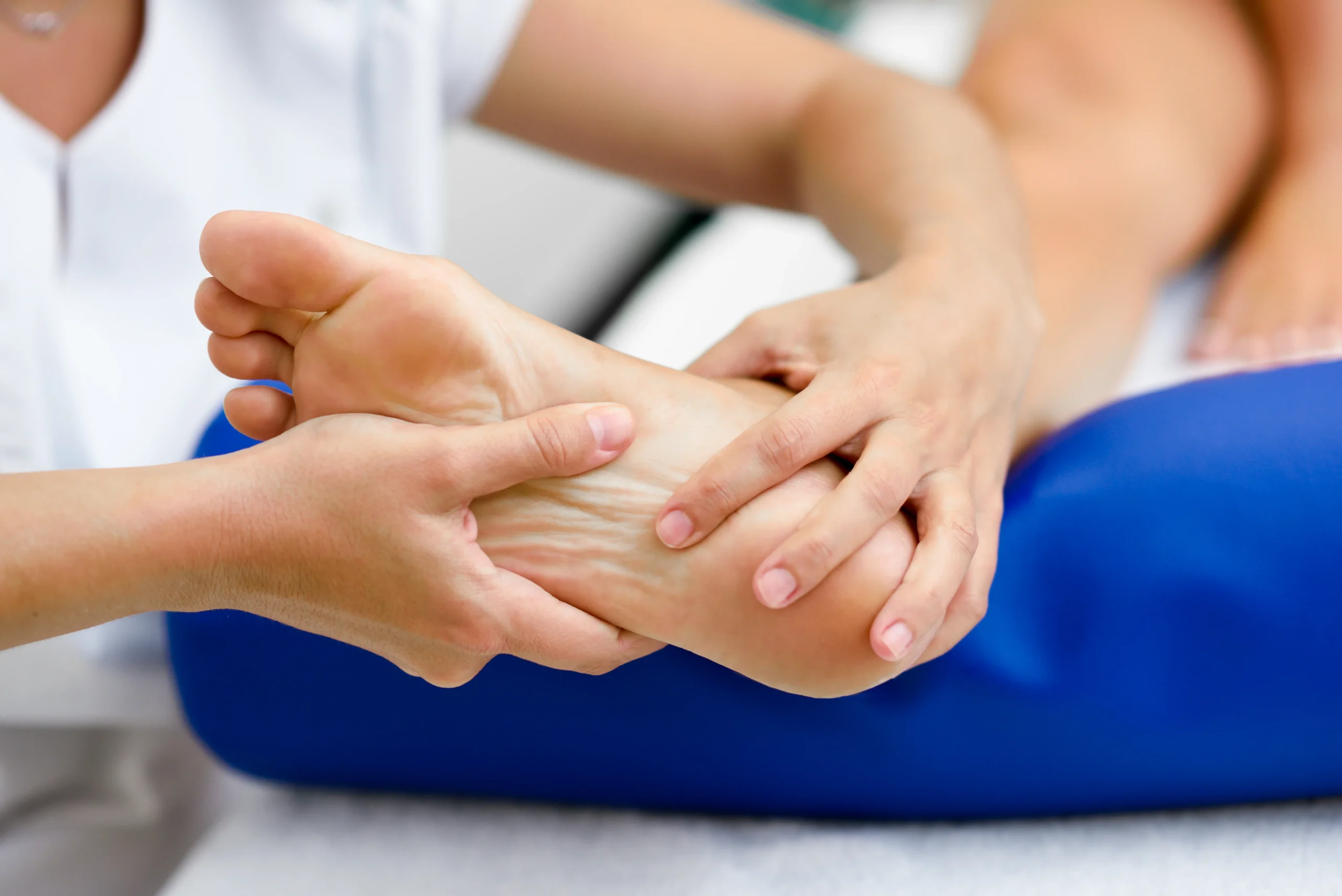
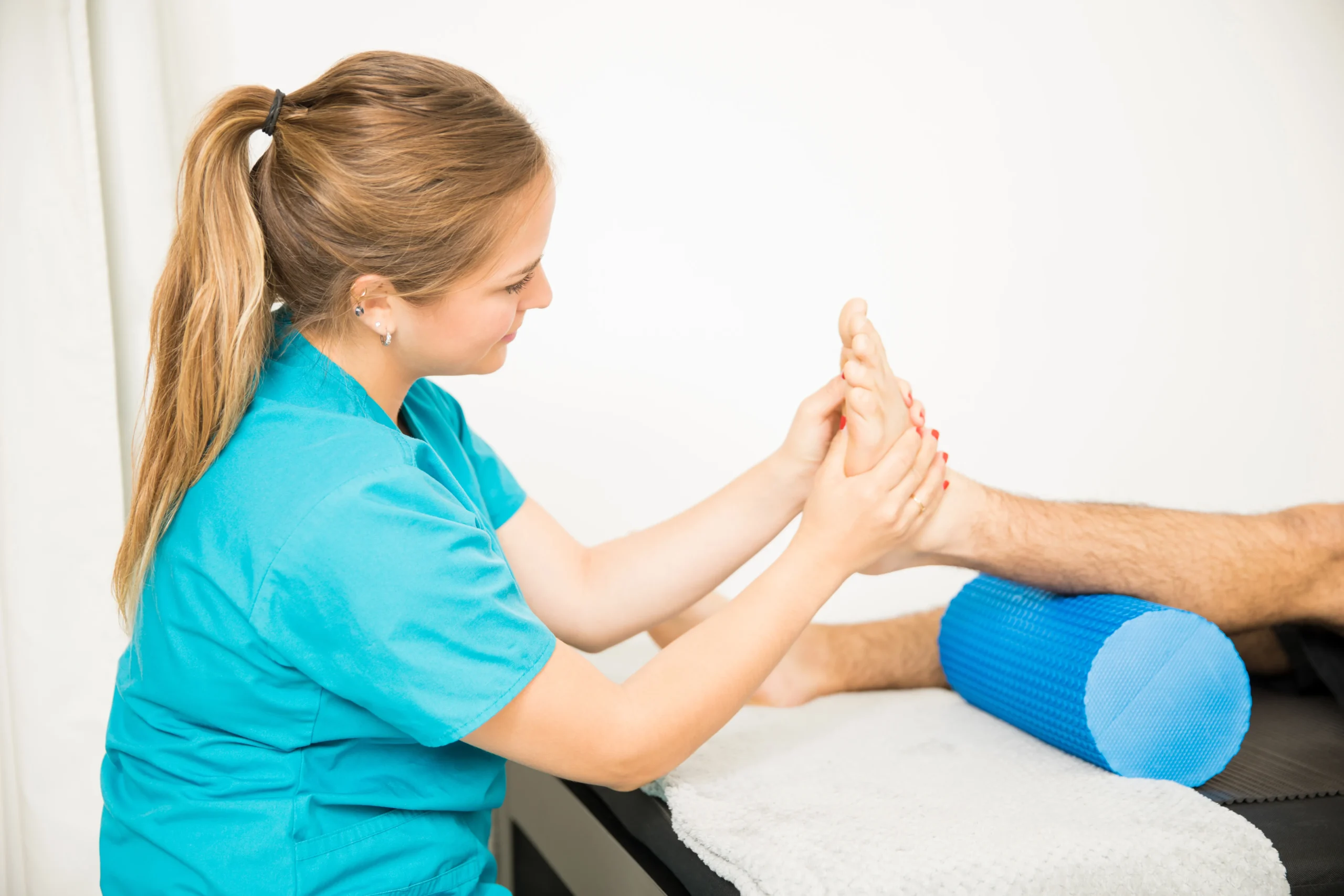
Treatment may include exercises, manual therapy techniques, mobility work, and movement retraining.
5. Progress Review
Functional improvements and symptom changes are monitored throughout the process.
6. Ongoing Support
Recommendations are provided to support foot function and maintain mobility over time.
Benefits of Hallux Valgus Treatment
Potential outcomes may include:
- Improved foot mobility
- Enhanced walking mechanics
- Increased flexibility of the big toe joint
- Improved balance and stability
- Reduced strain on surrounding joints
- Greater comfort during daily activities
- Improved participation in exercise and recreation
- Increased confidence with movement
- Support for foot function before or after surgery when appropriate
Who Does Reconnect Physiotherapy and Wellness Serve?
Reconnect Physiotherapy and Wellness serves:
- Adults.
- Older adults.
- Active individuals.
- Athletes.
- Office workers.
- Retail workers.
- Healthcare professionals.
- Individuals with mobility concerns.
- People managing foot and ankle conditions.
The clinic assists residents of Newmarket and surrounding communities seeking physiotherapy care for foot-related conditions.
Frequently Asked Questions
What is hallux valgus?
Hallux valgus is a condition where the big toe gradually shifts toward the smaller toes, creating a bunion at the base of the joint.
Can physiotherapy help with hallux valgus?
Physiotherapy can help improve mobility, foot function, movement patterns, and overall activity tolerance associated with hallux valgus.
Is surgery always required for hallux valgus?
Not always. Many individuals pursue conservative management options such as physiotherapy, footwear modifications, and exercise programs.
How long does treatment take?
The duration varies depending on the severity of the condition, mobility limitations, and individual goals.
Can hallux valgus affect walking?
Yes. Changes in toe alignment can alter walking mechanics and impact balance, mobility, and foot function.
Will I receive exercises to do at home?
Yes. Home exercises are often included to support progress between clinic visits.
Service Areas
Reconnect Physiotherapy and Wellness provides hallux valgus treatment for individuals in:
| Central Newmarket | Gorham-College Manor |
| Stonehaven-Wyndham | Aurora Heights / Aurora Village |
| Woodland Hill | Holland Landing |
| Summerhill Estates | Sharon |
Why Choose Reconnect Physiotherapy and Wellness?
Reconnect Physiotherapy and Wellness provides physiotherapy services focused on movement, mobility, and functional outcomes. The clinic’s team evaluates each individual’s condition, movement patterns, and activity goals to create a structured plan of care.
Patients receive:
- Thorough assessments
- Evidence-informed physiotherapy services
- One-on-one treatment sessions
- Functional exercise programs
- Ongoing progress monitoring
- Education to support daily activities and mobility
Related Services
Individuals seeking hallux valgus treatment may also be interested in:
- Foot and Ankle Physiotherapy
- Orthopedic Physiotherapy
- Custom Orthotics Assessment
- Gait Analysis
- Balance and Mobility Training
- Sports Injury Rehabilitation
- Arthritis Management
- Post-Surgical Rehabilitation
Contact Reconnect Physiotherapy and Wellness
If hallux valgus is affecting your walking, activity levels, or foot function, contact Reconnect Physiotherapy and Wellness in Newmarket, ON to schedule an assessment. Following your initial visit, a physiotherapist will evaluate your condition, discuss your goals, and outline the next steps for care.
Address: 600 Bray Cir Unit 2, Newmarket, ON L3Y 4W4, Canada
Phone: +1 647-622-7825