Head
Knee
Lower Limb
Hip & Low Back

Low Back Pain
Legg-Calvé-Perthes Disease
Leg Length Discrepancy
Herniated Disc
Foot and Ankle
Heel Pain
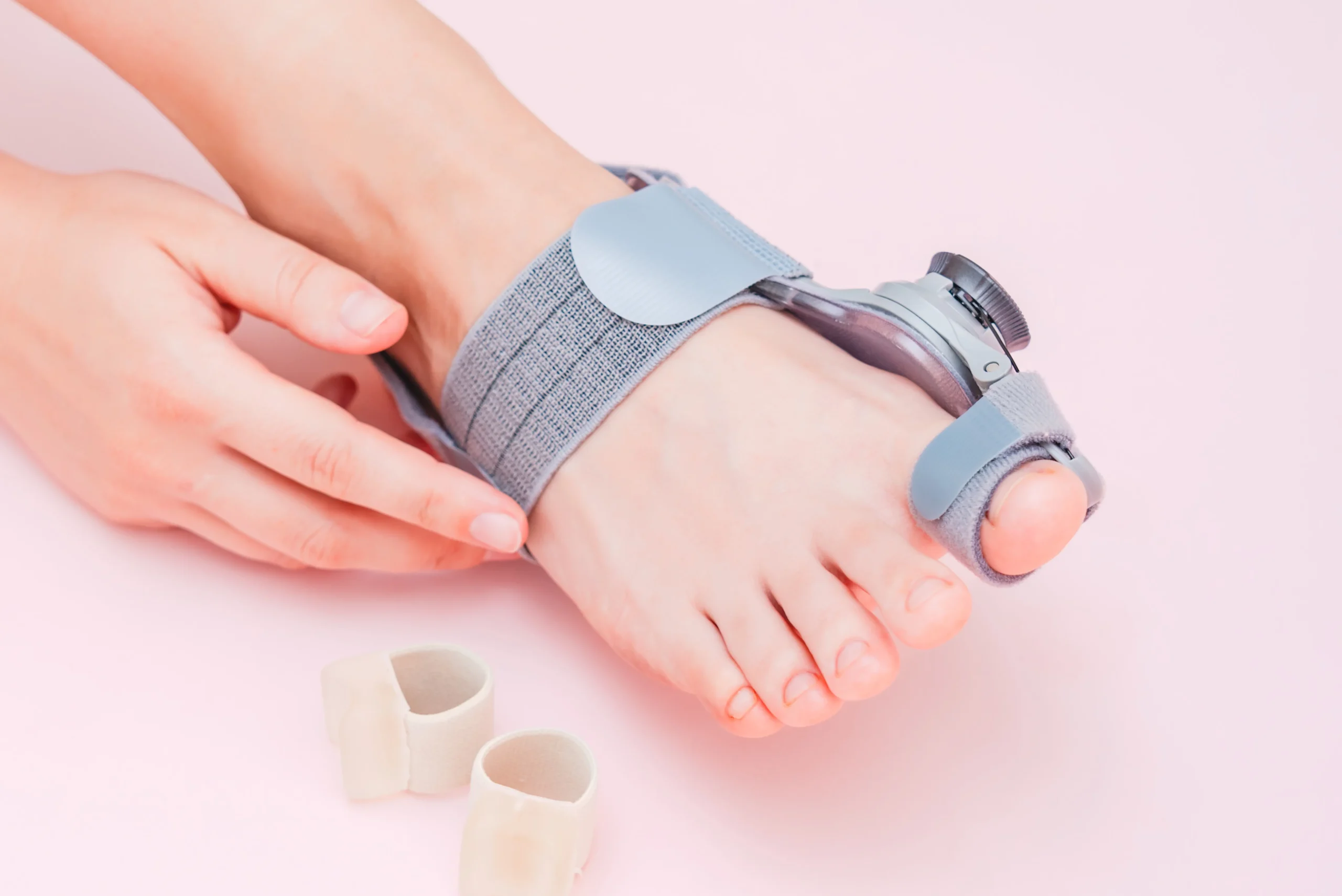
Hallux Valgus

Forefoot
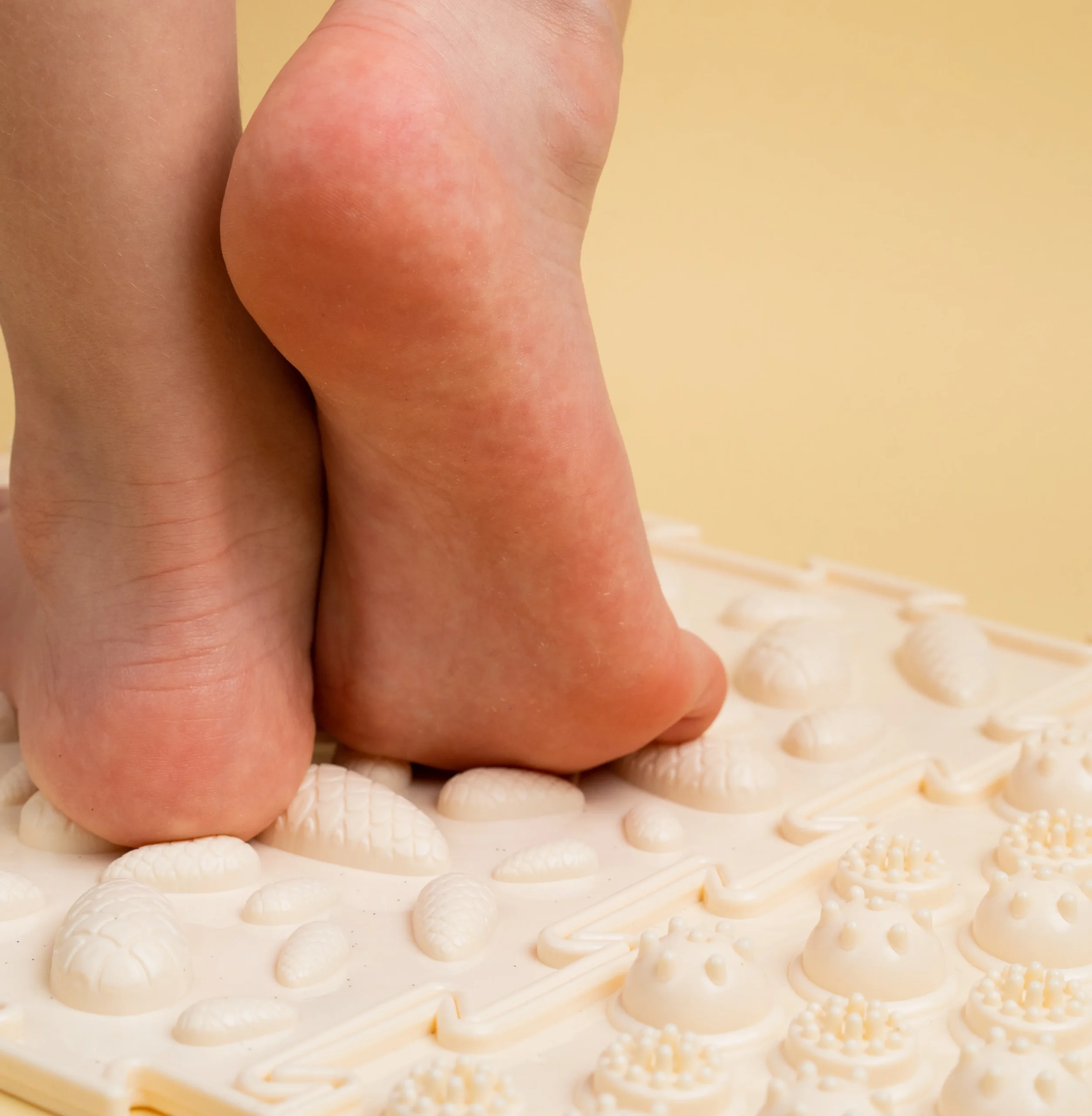
Flat Feet
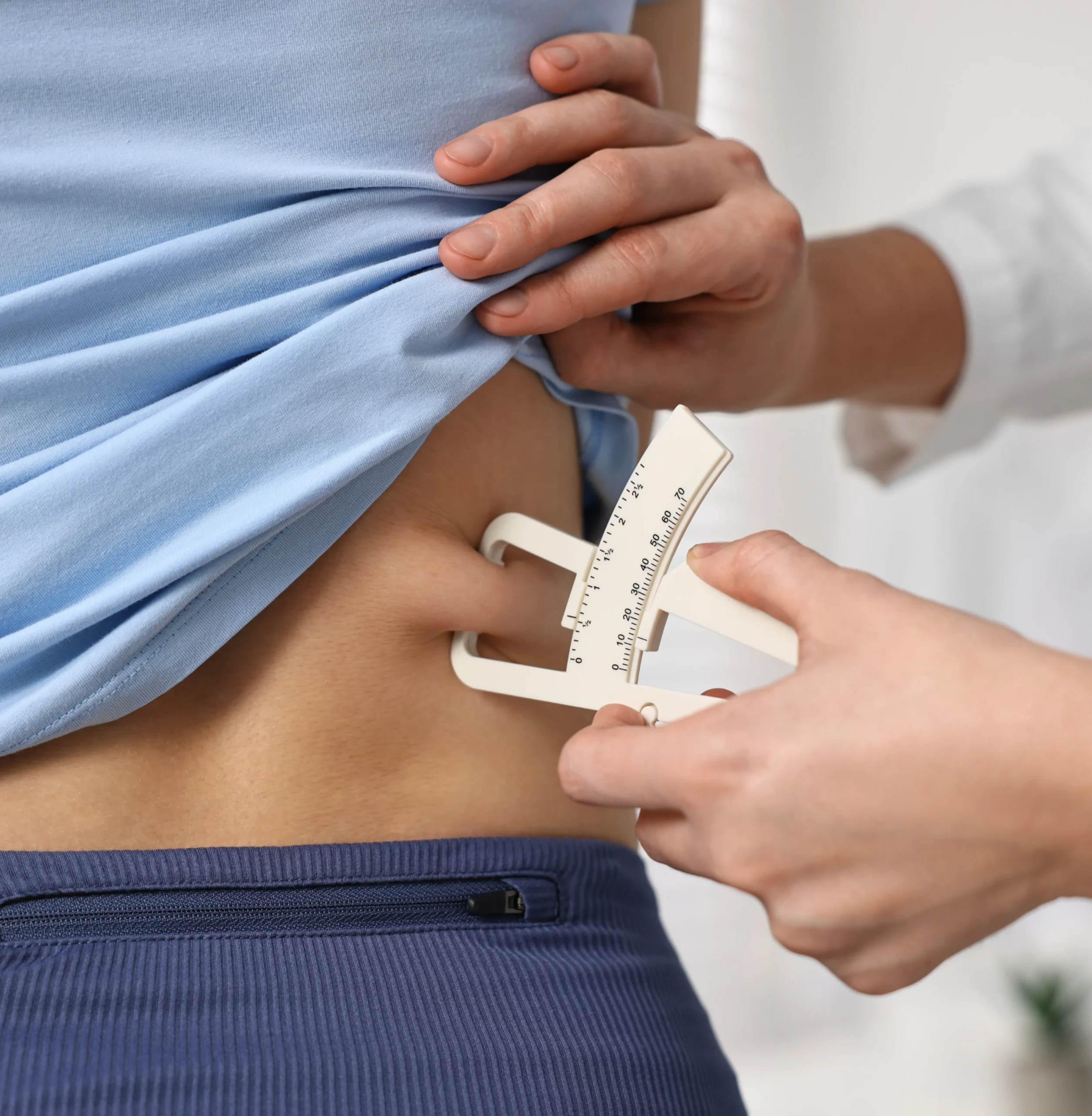
Fat Pad Atrophy
Diabetes
Capsulitis
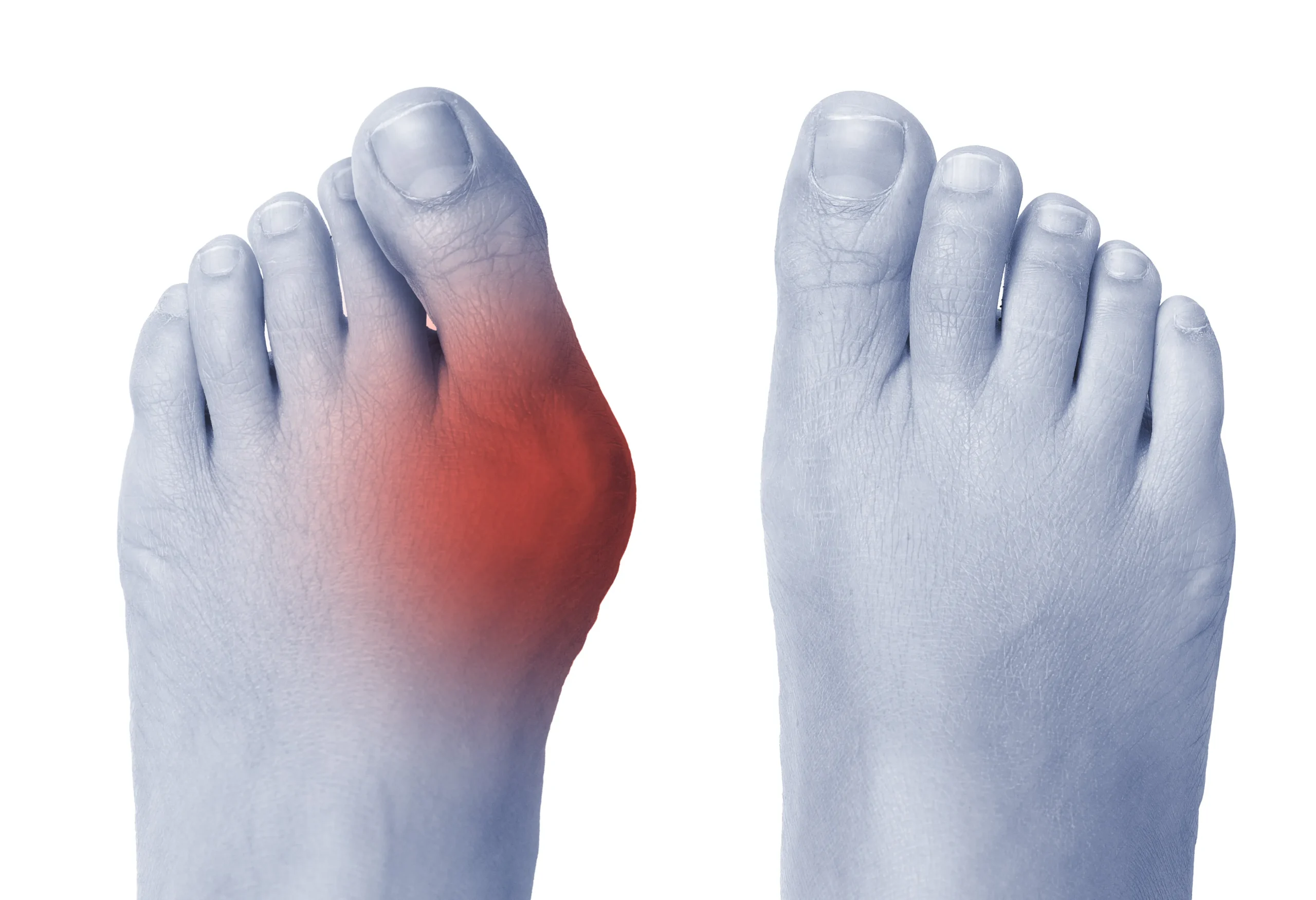
Bunions
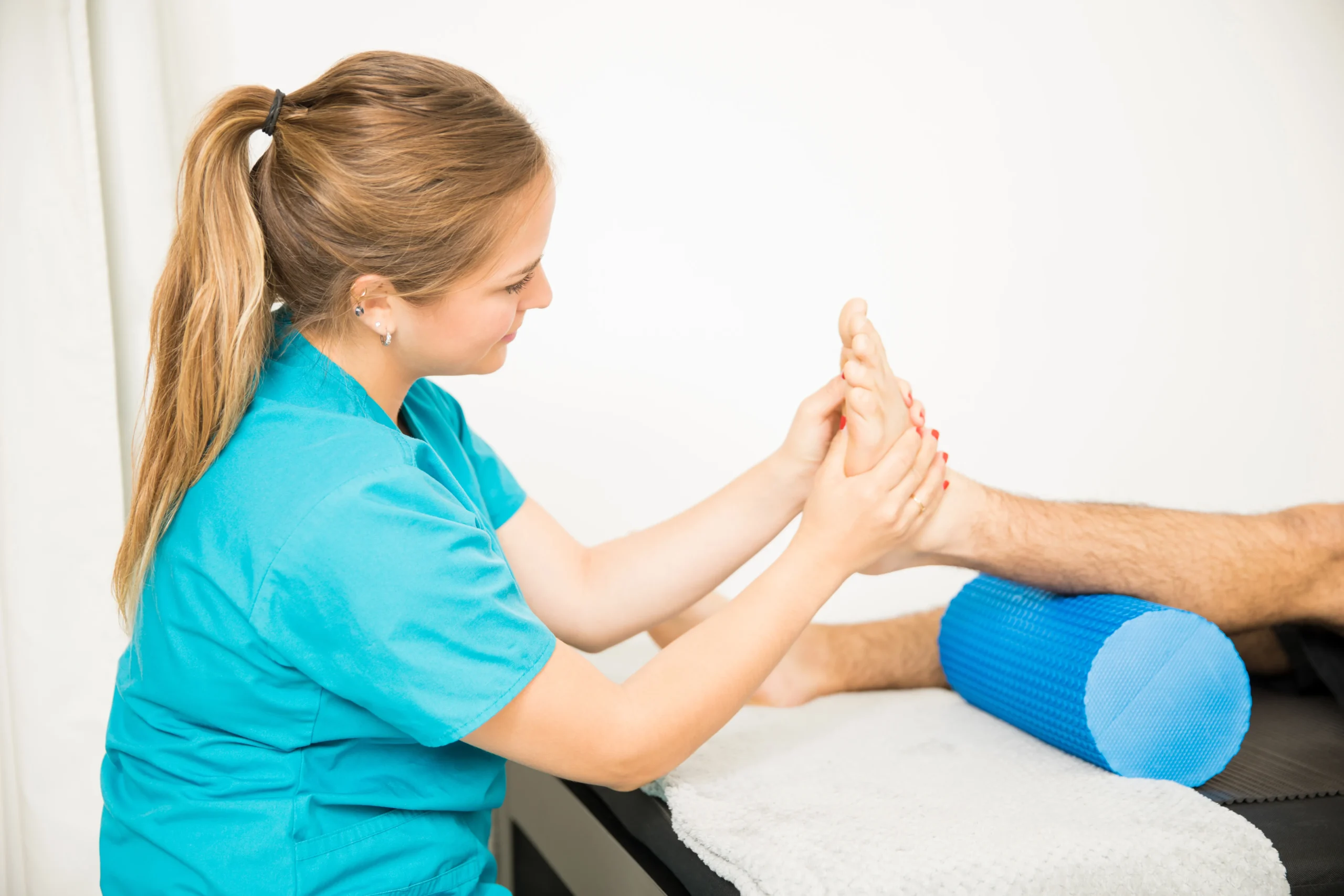
Foot Fracture

Arch Pain
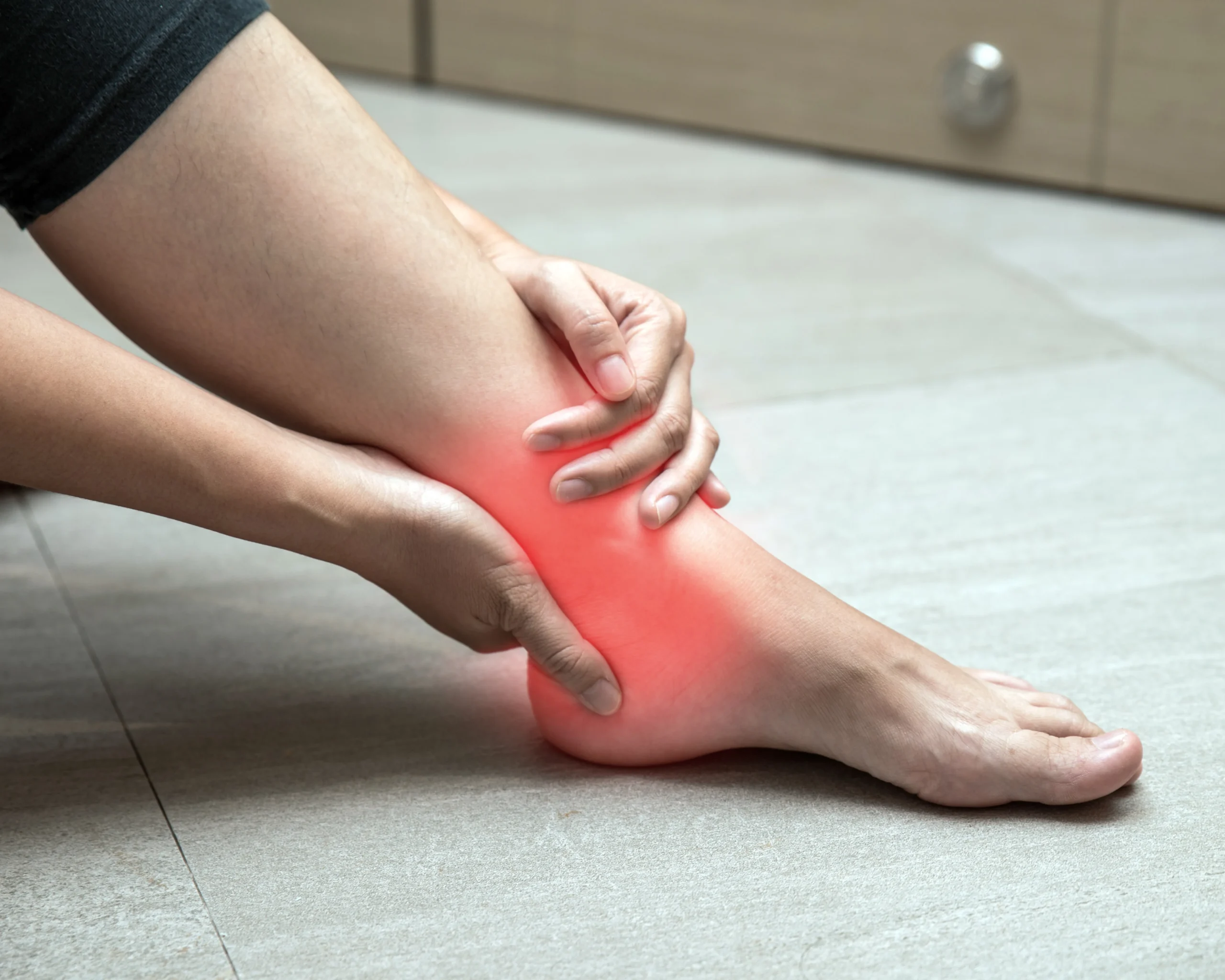
Anterior Ankle Impingement Syndrome

Ankle Injury
Upper Body

Rotator Cuff
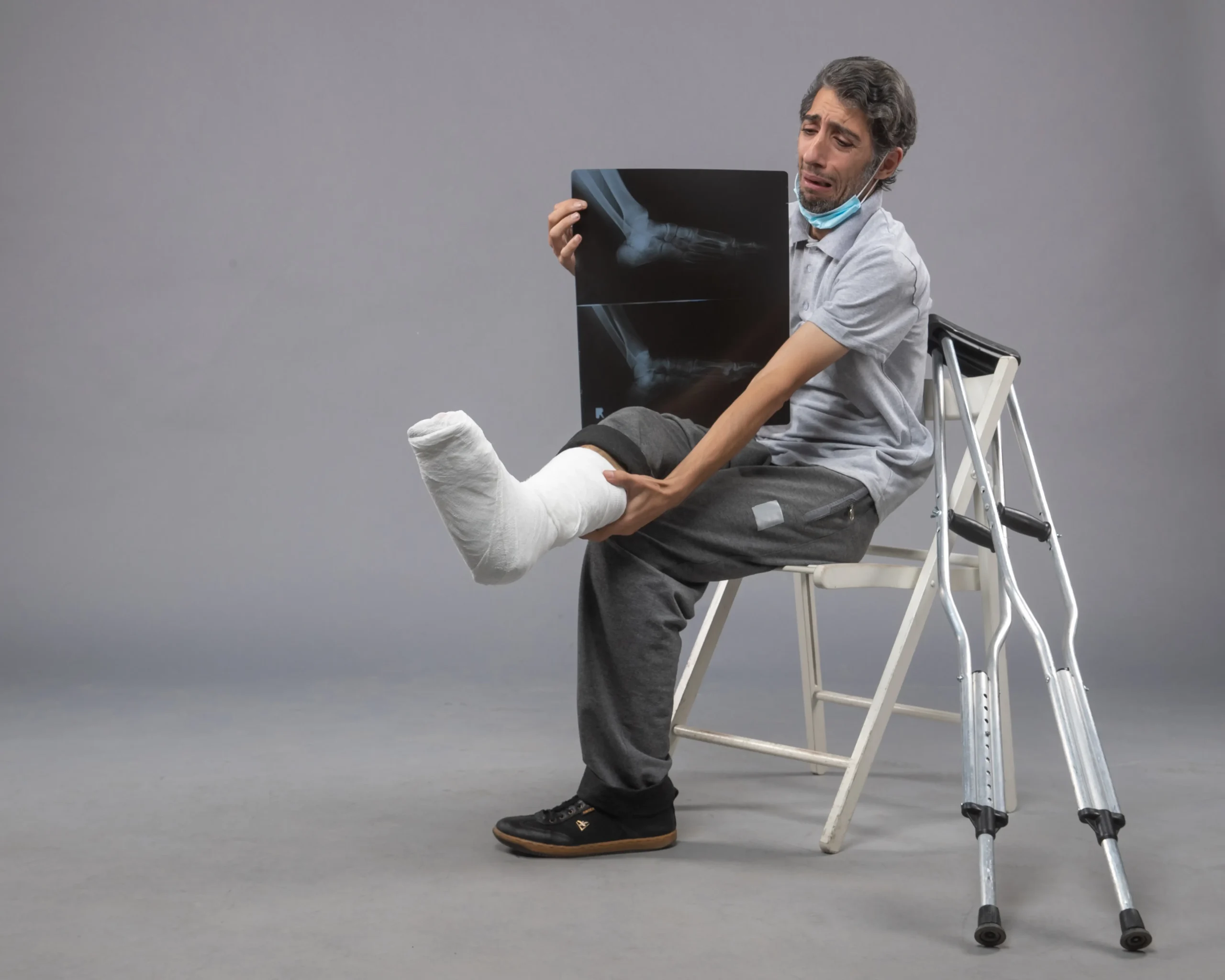
Fractures
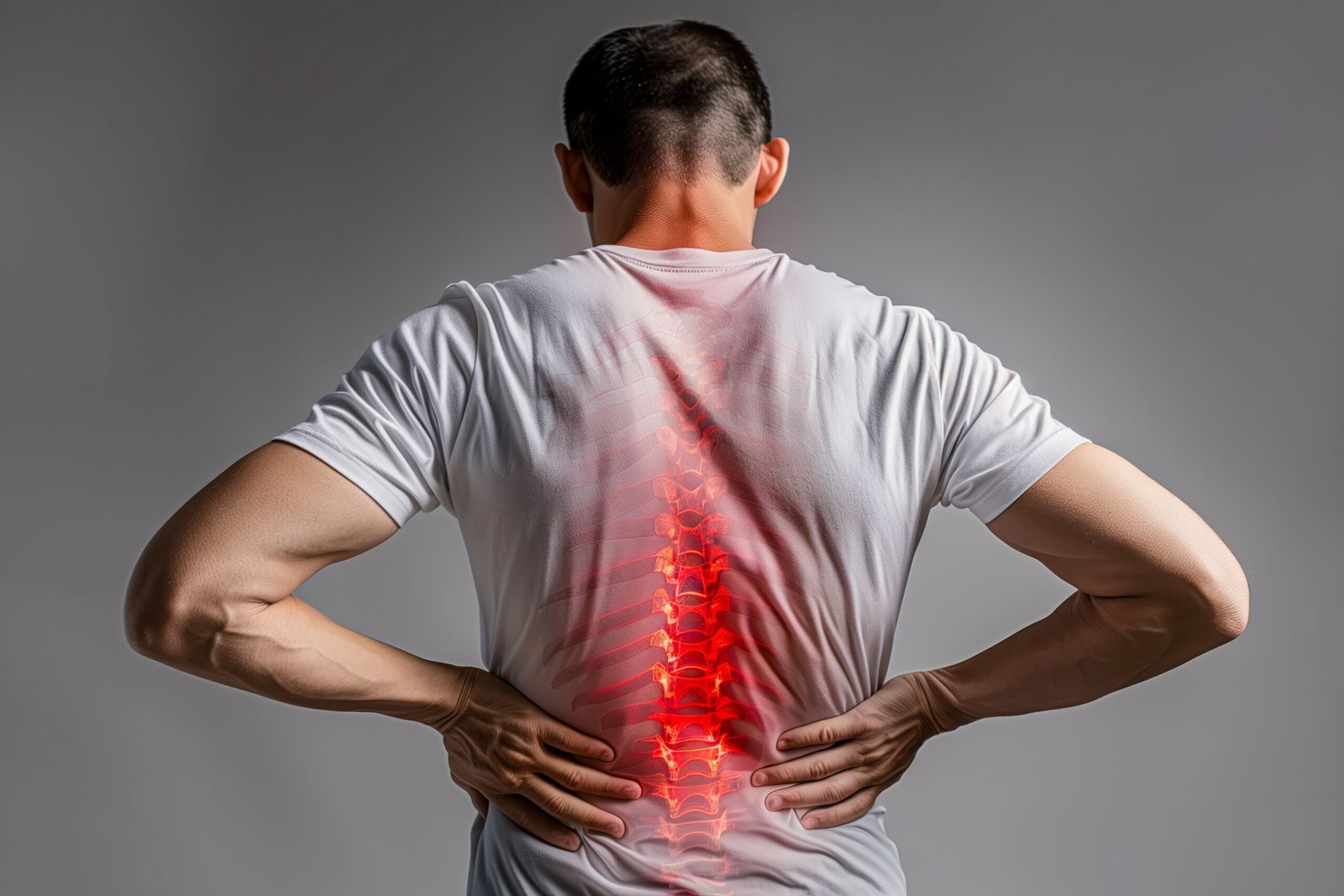
Chronic Back Pain
Need Expert Physiotherapy Care?
Get personalized treatment plans from experienced
physiotherapists.
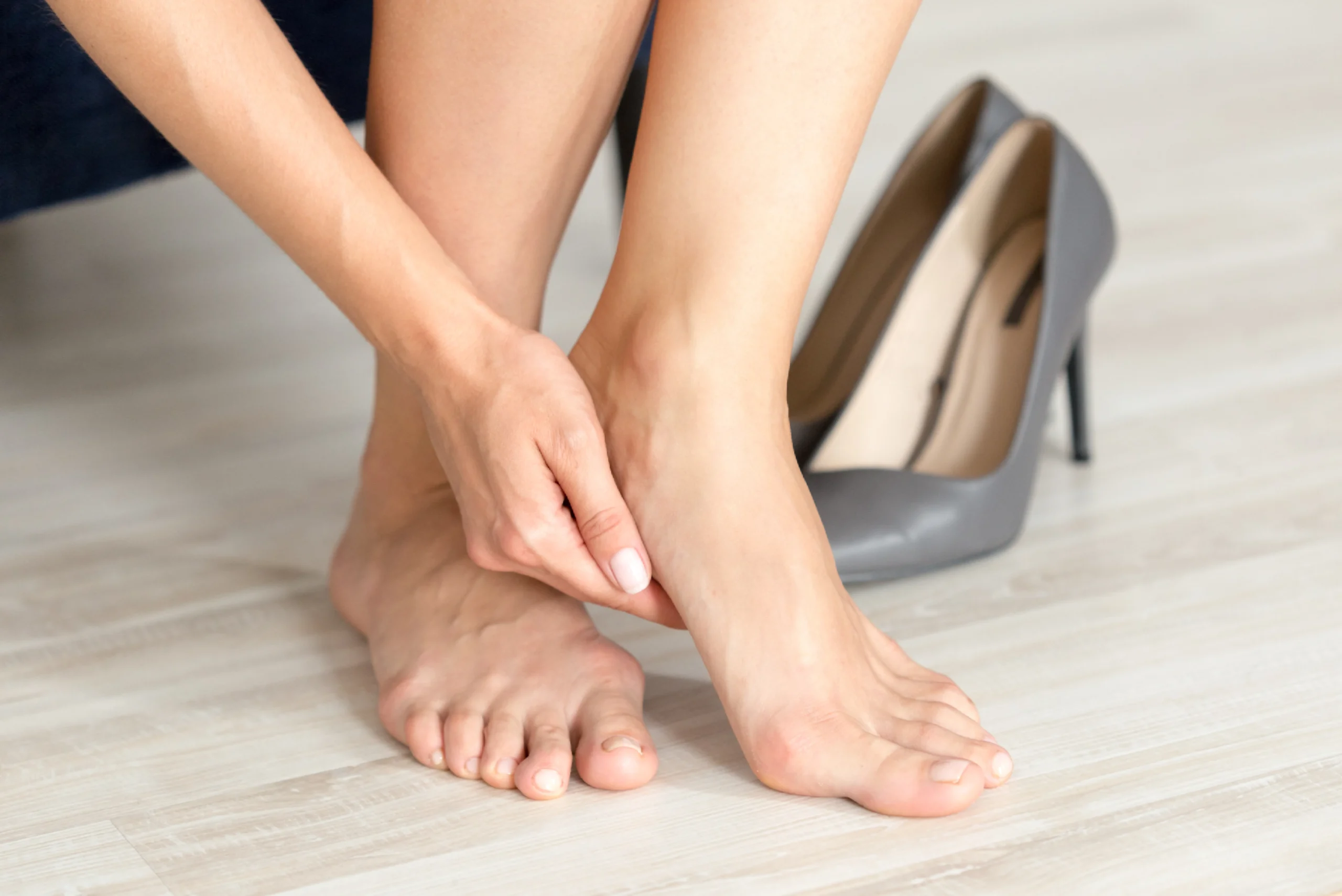
Heel Pain Treatment in Newmarket, ON
Heel pain can make everyday activities such as walking, standing, exercising, and climbing stairs difficult. It may develop gradually over time or appear suddenly after increased physical activity. At Reconnect Physiotherapy and Wellness in Newmarket, ON, we assess the underlying cause of heel pain and create a treatment plan focused on improving foot function, mobility, and comfort during daily movement.
Whether your symptoms are linked to plantar fasciitis, Achilles tendon issues, overuse, or biomechanical factors, physiotherapy can help address the underlying cause rather than simply managing symptoms.
What Is Heel Pain?
Heel pain refers to discomfort felt underneath, behind, or around the heel bone. It is one of the most common foot-related concerns and can affect people of all ages and activity levels.
The heel absorbs significant force during walking, running, and standing. When tissues surrounding the heel become irritated or overloaded, pain and stiffness can develop.
Common causes of heel pain include:
- Plantar fasciitis
- Achilles tendinopathy
- Heel spurs
- Bursitis
- Fat pad irritation
- Stress injuries
- Foot and ankle mobility restrictions
- Biomechanical imbalances
- Overuse from sports or occupational activities
Heel pain may be mild at first, but if left unaddressed, it can gradually interfere with movement and participation in everyday activities.
Who Can Benefit From Heel Pain Treatment?
Heel pain treatment may be suitable for:
Active Individuals
People who participate in running, walking, sports, fitness training, or recreational activities.
Working Professionals
Individuals who spend long hours standing, walking, or moving throughout the day.
Older Adults
People experiencing age-related changes in foot structure, flexibility, or strength.
Students
Children and teenagers are involved in sports or activities that repeatedly stress the feet.
Individuals Recovering From Injury
Those experiencing ongoing heel discomfort after a foot, ankle, or lower limb injury.
People With Recurring Foot Pain
Individuals whose symptoms repeatedly return despite rest or temporary symptom management.
What Problems Can Heel Pain Treatment Address?
Physiotherapy may help address:
- Pain when taking the first steps in the morning
- Heel discomfort after prolonged standing
- Pain during walking or running
- Stiffness in the foot or ankle
- Reduced mobility
- Difficulty exercising
- Pain during work-related activities
- Recurring foot and heel symptoms
- Achilles tendon discomfort
- Changes in walking patterns due to pain
- Reduced participation in sports and recreation
What Features and Deliverables Are Included in Heel Pain Treatment?
Comprehensive Assessment
What it includes
- Medical history review
- Movement analysis
- Foot and ankle examination
- Functional testing
Why it matters
Identifies contributing factors affecting the heel, foot, and lower limb.
Expected outcome
A clear diagnosis and treatment direction.
Movement and Biomechanical Analysis
What it includes
- Walking assessment
- Running assessment when appropriate
- Postural evaluation
- Lower limb mechanics review
Why it matters
Movement patterns can place additional stress on the heel.
Expected outcome
Identification of factors contributing to symptoms.
Exercise Program
What it includes
- Foot strengthening exercises
- Calf strengthening
- Flexibility work
- Balance training
Why it matters
Improves tissue capacity and function.
Expected outcome
Enhanced support for the foot and ankle.
Manual Therapy
What it includes
- Joint mobilization
- Soft tissue techniques
- Mobility-focused treatment
Why it matters
Can improve movement and reduce stiffness.
Expected outcome
Improved foot and ankle mobility.
Activity Modification Strategies
What it includes
- Exercise adjustments
- Activity recommendations
- Footwear considerations
Why it matters
Allows tissues to recover while maintaining activity levels.
Expected outcome
Reduced aggravation of symptoms.
Education and Prevention Planning
What it includes
- Home exercise recommendations
- Self-management strategies
- Progress monitoring
Why it matters
Supports recovery and reduces the likelihood of recurrence.
Expected outcome
Greater confidence in managing foot health.
How Does the Heel Pain Treatment Process Work?
1. Initial Consultation
A physiotherapist discusses your symptoms, activity levels, medical history, and goals.
2. Physical Assessment
A detailed evaluation of the foot, ankle, lower limb, and movement patterns is completed.
3. Treatment Planning
A structured treatment plan is developed based on assessment findings.
4. Treatment Sessions
Therapy may include exercises, manual therapy, mobility work, and movement retraining.
5. Progress Review
Your progress is monitored, and adjustments are made when necessary.
6. Ongoing Management
Strategies are provided to support continued improvement and help prevent future flare-ups.
What Are the Benefits of Heel Pain Treatment?
Potential outcomes may include:
- Improved walking comfort
- Easier participation in daily activities
- Improved foot and ankle mobility
- Increased strength and stability
- Reduced stiffness
- Improved movement patterns
- Support for recreational and athletic activities
- Reduced risk of recurring symptoms
- Greater confidence during physical activity
- Improved overall function
Which Individuals and Communities Does Reconnect Physiotherapy and Wellness Serve?
Reconnect Physiotherapy and Wellness serves:
- Adults
- Older adults
- Athletes
- Runners
- Students
- Office workers
- Retail employees
- Healthcare workers
- Trades professionals
- Active community members
Frequently Asked Questions
What causes heel pain?
Heel pain can result from plantar fasciitis, Achilles tendon issues, overuse, biomechanical factors, changes in foot structure, or repetitive stress.
How do I know if physiotherapy is appropriate for heel pain?
A physiotherapy assessment can determine the cause of your symptoms and identify whether physiotherapy is suitable for your situation.
How long does heel pain take to improve?
Recovery timelines vary depending on the cause, severity, duration of symptoms, activity levels, and adherence to the treatment plan.
Can I continue exercising while receiving treatment?
Many individuals can remain active with modifications that reduce stress on the affected tissues.
Is heel pain only caused by plantar fasciitis?
No. While plantar fasciitis is common, heel pain may also be related to Achilles tendon conditions, bursitis, stress injuries, mobility restrictions, or other foot-related concerns.
Will I receive exercises to do at home?
Yes. Home exercises are commonly included to support progress between appointments.
Service Areas
Reconnect Physiotherapy and Wellness provides heel pain treatment for individuals in:
| Central Newmarket | Gorham-College Manor |
| Stonehaven-Wyndham | Aurora Heights / Aurora Village |
| Woodland Hill | Holland Landing |
| Summerhill Estates | Sharon |
Why Choose Reconnect Physiotherapy and Wellness for Heel Pain Treatment in Newmarket?
Reconnect Physiotherapy and Wellness provides assessment and treatment services focused on identifying the factors contributing to heel pain and movement limitations.
Our team uses evidence-informed physiotherapy approaches to evaluate foot and ankle function, movement patterns, strength, flexibility, and activity demands. Treatment plans are developed around each individual’s goals, lifestyle, and daily activities.
Our clinic works with people experiencing recent heel pain, recurring symptoms, sports-related concerns, and activity-related foot discomfort.
Related Services
You may also be interested in:
- Physiotherapy
- Sports Injury Rehabilitation
- Running Injury Assessment
- Orthopedic Physiotherapy
- Manual Therapy
- Exercise Therapy
- Custom Orthotics
- Foot and Ankle Rehabilitation
- Balance and Mobility Training
Contact Reconnect Physiotherapy and Wellness
If heel pain is affecting your daily routine, work responsibilities, exercise participation, or recreational activities, the team at Reconnect Physiotherapy and Wellness in Newmarket, ON, can help identify contributing factors and develop a plan to improve movement and function.
Contact our clinic today to schedule an assessment. After reaching out, our team will discuss your concerns, answer your questions, and arrange an appointment at a convenient time.
Address: 600 Bray Cir Unit 2, Newmarket, ON L3Y 4W4, Canada
Phone: +1 647-622-7825