Head
Knee
Lower Limb
Hip & Low Back

General Hip Conditions

Pinched Nerve
Sciatica
Low Back Pain
Legg-Calvé-Perthes Disease
Leg Length Discrepancy
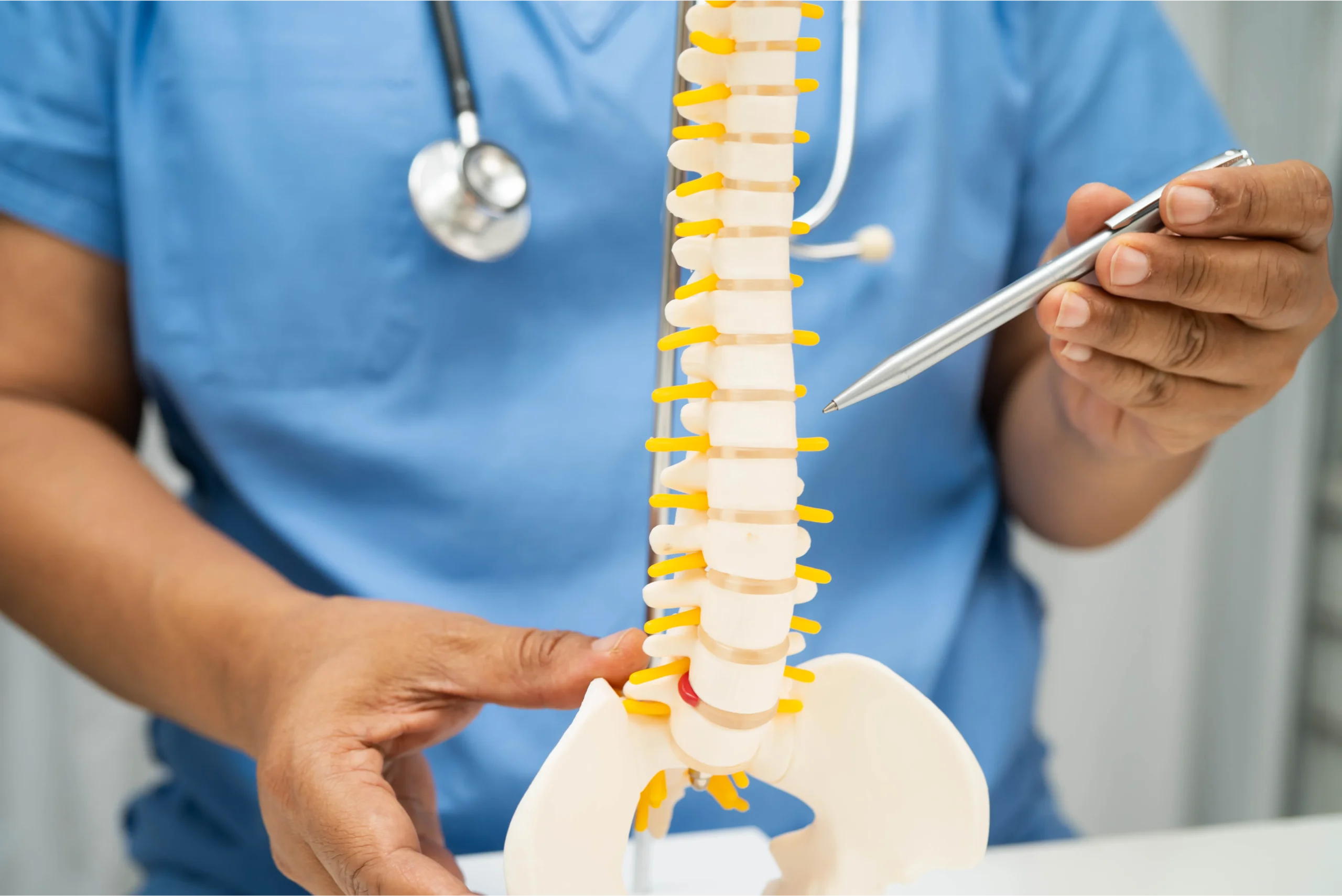
Herniated Disc
Foot and Ankle
Heel Pain
Hallux Valgus
Forefoot
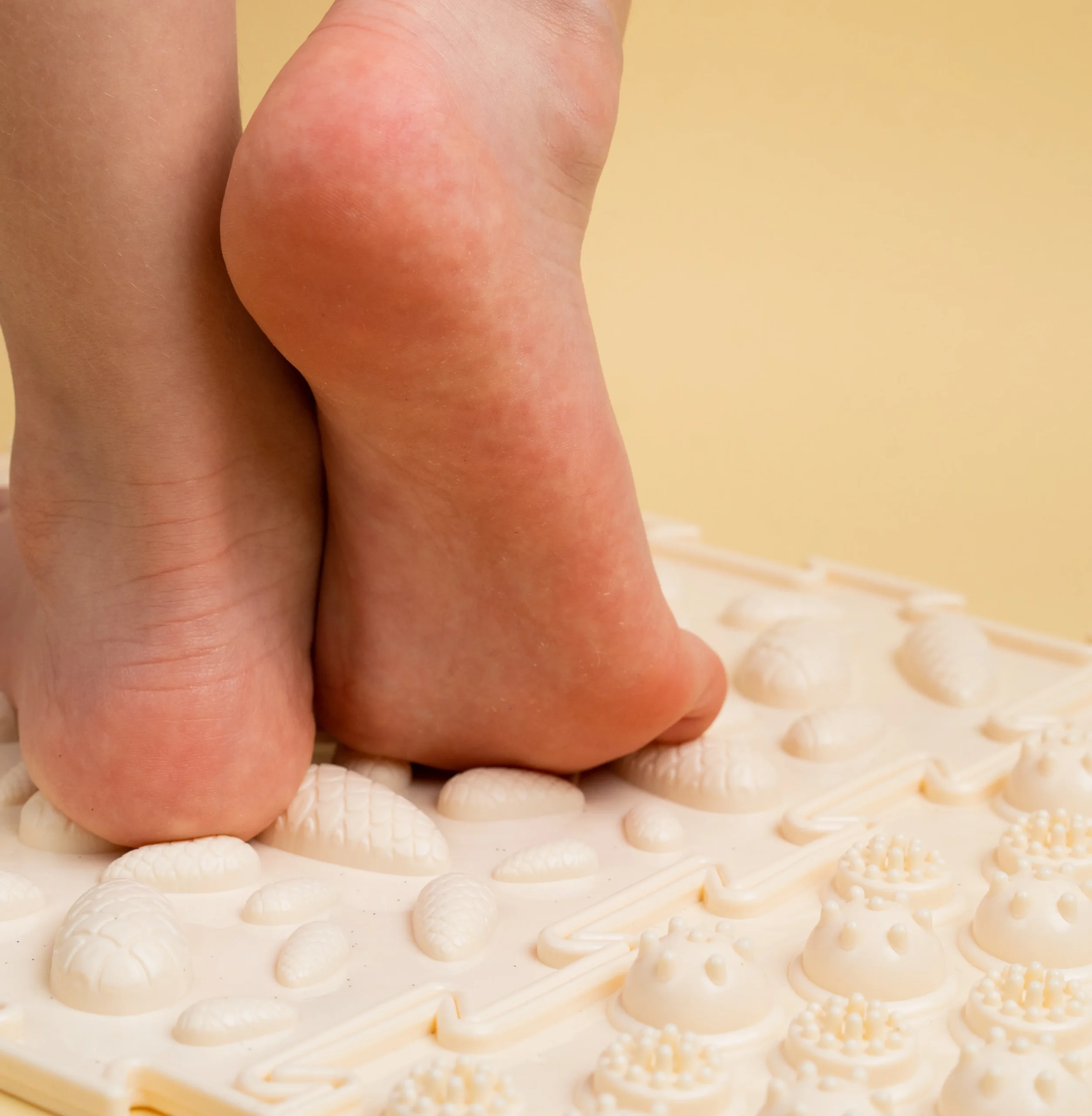
Flat Feet
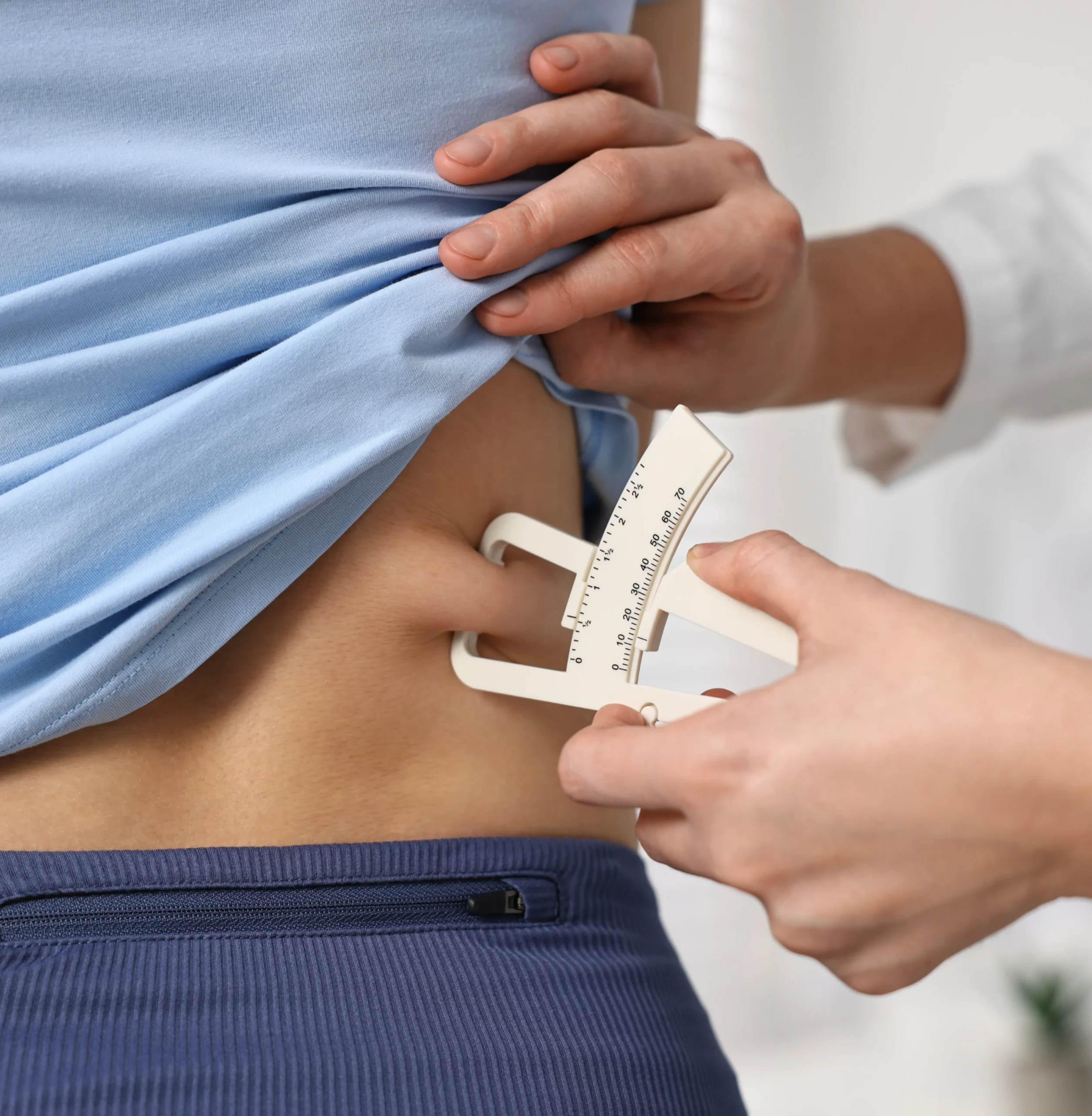
Fat Pad Atrophy
Diabetes
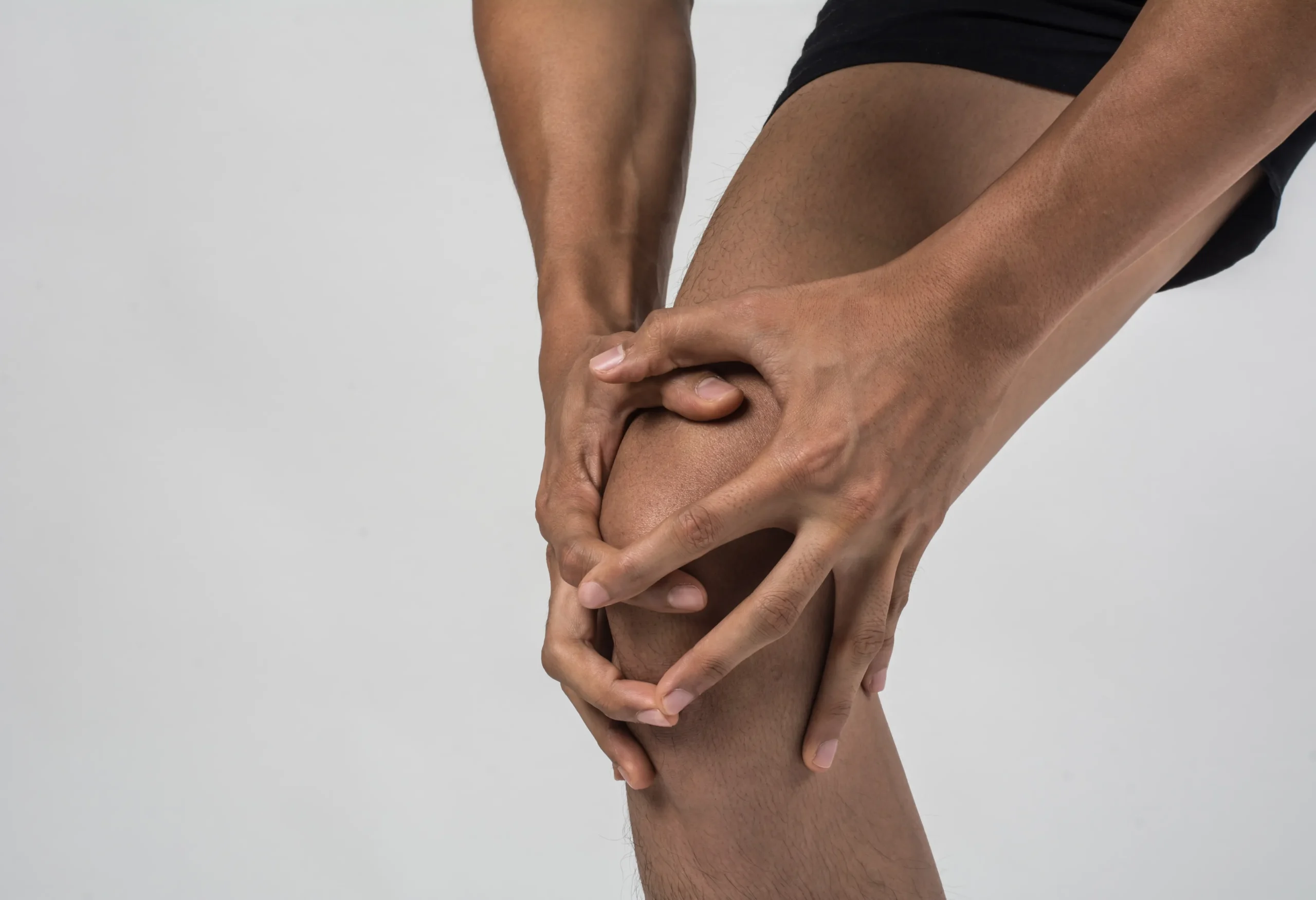
Capsulitis
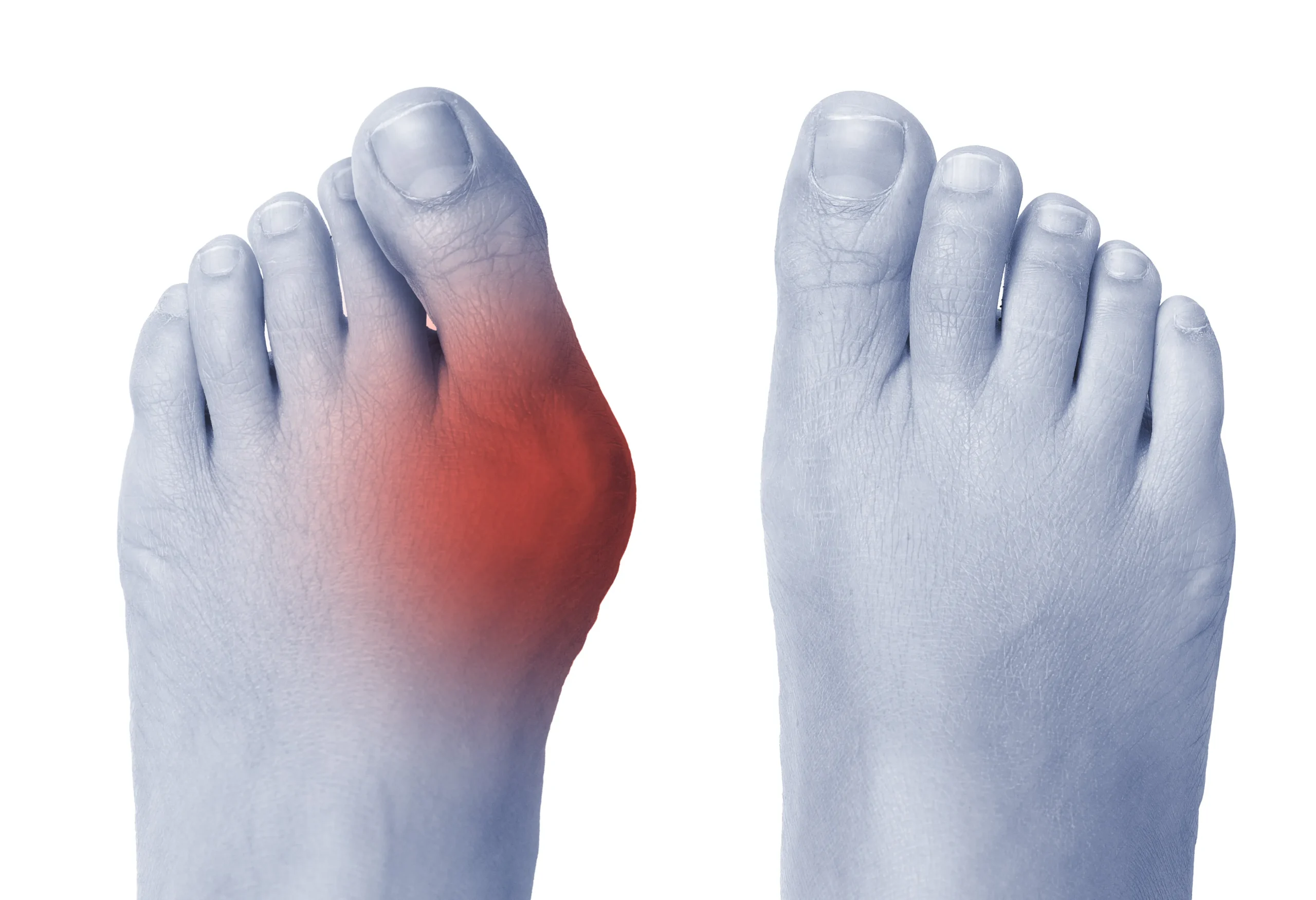
Bunions
Foot Fracture
Arch Pain
Anterior Ankle Impingement Syndrome
Ankle Injury
Upper Body
Rotator Cuff
Fractures
Chronic Back Pain
Need Expert Physiotherapy Care?
Get personalized treatment plans from experienced
physiotherapists.
Legg-Calvé-Perthes Disease Physiotherapy in Newmarket, ON
Legg-Calvé-Perthes Disease (LCPD) is a childhood hip condition that affects the blood supply to the femoral head, which is the rounded portion of the thigh bone that fits into the hip joint. As the blood supply becomes disrupted, the bone can weaken and change shape over time. Children with LCPD may develop hip pain, stiffness, limping, or reduced mobility.
At Reconnect Physiotherapy and Wellness in Newmarket, ON, we provide physiotherapy services for children diagnosed with Legg-Calvé-Perthes Disease. Our focus is on supporting joint mobility, maintaining muscle strength, improving movement patterns, and helping children stay active while following their healthcare team’s recommendations.
What Is Legg-Calvé-Perthes Disease (LCPD)?
Legg-Calvé-Perthes Disease is a pediatric orthopedic condition characterized by a temporary interruption of blood flow to the femoral head. Without an adequate blood supply, portions of the bone may weaken and gradually break down before the body begins rebuilding the area.
The condition most commonly affects children ages 4 to 10 and usually involves only one hip. Symptoms may develop gradually and can include:
- Limping
- Hip pain
- Groin discomfort
- Thigh or knee pain
- Reduced hip mobility
- Stiffness after physical activity
- Difficulty participating in sports or recreation
Physiotherapy often plays an important role at various stages of the condition, helping maintain mobility, strength, and functional movement.
Who Can Benefit From This Service?
This service may be appropriate for:
Children Diagnosed With LCPD
Children who have received a diagnosis and require movement-focused rehabilitation.
Families Seeking Conservative Management Support
Parents are looking for non-surgical strategies to help their child remain active and mobile.
Children Recovering After Orthopedic Intervention
Children who have undergone surgery or other orthopedic procedures related to LCPD.
Active Children Experiencing Movement Limitations
Young athletes or active children who are having difficulty participating in everyday activities due to hip symptoms.
Families Looking for Ongoing Monitoring
Children who require periodic reassessment as the condition progresses through different stages.
Problems This Service Solves
Physiotherapy for LCPD can help address challenges such as:
- Persistent limping
- Hip stiffness
- Reduced range of motion
- Muscle weakness around the hip and pelvis
- Difficulty walking long distances
- Limited participation in sports and recreation
- Poor balance and coordination
- Altered movement patterns
- Joint tightness
- Functional limitations during daily activities
These challenges often impact a child’s ability to move comfortably and participate in age-appropriate activities.
Key Features and Deliverables
Comprehensive Physiotherapy Assessment
What it includes:
- Review of symptoms and medical history
- Movement analysis
- Hip mobility testing
- Strength evaluation
- Functional assessment
Why it matters:
A detailed assessment identifies physical limitations and movement restrictions.
Expected outcome:
A clear rehabilitation roadmap based on the child’s current needs.
Mobility Restoration Program
What it includes:
- Hip mobility exercises
- Stretching techniques
- Joint movement strategies
Why it matters:
Maintaining motion may help reduce stiffness and support joint function.
Expected outcome:
Improved flexibility and movement quality.
Strength Development
What it includes:
- Hip strengthening exercises
- Core strengthening activities
- Lower-body conditioning
Why it matters:
Strong supporting muscles help stabilize the hip and improve movement efficiency.
Expected outcome:
Improved stability during walking and physical activity.
Gait Training
What it includes:
- Walking assessments
- Movement retraining
- Balance activities
Why it matters:
LCPD often alters walking patterns.
Expected outcome:
More efficient and coordinated movement.
Activity Modification Education
What it includes:
- Guidance regarding activity levels
- Movement recommendations
- Home exercise instruction
Why it matters:
Appropriate activity choices can help reduce excessive stress on the affected hip.
Expected outcome:
Safer participation in daily and recreational activities.
How the Process Works
1. Initial Consultation
We gather information about symptoms, medical history, imaging findings, and current activity limitations.
2. Physical Assessment
A physiotherapist evaluates mobility, strength, walking patterns, balance, and functional movement.
3. Treatment Planning
An individualized rehabilitation plan is created based on age, symptoms, and the condition’s stage.
4. Physiotherapy Sessions
Treatment may include mobility work, strengthening exercises, balance activities, and gait training.
5. Progress Monitoring
Regular reassessments track progress and identify any changes that require program adjustments.
6. Ongoing Support
Families receive continued instruction and recommendations to support progress at home and during activities.
Benefits of Legg-Calvé-Perthes Disease Physiotherapy
Children with LCPD may experience:
- Improved hip mobility
- Increased muscle strength
- Enhanced balance and coordination
- Improved walking mechanics
- Greater participation in daily activities
- Reduced movement restrictions
- Increased physical function
- Improved activity tolerance
- Structured rehabilitation throughout recovery
- Ongoing support during different stages of the condition
Industries and Customers Served
Reconnect Physiotherapy and Wellness serves:
- Children diagnosed with orthopedic conditions.
- Families seeking pediatric physiotherapy services
- Youth athletes
- School-aged children
- Pediatric healthcare referrals
- Orthopedic rehabilitation patients
- Community healthcare providers
- Families throughout Newmarket and the surrounding communities
Frequently Asked Questions
What is Legg-Calvé-Perthes Disease?
It is a childhood condition involving a temporary disruption of blood flow to the femoral head, which can affect hip development and movement.
Can physiotherapy help children with LCPD?
Physiotherapy is commonly used to support mobility, strength, balance, and functional movement throughout various stages of the condition.
What symptoms are associated with LCPD?
Common symptoms include limping, hip pain, groin discomfort, knee pain, stiffness, and reduced mobility.
How long does physiotherapy take?
The duration varies depending on the child’s age, symptom severity, condition stage, and overall goals.
Will my child receive home exercises?
Yes. Home exercises are often included to support progress between clinic visits.
Is physiotherapy used before or after surgery?
Physiotherapy may be used both before and after orthopedic procedures when recommended by the healthcare team.
Service Areas
Reconnect Physiotherapy and Wellness provides Legg-Calvé-Perthes Disease physiotherapy services for families in:
| Central Newmarket | Gorham-College Manor |
| Stonehaven-Wyndham | Aurora Heights / Aurora Village |
| Woodland Hill | Holland Landing |
| Summerhill Estates | Sharon |
Appointments are available for local residents seeking pediatric physiotherapy care.
Why Choose Reconnect Physiotherapy and Wellness?
Families choose Reconnect Physiotherapy and Wellness because we focus on evidence-informed physiotherapy care and functional rehabilitation.
Our clinic provides:
- Detailed physical assessments
- Pediatric rehabilitation support
- One-on-one physiotherapy sessions
- Individual exercise programming
- Functional movement evaluation
- Ongoing progress tracking
- Family-focused communication
- Convenient access for residents of Newmarket and surrounding communities
Related Services
Families seeking care for LCPD may also be interested in:
- Pediatric Physiotherapy
- Sports Injury Rehabilitation
- Orthopedic Rehabilitation
- Gait Analysis
- Balance and Coordination Training
- Post-Surgical Rehabilitation
- Strength and Conditioning Programs
- Functional Movement Assessments
Contact Reconnect Physiotherapy and Wellness
If your child has been diagnosed with Legg-Calvé-Perthes disease or is experiencing hip-related mobility challenges, contact Reconnect Physiotherapy and Wellness in Newmarket, ON, to schedule an assessment.
Our team will discuss your child’s symptoms, review current limitations, and determine the next steps for physiotherapy care. Following your initial visit, we will create a structured rehabilitation plan focused on mobility, strength, movement quality, and participation in daily activities.
Address: 600 Bray Cir Unit 2, Newmarket, ON L3Y 4W4, Canada
Phone: +1 647-622-7825