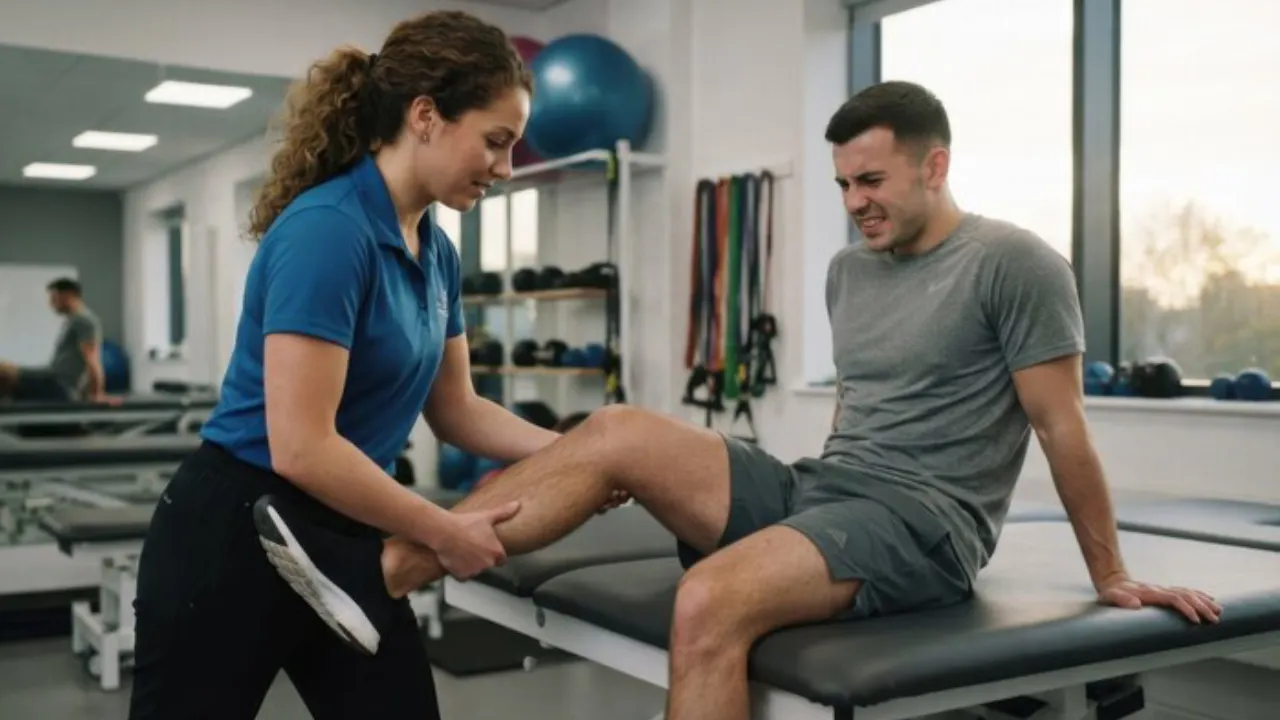
Staying Active While Protecting Your Body During Exercise
Physical activity plays an important role in maintaining physical fitness, supporting mobility, and promoting an active lifestyle. Whether someone enjoys running, cycling, swimming, weightlifting, recreational sports, or regular gym workouts, exercise helps keep the body moving and builds physical strength. However, improper movement patterns, muscle fatigue, repetitive activities, and insufficient recovery can increase the risk of physical strain and sports-related injuries.
For individuals in Newmarket, maintaining an active lifestyle also means paying attention to how the body responds to different physical activities. Muscle tightness, joint discomfort, reduced flexibility, and recurring sports injuries can make exercise more challenging. Developing safe movement habits and recognizing physical limitations can help individuals participate in their favourite activities while managing unnecessary strain.
Athletic therapy is one approach that focuses on physical function, injury assessment, rehabilitation, and movement training. It helps individuals address sports-related concerns while developing appropriate movement strategies for exercise and everyday activities. At Reconnect Physiotherapy and Wellness, individuals in Newmarket can explore care options that support physical activity, movement quality, and injury management.
What Is Athletic Therapy?
Athletic therapy is a form of rehabilitation focused on preventing, assessing, and managing musculoskeletal injuries. These injuries may involve muscles, joints, ligaments, tendons, and other structures responsible for movement.
Although the name is associated with athletics, this type of care is not limited to professional athletes. Recreational sports participants, gym members, runners, active adults, and individuals returning to physical activity may also benefit from an appropriate rehabilitation program.
The process generally begins with an assessment of the individual’s physical condition, movement patterns, injury history, and activity requirements. Based on the findings, a practitioner may recommend exercises, movement modifications, strength activities, and rehabilitation strategies.
The primary aim is to help individuals move with improved coordination, manage physical strain, and participate in activities according to their current abilities.
Why Safe Movement Matters During Exercise
Exercise involves repeated muscle contractions, joint movements, and changes in body position. When these movements are performed with poor technique or excessive intensity, certain body structures may experience unnecessary stress.
Safe movement involves more than lifting lighter weights or avoiding difficult exercises. It includes maintaining appropriate posture, controlling movement speed, using suitable exercise techniques, and allowing sufficient recovery between sessions.
Several factors can influence movement safety:
1. Exercise Technique: Incorrect lifting, running, or jumping techniques may place additional stress on particular muscles and joints.
2. Muscle Strength: Weakness in supporting muscle groups can affect stability and movement control.
3. Flexibility: Limited flexibility may restrict comfortable movement during certain exercises.
4. Physical Fatigue: Exercising when muscles are tired can affect coordination and movement accuracy.
5. Training Frequency: Repeating demanding activities without adequate recovery may contribute to recurring strain.
Recognizing these factors can help individuals make informed decisions about their exercise routines.
How Athletic Therapy Supports Safe Movement During Exercise
A structured rehabilitation approach can help individuals identify movement concerns and develop practical strategies for physical activity.
1. Identifying Incorrect Movement Patterns
Some individuals develop movement habits that place additional pressure on specific muscles or joints. For example, a runner may demonstrate uneven weight distribution, while someone performing squats may have difficulty maintaining appropriate knee and hip alignment.
An assessment can identify these patterns and highlight areas that may require attention.
Practitioners may observe walking, running, lifting, balancing, and other functional movements. This information can help determine whether particular movement habits contribute to discomfort or recurring physical strain.
2. Improving Muscle Strength
Muscle strength contributes to joint support, balance, and physical stability. When certain muscle groups are weaker than others, the body may compensate by placing additional demands on surrounding structures.
Exercise programs may include strengthening activities for the legs, hips, shoulders, abdominal muscles, and back, depending on individual requirements.
For example, strengthening the hip and thigh muscles may support improved lower-body control during running, jumping, and squatting.
3. Supporting Flexibility and Mobility
Restricted movement can make certain physical activities difficult. Tight muscles and limited joint mobility may affect how comfortably an individual performs everyday movements or exercise routines.
Mobility exercises, stretching activities, and controlled movement training may be included in rehabilitation plans.
These activities can help individuals work on their available range of motion while maintaining appropriate movement control.
4. Developing Balance and Coordination
Balance and coordination are important for activities such as walking, running, cycling, playing basketball, and performing resistance exercises.
Poor balance may increase the likelihood of awkward movements, particularly during activities that involve sudden changes in direction.
Athletic therapy may incorporate balance exercises, single-leg activities, controlled weight transfers, and coordination drills to address specific movement concerns.
5. Encouraging Appropriate Exercise Progression
Increasing exercise intensity too quickly can place unnecessary demands on muscles and joints.
A gradual approach allows individuals to build physical capacity according to their current condition. Practitioners may recommend changes to exercise duration, resistance, repetitions, or frequency.
This approach can be useful for individuals returning to physical activity following an injury or an extended break from exercise.
How Athletic Therapy Helps Manage Repeated Sports-Related Strain
Repeated sports-related strain can develop when muscles, tendons, and other tissues are exposed to recurring physical demands without sufficient recovery or appropriate movement adjustments.
Unlike a sudden injury caused by a fall or collision, repetitive strain may develop gradually. Individuals sometimes continue exercising despite early signs of discomfort, which can make identifying the original problem more difficult.
Athletic therapy can help address these concerns through assessment, movement training, strengthening activities, and adjustments to physical routines.
1. Identifying the Source of Repeated Strain
Recurring discomfort may involve several contributing factors. These can include poor exercise technique, muscle weakness, limited mobility, sudden increases in training volume, or insufficient recovery.
An assessment helps examine the affected area and the movements associated with discomfort.
For example, a person who regularly experiences shoulder discomfort during weightlifting may need an assessment of shoulder mobility, upper-body strength, posture, and lifting technique.
Identifying contributing factors can help determine which activities or movement habits require attention.
2. Addressing Muscle Imbalances
Repeated physical activities may place greater demands on certain muscle groups than others.
Runners, for instance, may rely heavily on particular lower-body muscles. Similarly, individuals who regularly perform upper-body exercises may develop differences in strength between supporting muscle groups.
Rehabilitation exercises can address identified weaknesses and help improve coordination between different muscle groups.
The exercises selected depend on the individual’s assessment findings and activity requirements.
3. Modifying Repetitive Activities
Continuing the same exercise routine despite recurring discomfort may increase physical strain.
Practitioners may suggest temporary changes to exercise selection, training intensity, movement range, or workout frequency.
For example, a runner experiencing recurring knee discomfort may need to review running distance, surface conditions, footwear, and lower-body strength activities.
These adjustments can help individuals manage physical demands while working towards a gradual return to their regular routines.
4. Building Strength for Repeated Physical Demands
Muscles and supporting structures need sufficient capacity to handle the demands of regular sports participation.
Progressive strengthening activities may help improve muscular endurance and movement control.
Depending on the activity, exercises may focus on the calves, hamstrings, quadriceps, glutes, abdominal muscles, shoulders, or upper back.
The goal is to develop strength that supports the movements required during sports and exercise.
5. Monitoring Recovery and Exercise Tolerance
Recovery is an important part of managing repeated strain. Muscles and other tissues require time to adapt to physical demands.
Rehabilitation plans may include gradual exercise progression, appropriate rest periods, and regular reviews of movement ability.
Individuals can also monitor signs such as increasing discomfort, swelling, reduced movement, and changes in exercise performance.
If symptoms persist or become more severe, a qualified healthcare professional should assess the condition.
Common Sports-Related Concerns That May Require Attention
Different activities place different demands on the body. Some common concerns among physically active individuals include:
- Runner’s knee: Discomfort around the kneecap that may become noticeable during running, squatting, or climbing stairs.
- Shoulder strain: Discomfort associated with repetitive overhead movements, swimming, or weightlifting.
- Hamstring strain: An injury that may occur during sprinting, sudden acceleration, or rapid changes in direction.
- Ankle sprains: Injuries involving the ligaments around the ankle, commonly associated with twisting or awkward landings.
- Tennis elbow: Discomfort around the outer elbow that may be associated with repetitive gripping and arm movements.
- Lower back strain: Physical discomfort that may develop during lifting, bending, or repeated athletic movements.
The appropriate rehabilitation approach depends on the nature and severity of the injury, the individual’s health history, and their activity requirements.
Everyday Habits That Support Safe Exercise
Alongside professional assessment and rehabilitation, individuals can adopt practical habits to support safe participation in physical activities.
Warm Up Before Exercise: Begin with light movement and activity-specific preparation to gradually increase physical demands.
Maintain Proper Technique: Pay attention to posture, alignment, and controlled movements during exercise.
Increase Training Gradually: Avoid sudden increases in workout intensity, duration, or resistance.
Allow Recovery Time: Include rest days and adjust activity levels when experiencing unusual fatigue or discomfort.
Stay Hydrated: Drink sufficient water before, during, and after physical activity.
Pay Attention to Warning Signs: Persistent discomfort, swelling, weakness, or restricted movement should not be ignored.
Maintain Consistency: Regular, manageable exercise sessions can help develop physical capacity without unnecessary increases in training demands.
Why Consider Reconnect Physiotherapy and Wellness in Newmarket?
Maintaining an active lifestyle requires attention to movement quality, physical strength, and injury management. Individuals experiencing recurring sports-related strain may benefit from an assessment that considers their activity patterns and physical requirements.
Reconnect Physiotherapy and Wellness serves individuals in Newmarket who are looking for physiotherapy and rehabilitation support. Whether someone participates in recreational sports, follows a regular gym routine, or is returning to exercise following an injury, discussing movement concerns with a qualified practitioner can help identify appropriate next steps.
A rehabilitation plan may involve movement assessment, strengthening exercises, mobility activities, functional training, and recommendations for modifying physical activities.
The focus is on addressing individual movement concerns while helping people make informed decisions about exercise participation and physical activity.
Frequently Asked Questions
1. What does Athletic Therapy involve?
Athletic Therapy involves the assessment, prevention, and management of musculoskeletal injuries. It may include movement assessments, strengthening exercises, mobility training, balance activities, and rehabilitation strategies.
2. Can Athletic Therapy help with recurring sports injuries?
Yes. It may help identify contributing factors such as muscle weakness, movement limitations, poor exercise technique, and repetitive physical demands. Rehabilitation activities can then address these concerns.
3. Is Athletic Therapy only for professional athletes?
No. Recreational athletes, gym members, runners, active adults, and individuals returning to exercise may also seek this type of care.
4. How can I reduce the risk of repeated sports-related strain?
Maintain appropriate exercise technique, increase training intensity gradually, include recovery periods, develop muscle strength, and pay attention to early signs of discomfort.
5. When should I seek professional help for exercise-related discomfort?
Consider an assessment if discomfort continues, returns during exercise, limits movement, or affects everyday activities. Sudden severe pain, significant swelling, or an inability to bear weight may require prompt medical attention.
Take the Next Step
Staying active involves more than completing workouts. It also requires attention to movement patterns, muscle strength, flexibility, and recovery. Addressing recurring physical strain and developing safe exercise habits can help individuals make informed decisions about their activity routines.
If you are experiencing sports-related discomfort, recurring muscle strain, or movement difficulties, contact Reconnect Physiotherapy and Wellness to discuss your concerns and arrange an assessment in Newmarket.
Phone: +1 647-622-7825

How Psychotherapy Encourages Self-Awareness and Emotional Growth
7 Benefits of Pediatric Physiotherapy for Growing Children
8 Ways Physiotherapy Can Help with Muscle Tension and Tightness

6 Reasons Massage Therapy Is Popular for Muscle and Body Care

7 Reasons to Consider Psychotherapy During Difficult Life Changes

7 Physiotherapy Tips for Reducing Everyday Joint Stiffness
7 Urgent Reasons Pelvic Physiotherapy Matters During Pregnancy (What Many Expectant Mothers Notice Too Late)
What Is Manual Lymphatic Drainage, and What Are The Benefits Of Manual Lymphatic Drainage?

Pelvic Girdle Pain in Pregnancy and How Pelvic Physio Can Help
Need Expert Physiotherapy Care?
Get personalized treatment plans from experienced
physiotherapists.