Need Expert Physiotherapy Care?
Get personalized treatment plans from experienced
physiotherapists.
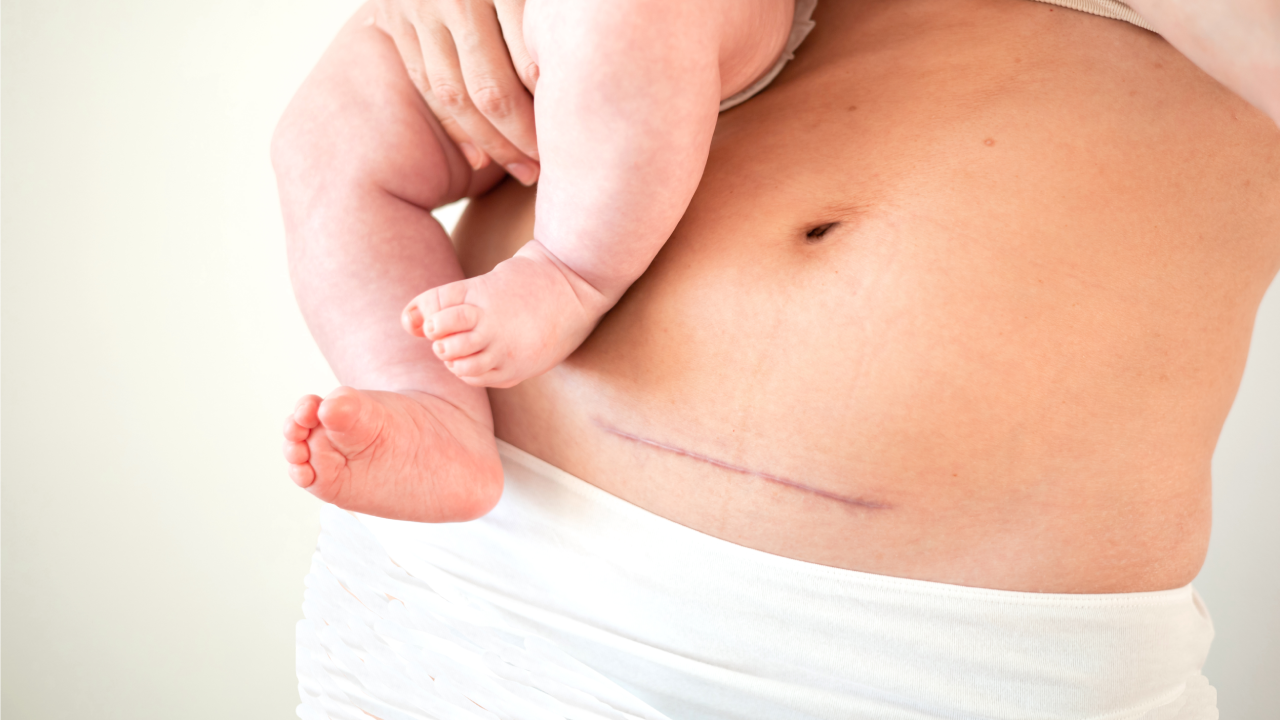
C-Section Recovery in Newmarket, ON
Recovering from a cesarean birth involves more than allowing the incision to close. Many individuals experience swelling, fluid retention, abdominal tightness, reduced mobility, scar sensitivity, and changes in core function during the weeks and months following delivery. Manual Lymphatic Drainage (MLD), pelvic floor physiotherapy, strengthening, scar work, and movement rehabilitation may all form part of postpartum care when clinically appropriate.
At Reconnect Physiotherapy and Wellness in Newmarket, ON, we support individuals through different stages of recovery after a C-section. Care may include Manual Lymphatic Drainage for swelling, pelvic physiotherapy for postpartum changes, gradual strengthening for the deep core and pelvic floor, and scar work using Dolphin Neurostim when appropriate.
The goal is to help you move through postpartum recovery with care that reflects your current symptoms, stage of recovery, and physical needs.
What Is C-Section Recovery Manual Lymphatic Drainage?
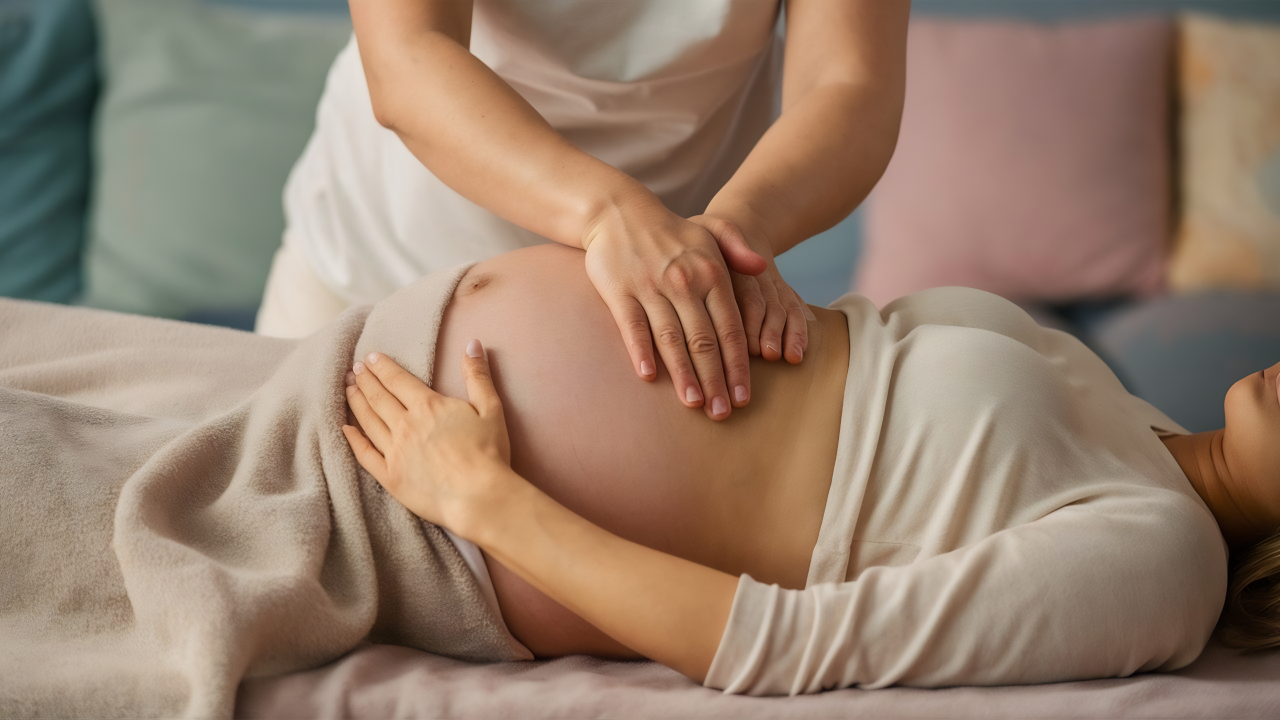
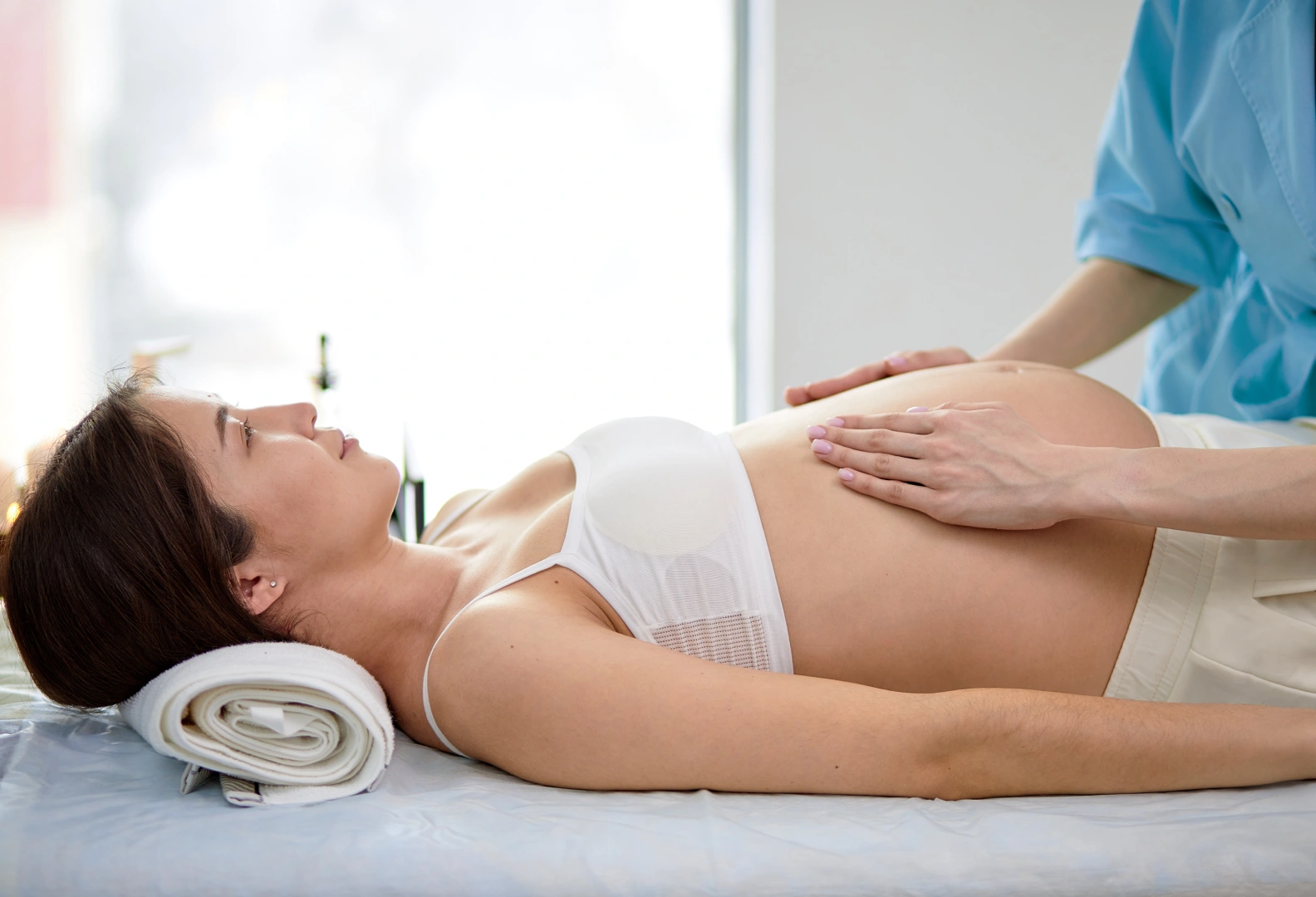
Manual Lymphatic Drainage is a light-touch therapeutic technique that stimulates the movement of lymph fluid throughout the body. Following a cesarean section, temporary swelling and fluid accumulation can occur around the abdomen, pelvis, and lower body due to surgery, tissue disruption, reduced movement, and postpartum changes.
MLD may be used to encourage lymphatic flow and support the body’s natural fluid movement. During postpartum recovery, this approach may be used for:
- Abdominal swelling after surgery
- Puffiness around the incision area
- Lower-body fluid retention
- Sensations of tightness around scar tissue
- Post-surgical congestion within the surrounding tissues
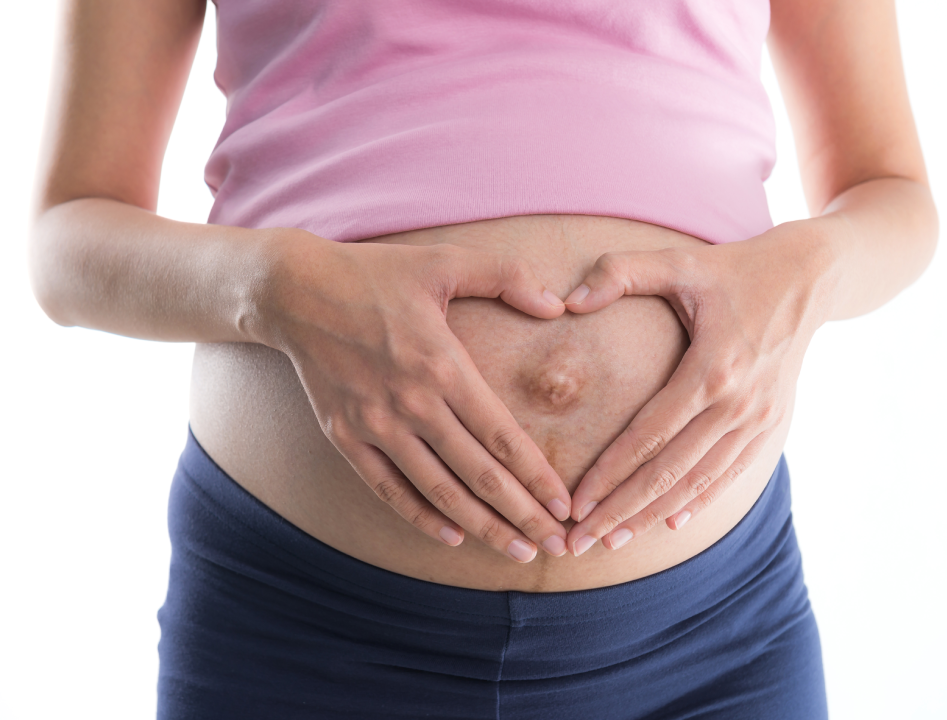
The treatment is performed using slow, rhythmic movements that follow the lymphatic system’s pathways.
Who Can Benefit From C-Section Recovery MLD?
Manual Lymphatic Drainage may be suitable for individuals who have undergone a cesarean birth and are seeking additional support during postpartum recovery.
Common situations include:
New Mothers Recovering From Planned Cesarean Delivery
Individuals who have undergone a scheduled C-section may seek support for swelling, mobility limitations, abdominal tightness, or changes in tissue mobility.
Mothers Recovering From Emergency C-Section
Emergency cesarean procedures can involve a different recovery process. MLD and physiotherapy may be included in postpartum care when clinically appropriate.
Individuals Experiencing Postpartum Swelling
Fluid retention can affect the abdomen, hips, legs, and pelvic region after childbirth. MLD focuses on encouraging lymphatic circulation throughout affected areas.
Mothers Seeking Scar Mobility Support
As the incision matures, some individuals notice tightness or reduced mobility around the scar. Scar work may be introduced at an appropriate stage of recovery, based on the incision and surrounding tissue.
How Can Physiotherapy Support C-Section Recovery?
C-section recovery can involve more than swelling around the incision. Pregnancy and childbirth may also affect the abdominal wall, pelvic floor, posture, breathing patterns, and overall movement.
Physiotherapy may support postpartum recovery through:
- Assessment of abdominal wall function
- Diastasis recti assessment
- Deep core connection and activation
- Pelvic floor physiotherapy
- Gradual strengthening programs
- Mobility work
- Scar mobility care
- Support for postpartum aches and movement limitations
Diastasis Recti Repair and Core Rehabilitation
Some individuals develop abdominal separation during pregnancy. This is commonly known as diastasis recti. After a C-section, the abdominal wall may also require gradual rehabilitation as strength and movement return.
Physiotherapy can assess abdominal wall function and help guide a gradual progression from deep core connection to strengthening. The program may include breathing coordination, pelvic floor activation, trunk control, functional movement, and progressive exercises.
The focus is not simply on strengthening the abdominal muscles. It also involves assessing how the core, pelvis, breathing, and daily movements work together.
Pelvic Floor Physiotherapy After a C-Section
A cesarean birth does not prevent postpartum pelvic floor changes. Pregnancy itself places physical demands on the pelvic floor, and many individuals may notice changes in bladder control, pelvic pressure, core coordination, or sexual function after childbirth.
Pelvic floor physiotherapy may support individuals dealing with the following:
- Urinary leakage
- Pelvic pressure
- Difficulty coordinating the pelvic floor and deep core
- Pelvic discomfort
- Pain during intercourse
- Changes in core control
- Difficulty returning to exercise
Strengthening After C-Section Recovery
As swelling decreases and the body progresses through postpartum recovery, strengthening may become an important part of care.
Exercise progression may include:
- Breathing and ribcage coordination
- Deep abdominal activation
- Pelvic floor coordination
- Gentle mobility exercises
- Functional strengthening
- Progressive resistance exercises
- Return-to-exercise preparation
The progression depends on the individual’s symptoms, surgical history, current movement ability, and postpartum stage.
What Is Scar Work With Dolphin Neurostim?
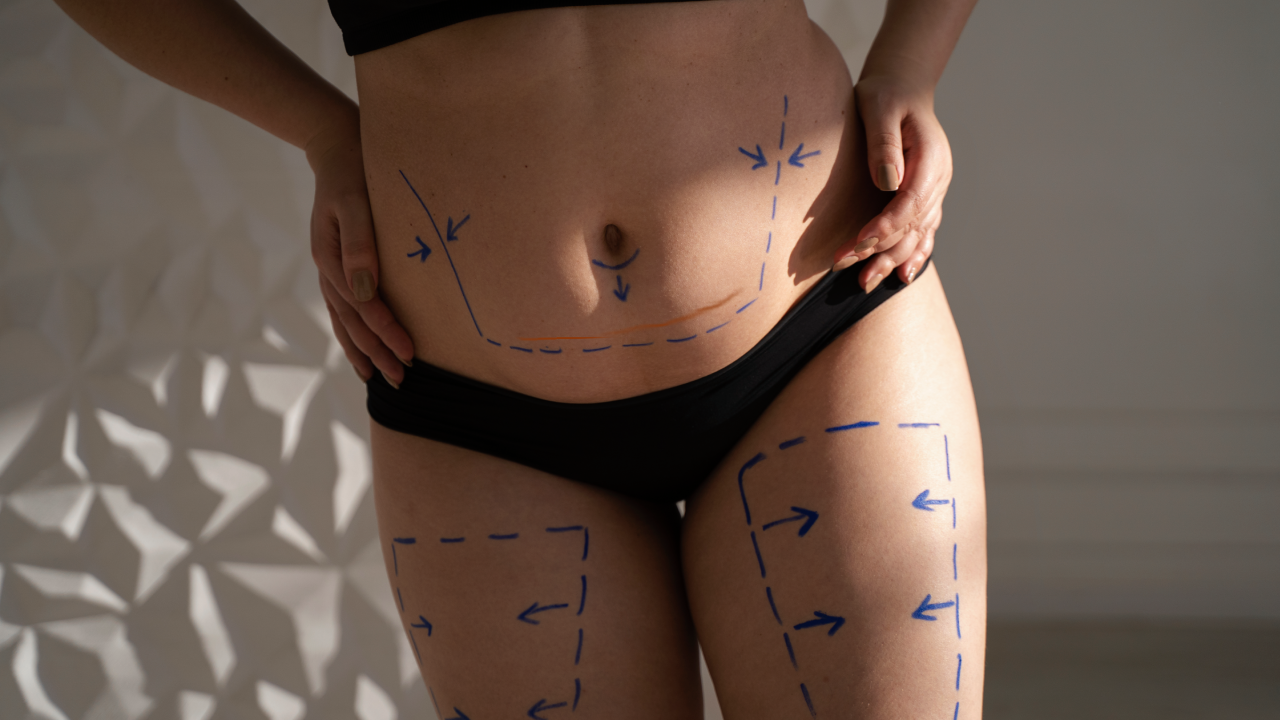
Scar tissue can sometimes feel tight, sensitive, restricted, or connected to surrounding tissues. Scar work may be included when the incision has reached an appropriate stage for hands-on treatment.
Dolphin Neurostim may be used alongside physiotherapy as part of scar-focused care. This may be combined with manual techniques and movement-based rehabilitation to address the area around the scar and its relationship with nearby tissues.
Scar-focused care may include:
- Assessment of scar mobility
- Observation of surrounding tissue movement
- Dolphin Neurostim when appropriate
- Manual scar work
- Mobility exercises
- Core and pelvic floor rehabilitation
The purpose is to support tissue mobility and movement as part of the broader postpartum rehabilitation process.
What Problems Can C-Section Recovery Care Address?
Individuals may seek postpartum physiotherapy and MLD due to concerns such as:
- Swelling around the lower abdomen
- Fluid retention in the legs or feet
- Tightness near the surgical site
- Reduced mobility during postpartum recovery
- Sensations of heaviness in the lower body
- Difficulty fitting into clothing because of lingering swelling
- Abdominal wall weakness
- Diastasis recti
- Pelvic floor changes
- Scar tightness or reduced scar mobility
- Difficulty returning to exercise
- Discomfort during daily movement
- Changes in core control
Every recovery journey is different. Care is adjusted according to clinical findings, recovery stage, medical history, and current goals.
What Is Included in C-Section Recovery Care?
Postpartum Recovery Assessment
What it includes
- Health history review
- Recovery timeline discussion
- Delivery and surgical history
- Evaluation of swelling patterns
- Review of abdominal and pelvic floor concerns
- Movement assessment
Why it matters
This helps identify the main factors affecting current recovery.
Expected outcome
A clear treatment direction based on the individual’s current needs.
Manual Lymphatic Drainage Treatment
What it includes
- Gentle lymphatic stimulation techniques
- Region-specific treatment
- Attention to areas affected by fluid retention
- Monitoring of tissue response
Why it matters
MLD may support lymphatic circulation and natural fluid movement.
Expected outcome
A reduction in sensations of heaviness and support for improved fluid movement.
Diastasis Recti and Deep Core Rehabilitation
What it includes
- Assessment of abdominal wall function
- Breathing and core coordination
- Deep abdominal activation
- Progressive strengthening
Why it matters
Pregnancy and childbirth can affect abdominal wall function and core coordination.
Expected outcome
Improved awareness and control of the abdominal wall during movement.
Pelvic Floor Physiotherapy
What it includes
- Pelvic floor assessment
- Coordination with the deep core
- Movement assessment
- Exercise progression when appropriate
Why it matters
The pelvic floor plays a role in bladder function, bowel function, sexual function, and core support.
Expected outcome
Improved coordination and confidence with daily movement and exercise progression.
Scar Work and Dolphin Neurostim
What it includes
- Scar mobility assessment
- Manual scar work
- Dolphin Neurostim when appropriate
- Movement exercises involving the surrounding tissues
Why it matters
The scar and surrounding tissues can influence mobility and comfort.
Expected outcome
Support for scar mobility and movement as part of postpartum rehabilitation.
Recovery Education
What it includes
- Activity recommendations
- Movement considerations
- Exercise progression
- Self-care strategies
- Return-to-activity considerations
Why it matters
Postpartum recovery often requires gradual changes in activity and exercise.
Expected outcome
A clearer sense of how to progress through different stages of recovery.
How Does the C-Section Recovery Process Work?
| 1. Initial Consultation – Your physiotherapist or therapist reviews your medical history, delivery details, symptoms, surgical history, and current recovery goals. |
| 2. Assessment – A physical assessment may examine swelling, tissue tightness, abdominal wall function, scar mobility, pelvic floor concerns, and movement patterns. |
| 3. Treatment Planning – A care plan is created according to your stage of recovery and current presentation. This may include MLD, pelvic physiotherapy, strengthening, scar work, Dolphin Neurostim, or a combination of approaches. |
| 4. Manual Lymphatic Drainage Session – Gentle techniques are applied using light pressure and rhythmic movements directed along lymphatic pathways. |
| 5. Scar and Tissue Mobility Care – When appropriate, scar work and Dolphin Neurostim may be incorporated to support mobility around the surgical area. |
| 6. Core and Pelvic Floor Rehabilitation – As appropriate, treatment may progress toward deep core connection, pelvic floor coordination, strengthening, and functional movement. |
| 7. Progress Review – Changes in swelling, mobility, scar movement, strength, and daily function are monitored over time. |
What Are the Potential Benefits of Manual Lymphatic Drainage After a C-Section?
Individuals may seek this care for:
- Support for healthy lymphatic circulation
- Reduced sensations of swelling and heaviness
- Improved comfort during postpartum recovery
- Support for tissue mobility around the abdomen
- Assistance with scar mobility
- Support for abdominal wall rehabilitation
- Improved coordination between the deep core and pelvic floor
- Gradual progression toward strengthening
- Support when returning to exercise
- Assistance with post-surgical movement goals
Can MLD Be Combined With Physiotherapy After a C-Section?
Yes. MLD may be combined with physiotherapy when appropriate.
For example, an individual may begin with support for post-surgical swelling and fluid retention. As recovery progresses, care may include scar work, Dolphin Neurostim, pelvic floor physiotherapy, diastasis recti rehabilitation, deep core activation, and strengthening.
This allows postpartum care to address different physical changes that may occur during recovery instead of focusing on swelling alone.
Who Does Reconnect Physiotherapy and Wellness Serve?
Reconnect Physiotherapy and Wellness supports a wide range of postpartum clients, including:
- First-time mothers
- Mothers recovering from repeat cesarean births
- Postpartum individuals experiencing swelling
- Individuals seeking scar mobility support
- Mothers managing diastasis recti
- Individuals working on pelvic floor function
- Mothers returning to exercise
- Parents balancing newborn care and recovery
- Residents of Newmarket and surrounding communities
Frequently Asked Questions
C-section recovery may include support for swelling, mobility, scar tissue, abdominal wall function, pelvic floor changes, core strength, and a gradual return to daily activities and exercise.
The appropriate timing depends on your surgical recovery, medical history, incision status, and current symptoms. Our team can assess your situation and determine whether MLD is appropriate at your current stage.
MLD uses light, rhythmic pressure. Most individuals find the technique gentle. Your therapist will monitor your response throughout the session.
The number of sessions varies. It depends on swelling, recovery stage, tissue mobility, movement goals, and how your body responds to treatment.
MLD may support fluid movement around the surgical area. Direct scar work is a separate part of care and may be introduced when the incision and surrounding tissue are ready.
What Areas Does Reconnect Physiotherapy and Wellness Serve?
Reconnect Physiotherapy and Wellness provides C-section recovery support through Manual Lymphatic Drainage for clients in:
| Central Newmarket | Gorham-College Manor |
| Stonehaven-Wyndham | Aurora Heights / Aurora Village |
| Woodland Hill | Holland Landing |
| Summerhill Estates | Sharon |
Appointments are available for residents seeking postpartum care in and around Newmarket, Ontario.
Why Choose Reconnect Physiotherapy and Wellness?
Reconnect Physiotherapy and Wellness provides postpartum rehabilitation services in Newmarket, ON, with a focus on evidence-informed care and individual assessment.
Our team works with clients recovering from pregnancy and childbirth-related physical changes, including cesarean delivery. Care may include MLD, pelvic floor physiotherapy, diastasis recti rehabilitation, strengthening, scar work, Dolphin Neurostim, and movement rehabilitation. Each treatment plan is based on clinical findings, recovery stage, health history, and current goals.
Clients receive one-on-one attention throughout the assessment and treatment process, with care focused on their current recovery needs.
Related Services
You may also be interested in:
- Postpartum Physiotherapy
- Pelvic Floor Physiotherapy
- Lactation Support Through Manual Lymphatic Drainage
- Pregnancy Physiotherapy
- Scar Tissue Management
- Women’s Health Physiotherapy
- Core Rehabilitation After Pregnancy
- Diastasis Recti Assessment
- Manual Therapy
- Therapeutic Exercise Programs
Get Started With C-Section Recovery
If you are recovering from a cesarean birth and would like support managing swelling, mobility limitations, or postpartum tissue changes, contact Reconnect Physiotherapy and Wellness in Newmarket, ON.
Our team can discuss your recovery goals, answer questions about Manual Lymphatic Drainage, and help determine whether this service aligns with your current recovery stage.
Contact Us:
Address: 600 Bray Cir Unit 2, Newmarket, ON L3Y 4W4, Canada
Phone: +1 647-622-7825
Reach out today to schedule an assessment and learn more about postpartum care options available at our clinic.