

Need Expert Physiotherapy Care?
Get personalized treatment plans from experienced
physiotherapists.
Pelvic Floor Physiotherapy During Pregnancy in Newmarket, ON
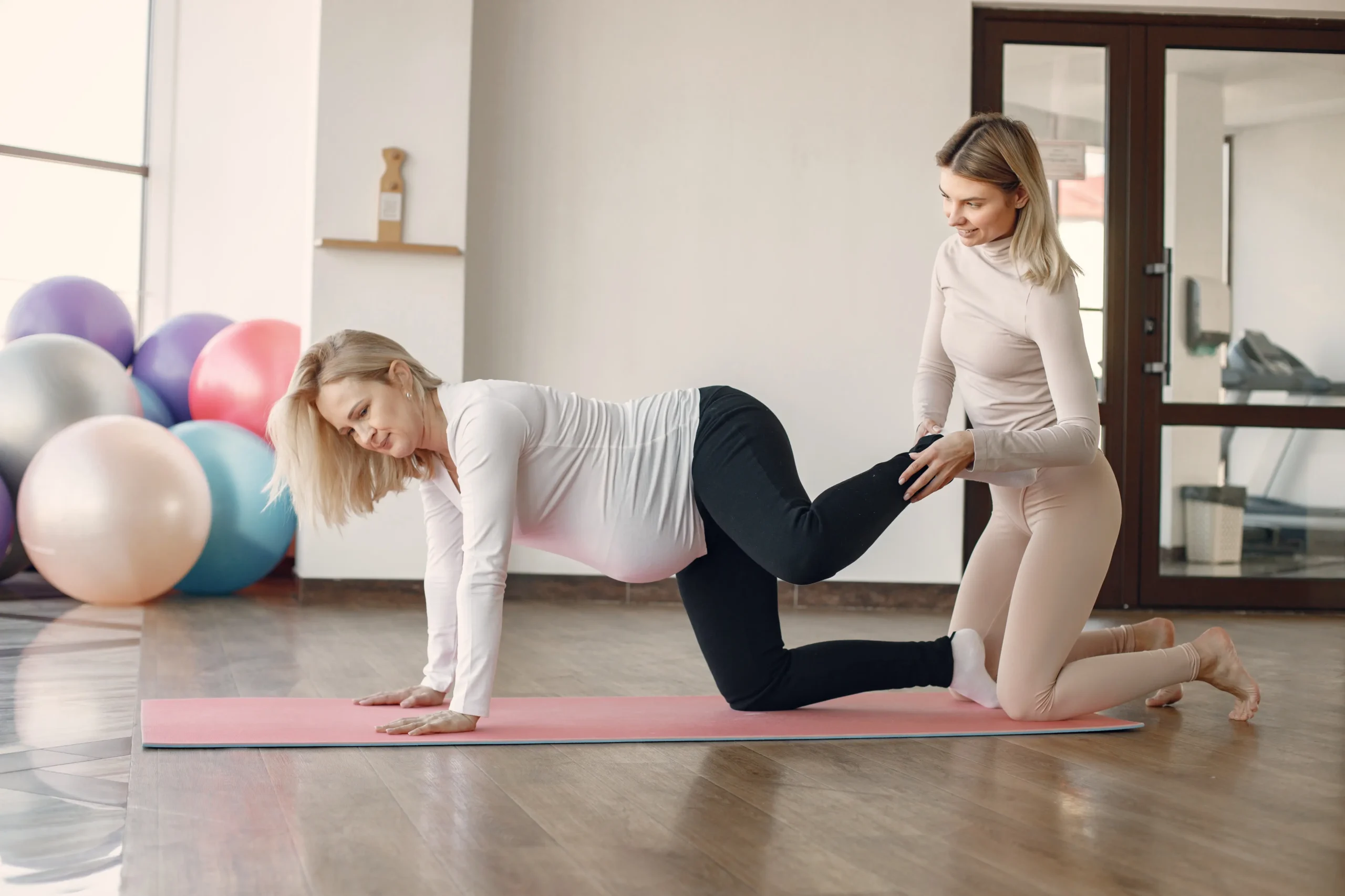
Pregnancy brings significant changes to the body, including increased pressure on the pelvic floor muscles, changes in posture, and shifting movement patterns. Pelvic floor physiotherapy during pregnancy focuses on assessing and supporting the muscles, connective tissues, and joints involved in pregnancy and childbirth.
This service is suitable for pregnant individuals who are experiencing pelvic discomfort, lower back pain, urinary leakage, pelvic pressure, or who want to prepare their body for labour and delivery. At Reconnect Physiotherapy and Wellness in Newmarket, ON, pelvic floor physiotherapy helps address pregnancy-related physical changes while supporting comfort, movement, and function throughout each trimester.
What Is Pelvic Floor Physiotherapy During Pregnancy?
Pelvic floor physiotherapy during pregnancy focuses on the pelvic floor muscles, abdominal muscles, hips, pelvis, lower back, and surrounding structures affected by pregnancy.
The pelvic floor is a group of muscles located at the base of the pelvis. These muscles contribute to bladder control, bowel function, pelvic organ support, and stability of the pelvis and spine.
During pregnancy, hormonal changes and the growing baby can increase stress on these muscles and surrounding tissues. Pelvic floor physiotherapy helps evaluate how these structures are functioning and provides strategies to address pregnancy-related concerns.
Common areas addressed include:
- Pelvic floor muscle assessment
- Core and abdominal muscle function
- Pelvic girdle stability
- Breathing mechanics
- Postural changes
- Labour preparation
- Movement education during pregnancy
- Preparation for cesarean birth
- VBAC (Vaginal Birth After Cesarean) preparation
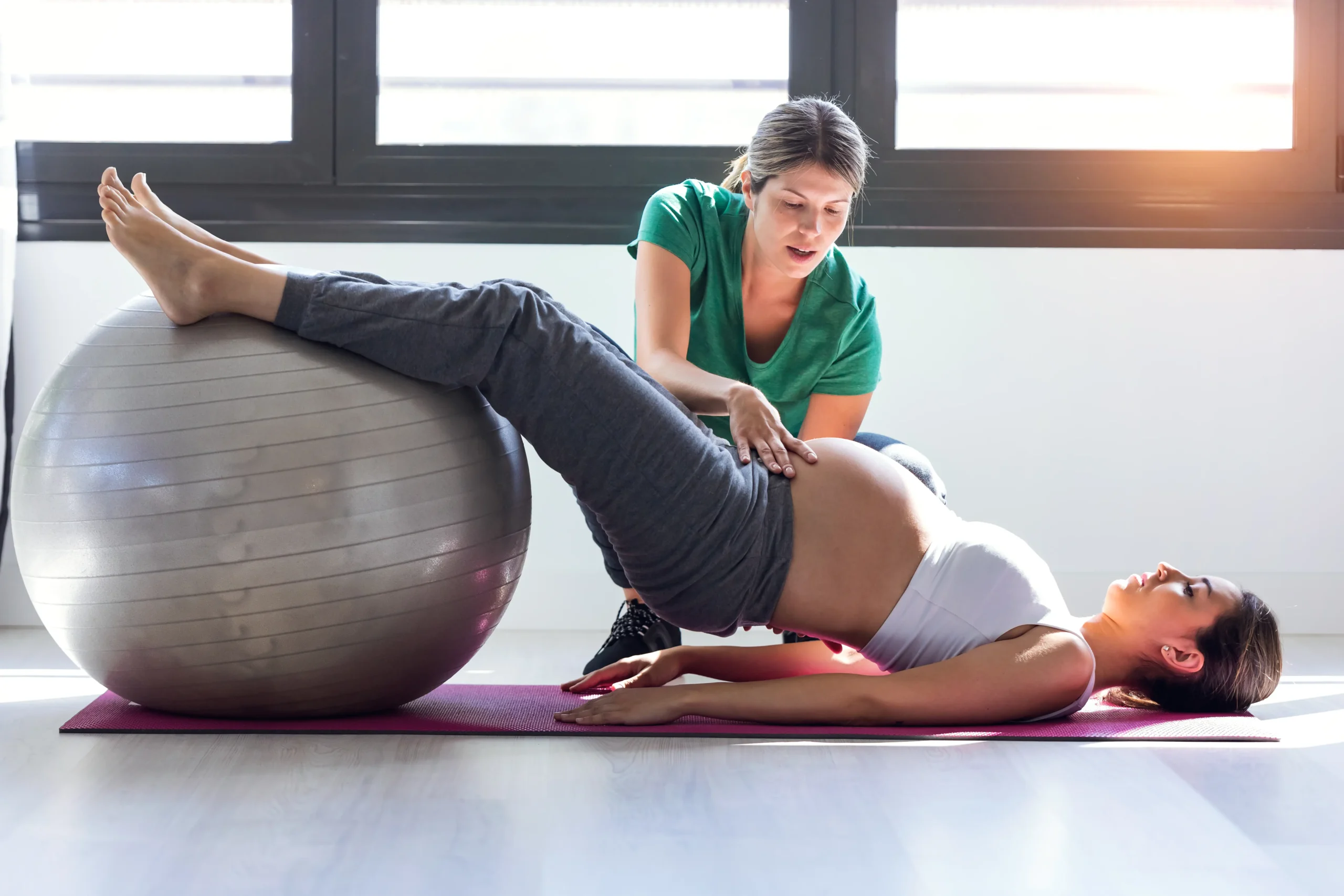
This service may be used at any time during any trimester, depending on individual needs and goals.
Who Can Benefit From Pelvic Floor Physiotherapy During Pregnancy?
Pelvic floor physiotherapy may benefit many pregnant individuals, including:
First-Time Mothers
Those who want to learn about pelvic floor function, labour preparation, and physical changes during pregnancy.
Individuals Experiencing Pelvic Pain
Pregnancy can lead to discomfort in the pelvis, hips, groin, tailbone, or lower back.
Individuals With Urinary Symptoms
Bladder leakage, urinary urgency, or frequent urination may occur as pregnancy progresses.
Active Individuals
Those who wish to continue exercising safely during pregnancy may benefit from movement assessment and exercise recommendations.
Individuals Preparing for Vaginal Birth
Pelvic floor physiotherapy may include education regarding pushing techniques, breathing patterns, and perineal preparation.
Individuals Preparing for Cesarean Birth
Pelvic floor physiotherapy is not only for vaginal birth. Individuals planning a cesarean birth can learn breathing strategies, movement techniques, mobility exercises, and methods for protecting the abdominal wall before and after surgery. Sessions may also include education on early mobility, scar care expectations, and postpartum recovery planning.
Individuals Planning a VBAC
Those preparing for a Vaginal Birth After Cesarean (VBAC) may benefit from pelvic floor assessment, breathing strategies, movement preparation, and education that supports labour while considering their previous birth history.
Individuals With Previous Pregnancies
Those who experienced pelvic floor concerns during prior pregnancies may seek assessment and support during subsequent pregnancies.
What Problems Does Pelvic Floor Physiotherapy During Pregnancy Help Address?
Pregnancy-related physical concerns can affect daily activities, sleep, exercise participation, and overall comfort.
Pelvic floor physiotherapy may help address:
- Urinary leakage during coughing, sneezing, or exercise
- Pelvic pressure or heaviness
- Lower back discomfort
- Hip pain
- Pelvic girdle pain
- Pubic symphysis discomfort
- Tailbone pain
- Groin pain
- Difficulty exercising during pregnancy
- Core weakness
- Constipation-related pelvic floor dysfunction
- Concerns regarding labour preparation
- Difficulty finding comfortable positions for sleeping or daily activities
- Preparing physically for a planned cesarean birth
- Questions regarding VBAC preparation
- Recovery planning before childbirth
Many individuals seek this service when pregnancy-related symptoms begin interfering with work, exercise, walking, or routine activities.
What is included in This Service?
Comprehensive Pregnancy Assessment
What it includes:
- Health history review
- Symptom discussion
- Physical assessment
- Movement evaluation
Why it matters:
Identifies factors contributing to discomfort or dysfunction.
Expected outcome:
A clear picture of physical needs and treatment priorities.
Pelvic Floor Assessment
What it includes:
- Evaluation of pelvic floor muscle function
- Assessment of muscle coordination
- Functional movement analysis
Why it matters:
Provides information about how the pelvic floor responds to pregnancy-related demands.
Expected outcome:
Targeted recommendations based on assessment findings.
Exercise Programming
What it includes:
- Pregnancy-safe exercises
- Core activation strategies
- Mobility work
- Strengthening activities
Why it matters:
Supports physical function throughout pregnancy.
Expected outcome:
Improved confidence with movement and exercise participation.
Labour and Birth Preparation Education
What it includes:
- Breathing techniques
- Birthing positions
- Pushing strategies
- Pelvic floor awareness
- Preparation for vaginal birth
- Preparation for planned cesarean birth
- VBAC education and movement preparation
Why it matters:
Helps individuals prepare for their planned birth while learning movement and breathing strategies that can support labour, surgery, and early postpartum recovery.
Expected outcome:
Greater confidence about the birth process and practical preparation for labour, cesarean birth, or VBAC.
Pelvic Health Education
What it includes:
- Bladder habits
- Bowel habits
- Posture education
- Activity modification
Why it matters:
Supports daily function during pregnancy.
Expected outcome:
Practical strategies that can be applied throughout pregnancy.
How Does the Pelvic Floor Physiotherapy Process Work During Pregnancy?
| Step 1: Initial Consultation – A physiotherapist reviews your health history, pregnancy stage, symptoms, goals, and concerns. |
| Step 2: Assessment – A detailed evaluation is conducted to assess posture, movement, pelvic stability, core function, and, when appropriate, pelvic floor performance. |
| Step 3: Individual Care Plan – Based on assessment findings, a plan is developed to address identified concerns and support pregnancy-related goals. |
| Step 4: Treatment and Exercise Progression – Sessions may include manual therapy, movement education, exercise instruction, breathing techniques, and pelvic floor training. |
| Step 5: Reassessment – Progress is monitored regularly to ensure exercises and treatment strategies remain appropriate as pregnancy progresses. |
| Step 6: Ongoing Support – Additional sessions may focus on labour preparation, preparation for planned cesarean birth, VBAC education, symptom management, and postpartum planning. |
What Are the Benefits of Pelvic Floor Physiotherapy During Pregnancy?
Potential benefits may include:
- Improved pelvic floor awareness
- Increased confidence with movement
- Support for bladder control
- Improved pelvic stability
- Enhanced core muscle coordination
- Reduced pregnancy-related discomfort
- Preparation for labour and delivery
- Support for physical activity participation
- Improved body mechanics during daily activities
- Education regarding postpartum recovery considerations
- Preparation for vaginal birth, planned cesarean birth, or VBAC
- Education for early postpartum recovery following vaginal or cesarean delivery
- Increased confidence when preparing for childbirth
Who Does Reconnect Physiotherapy and Wellness Serve?
Reconnect Physiotherapy and Wellness serves a wide range of pregnant individuals, including:
- Working professionals
- Healthcare workers
- Teachers
- Retail employees
- Office workers
- Fitness enthusiasts
- Stay-at-home parents
- First-time mothers
- Individuals with high-risk pregnancy concerns cleared for physiotherapy participation.
- Individuals preparing for vaginal birth, planned cesarean birth, or VBAC
Frequently Asked Questions
Services may include assessment, exercise instruction, movement education, pelvic floor evaluation, labour preparation education, and symptom management strategies.
Individuals may begin at any stage of pregnancy. Some start early for education and prevention, while others seek care when symptoms develop.
Physiotherapy approaches are tailored to the pregnancy stage, health status, and individual needs.
No. Many individuals attend for education, movement guidance, and labour preparation even when symptoms are not present.
Yes. Many treatment plans include education related to breathing, pushing mechanics, positioning, and pelvic floor awareness.
What Areas Does Reconnect Physiotherapy and Wellness Serve?
Reconnect Physiotherapy and Wellness provides pelvic floor physiotherapy during pregnancy for individuals in:
| Central Newmarket | Gorham-College Manor |
| Stonehaven-Wyndham | Aurora Heights / Aurora Village |
| Woodland Hill | Holland Landing |
| Summerhill Estates | Sharon |
Appointments are available for residents throughout the surrounding communities.
Why Choose Reconnect Physiotherapy and Wellness?
Reconnect Physiotherapy and Wellness provides physiotherapy services focused on evidence-informed assessment and treatment.
Patients choose the clinic because of:
- Physiotherapists with pelvic health training.
- Focus on pregnancy-related care.
- One-on-one assessment sessions.
- Individual treatment planning.
- Education-focused approach.
- Support during pregnancy, preparation for vaginal birth, planned cesarean birth, VBAC, and postpartum recovery.
- Convenient location serving Newmarket and surrounding communities.
The clinic works with pregnant individuals seeking support for movement, comfort, pelvic health, and childbirth preparation.
Related Services
Individuals seeking pelvic floor physiotherapy during pregnancy may also be interested in:
- Pelvic Floor Physiotherapy
- Postpartum Physiotherapy
- Women’s Health Physiotherapy
- Physiotherapy for Lower Back Pain
- Core Rehabilitation
- Labour Preparation Programs
- Manual Therapy
- Exercise Therapy
- Postnatal Recovery Programs
Get Started With Pelvic Floor Physio During Pregnancy
Whether you are experiencing pelvic discomfort, changes in bladder control, lower back strain, preparing for a vaginal birth, planning a cesarean birth, or considering a VBAC, pelvic floor physiotherapy can help you prepare for pregnancy, childbirth, and the postpartum period with practical strategies that support movement and daily function.
At Reconnect Physiotherapy and Wellness in Newmarket, ON, our team takes the time to assess your needs, answer your questions, and create a plan that aligns with your stage of pregnancy and goals.
Contact Us:
Address: 600 Bray Cir Unit 2, Newmarket, ON L3Y 4W4, Canada
Phone: +1 647-622-7825
Contact us today to schedule your assessment and take the next step toward a more comfortable and informed pregnancy experience.