Need Expert Physiotherapy Care?
Get personalized treatment plans from experienced
physiotherapists.
Post-Operative Rehabilitation in Newmarket, ON
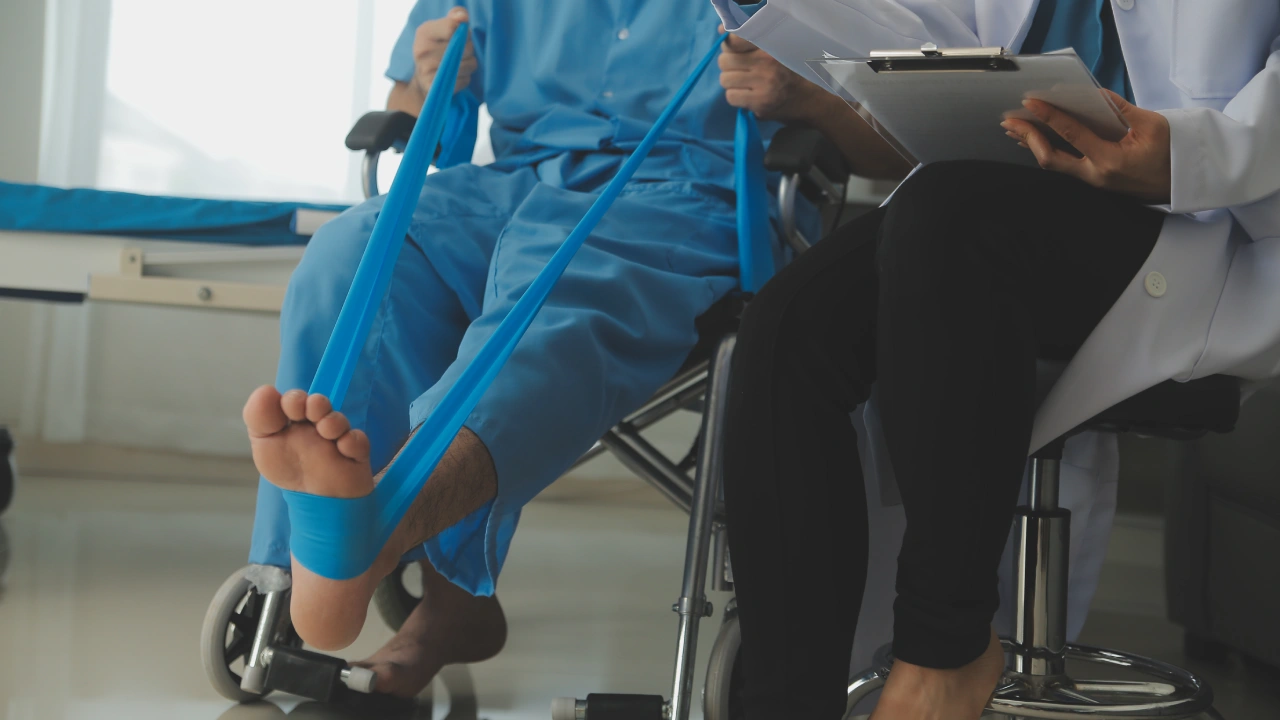
Recovering from surgery often requires more than rest alone. Post-operative rehabilitation physiotherapy helps individuals rebuild mobility, restore strength, improve movement patterns, and return to daily activities after a surgical procedure. At Reconnect Physiotherapy and Wellness in Newmarket, ON, post-operative rehabilitation programs support patients through each stage of recovery following orthopedic, spinal, sports-related, and other surgical procedures.
Whether you have undergone joint replacement surgery, ligament reconstruction, fracture repair, or another procedure, physiotherapy can play an important role in helping you move forward with confidence while following your surgeon’s recovery recommendations.
What Is Post-Operative Rehabilitation?
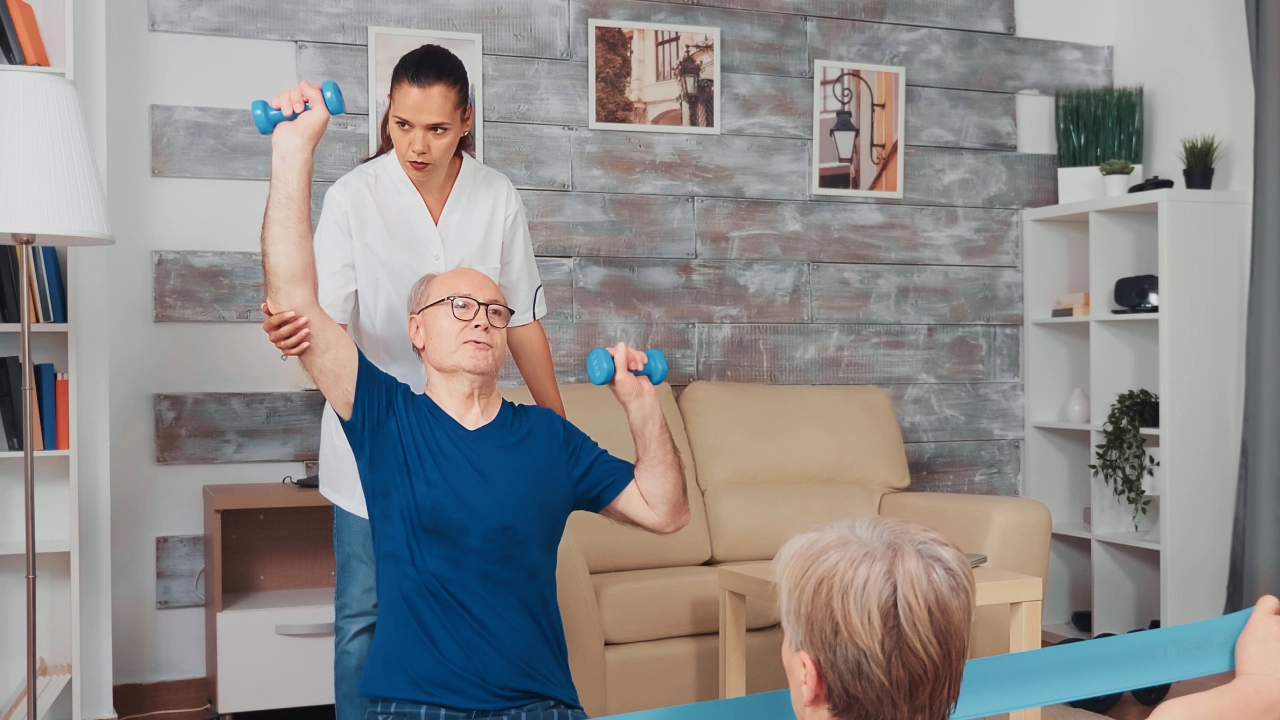
Post-operative rehabilitation is a physiotherapy service focused on restoring physical function after surgery. It involves assessment, movement training, exercise progression, mobility restoration, and ongoing monitoring throughout the recovery process.
The purpose of post-operative rehabilitation is to help patients:
- Restore joint mobility.
- Improve muscle strength.
- Increase flexibility.
- Improve balance and coordination.
- Support safe return to work, sports, or daily activities.
- Reduce the risk of post-surgical movement limitations.
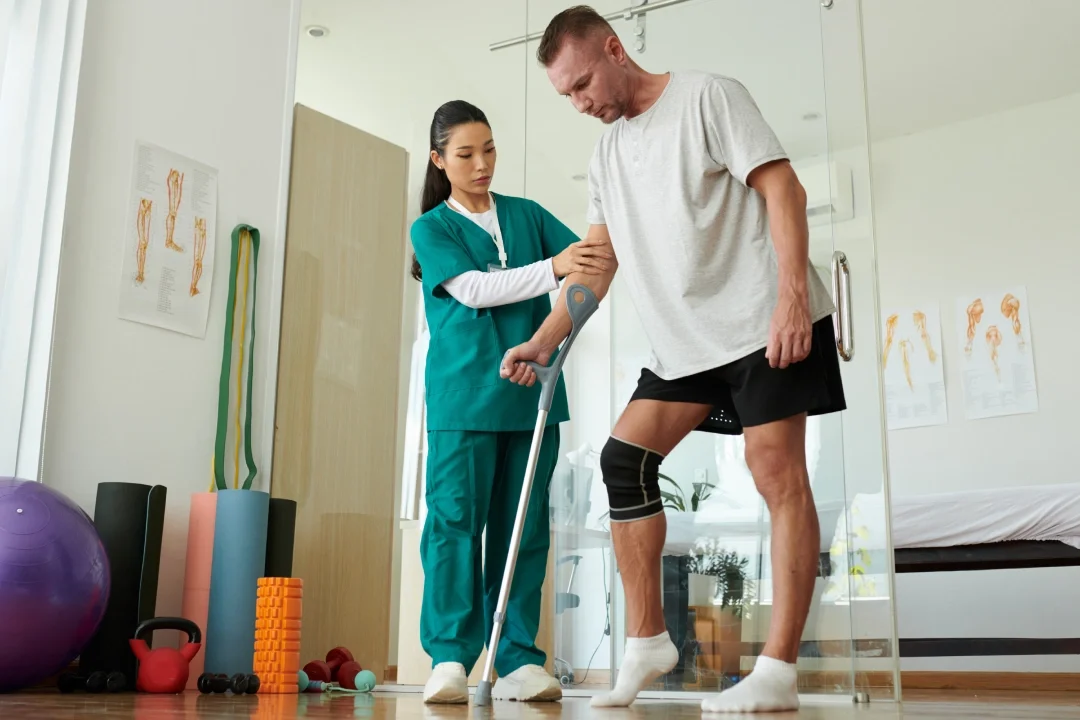
Post-operative physiotherapy can be used following many types of procedures, including:
- Total knee replacement
- Total hip replacement
- ACL reconstruction
- Rotator cuff repair
- Shoulder stabilization surgery
- Meniscus repair
- Spinal surgery
- Fracture fixation surgery
- Foot and ankle surgery
- Tendon repair procedures
Every recovery journey is different, which is why rehabilitation plans are adjusted according to the procedure performed, surgeon recommendations, and individual recovery milestones.
Who Can Benefit From Post-Operative Rehabilitation?
Post-operative rehabilitation can help a wide range of individuals recovering from surgery.
Adults Recovering From Orthopedic Surgery
People who have undergone joint replacement or ligament reconstruction often require physiotherapy to restore mobility and strength.
Athletes Returning to Sport
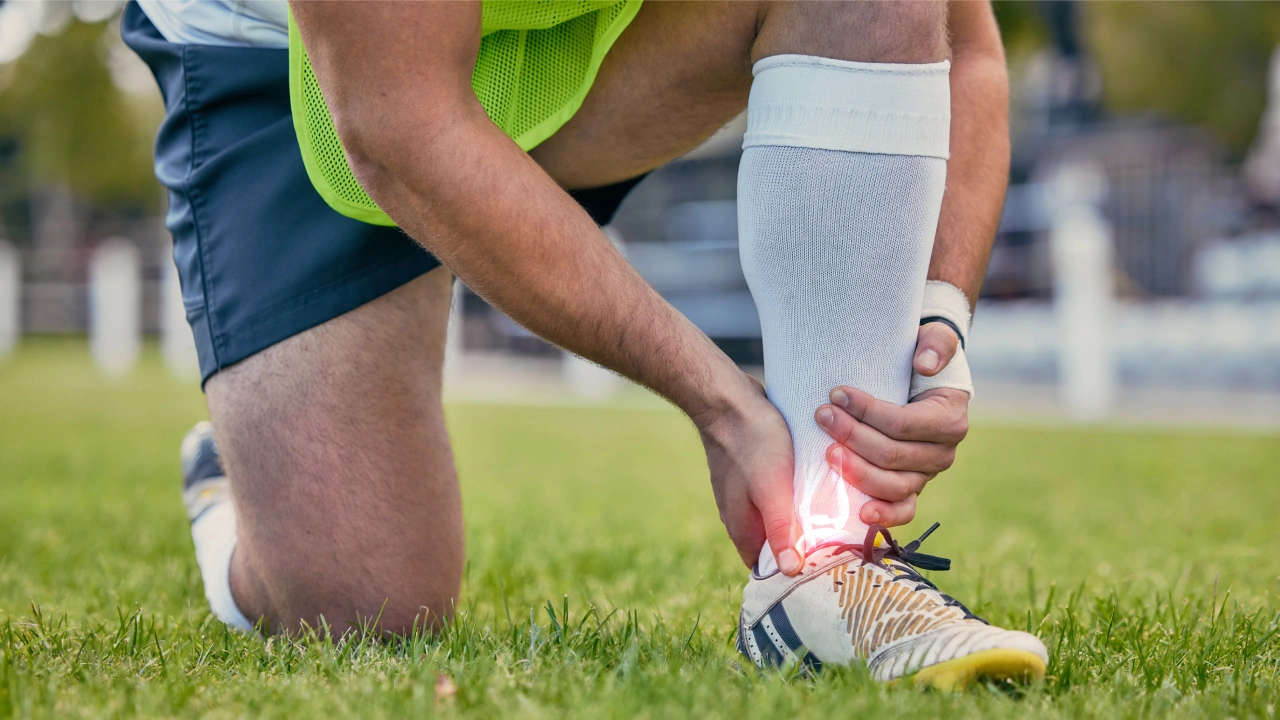
Athletes recovering from sports-related surgical procedures may need structured rehabilitation to prepare for training and competition.
Older Adults
Individuals recovering from hip, knee, or spinal procedures may benefit from supervised exercise and mobility training.
Workers Returning to Employment
People recovering from surgery may require rehabilitation to safely return to physically demanding or sedentary work environments.
Individuals Recovering From Fractures
Patients who have undergone surgical fixation of fractures often need rehabilitation to restore movement and function.
What Problems Does Post-Operative Rehabilitation Help Address?
Post-operative rehabilitation addresses common challenges that occur after surgery, including:
- Joint stiffness
- Reduced mobility
- Muscle weakness
- Difficulty walking
- Limited range of motion
- Balance deficits
- Swelling around the surgical area
- Reduced endurance
- Difficulty performing daily activities
- Challenges returning to sports or work
- Movement compensation patterns
- Fear of movement after surgery
Without structured rehabilitation, some individuals may struggle to regain their previous level of function.
What Is Included in Post-Operative Rehabilitation?
Comprehensive Post-Surgical Assessment
What it includes
- Review of surgical history
- Functional movement assessment
- Mobility evaluation
- Strength testing
- Recovery goal discussion
Why it matters
Establishes a baseline and identifies current limitations.
Expected outcome
A clear rehabilitation roadmap based on recovery status.
Mobility Restoration Program
What it includes
- Joint mobility exercises
- Stretching routines
- Range-of-motion progression
Why it matters
Movement restrictions can affect daily activities and overall function.
Expected outcome
Improved flexibility and joint mobility.
Strength Development
What it includes
- Progressive strengthening exercises
- Functional movement training
- Muscle activation techniques
Why it matters
Muscles often weaken following surgery and periods of reduced activity.
Expected outcome
Improved stability and physical capacity.
Walking and Movement Retraining
What it includes
- Gait analysis
- Walking drills
- Functional movement correction
Why it matters
Surgery can alter normal movement patterns.
Expected outcome
More efficient and confident movement.
Balance and Coordination Training
What it includes
- Stability exercises
- Proprioceptive training
- Functional balance activities
Why it matters
Balance deficits can increase the risk of falls and movement difficulties.
Expected outcome
Improved coordination and body control.
Return-to-Activity Planning
What it includes
- Activity progression strategies
- Sport-specific training
- Work-related movement preparation
Why it matters
Returning to activity too quickly or too slowly can affect recovery.
Expected outcome
A structured transition back to daily activities, work, or sport.
How Does the Post-Operative Rehabilitation Process Work?
| 1. Initial Consultation – A physiotherapist reviews your surgical history, current symptoms, mobility level, and recovery goals. |
| 2. Physical Assessment – Movement, strength, balance, flexibility, and functional abilities are evaluated. |
| 3. Rehabilitation Planning – A recovery program is developed based on your procedure and stage of healing. |
| 4. Treatment Implementation – Guided exercises, mobility work, and functional training sessions begin. |
| 5. Progress Review – Recovery milestones are monitored, and exercises are adjusted as function improves. |
| 6. Ongoing Support – Continued physiotherapy helps support long-term function and participation in activities. |
What Are the Benefits of Post-Operative Rehabilitation?
Patients may experience a range of practical outcomes, including:
- Improved mobility
- Increased strength
- Enhanced joint function
- Improved walking ability
- Faster return to daily activities
- Increased confidence with movement
- Reduced stiffness
- Improved balance and coordination
- Greater participation in recreational activities
- Structured recovery progression
- Improved physical performance after surgery
Who Does Reconnect Physiotherapy and Wellness Serve?
Reconnect Physiotherapy and Wellness supports individuals from many backgrounds, including:
- Healthcare professionals
- Office workers
- Construction workers
- Retail employees
- Teachers
- Athletes
- Fitness enthusiasts
- Manufacturing workers
- Seniors
- Students
- Trades professionals
- Active adults
Frequently Asked Questions
Post-operative rehabilitation may include assessment, exercise therapy, mobility training, strength development, balance exercises, gait retraining, and progression of functional activities.
The timing varies depending on the procedure and the surgeon’s recommendations. Some individuals begin shortly after surgery, while others may start after a designated recovery period.
Recovery timelines vary based on the type of surgery, individual health factors, and rehabilitation goals. Some programs may last several weeks, while others continue for several months.
Bring relevant surgical documentation, imaging reports if available, a list of current medications, and any instructions provided by your surgeon.
Yes. Physiotherapy is commonly used following knee and hip replacement procedures to help restore mobility, strength, and function.
Which Areas Does Reconnect Physiotherapy and Wellness Serve?
Reconnect Physiotherapy and Wellness provides post-operative rehabilitation services for individuals in:
| Central Newmarket | Gorham-College Manor |
| Stonehaven-Wyndham | Aurora Heights / Aurora Village |
| Woodland Hill | Holland Landing |
| Summerhill Estates | Sharon |
Appointments are available for local residents seeking physiotherapy following surgery.
Why Choose Reconnect Physiotherapy and Wellness?
Reconnect Physiotherapy and Wellness provides physiotherapy services focused on functional recovery and evidence-informed rehabilitation.
Patients choose Reconnect Physiotherapy and Wellness because of:
- Individualized recovery planning.
- Focus on post-surgical rehabilitation.
- Goal-oriented treatment strategies.
- Ongoing progress monitoring.
- Functional movement assessment.
- Exercise-based rehabilitation.
- Commitment to patient education.
- Support throughout each recovery stage.
The clinic works closely with patients to help them progress through each phase of rehabilitation safely and efficiently.
Why Choose Reconnect Physiotherapy and Wellness?
Reconnect Physiotherapy and Wellness provides physiotherapy services focused on functional recovery and evidence-informed rehabilitation.
Patients choose Reconnect Physiotherapy and Wellness because of:
- Individualized recovery planning.
- Focus on post-surgical rehabilitation.
- Goal-oriented treatment strategies.
- Ongoing progress monitoring.
- Functional movement assessment.
- Exercise-based rehabilitation.
- Commitment to patient education.
- Support throughout each recovery stage.
The clinic works closely with patients to help them progress through each phase of rehabilitation safely and efficiently.
Related Services
Patients seeking post-operative rehabilitation may also benefit from:
- Physiotherapy
- Sports Injury Rehabilitation
- Manual Therapy
- Exercise Therapy
- Knee Pain Physiotherapy
- Hip Pain Physiotherapy
- Shoulder Rehabilitation
- ACL Rehabilitation
- Balance and Fall Prevention Programs
- Chronic Pain Management
- Workplace Injury Rehabilitation
Get Started With Post-Operative Rehabilitation
If you are preparing for surgery or are currently recovering from a procedure, post-operative rehabilitation can help support your return to daily activities and physical function.
Contact Reconnect Physiotherapy and Wellness in Newmarket, ON to schedule an assessment.
Contact Us:
Address: 600 Bray Cir Unit 2, Newmarket, ON L3Y 4W4, Canada
Phone: +1 647-622-7825
Early rehabilitation planning can help create a smoother recovery process and provide a structured path forward after surgery.