Need Expert Physiotherapy Care?
Get personalized treatment plans from experienced
physiotherapists.
Sports Injury Physiotherapy in Newmarket, ON
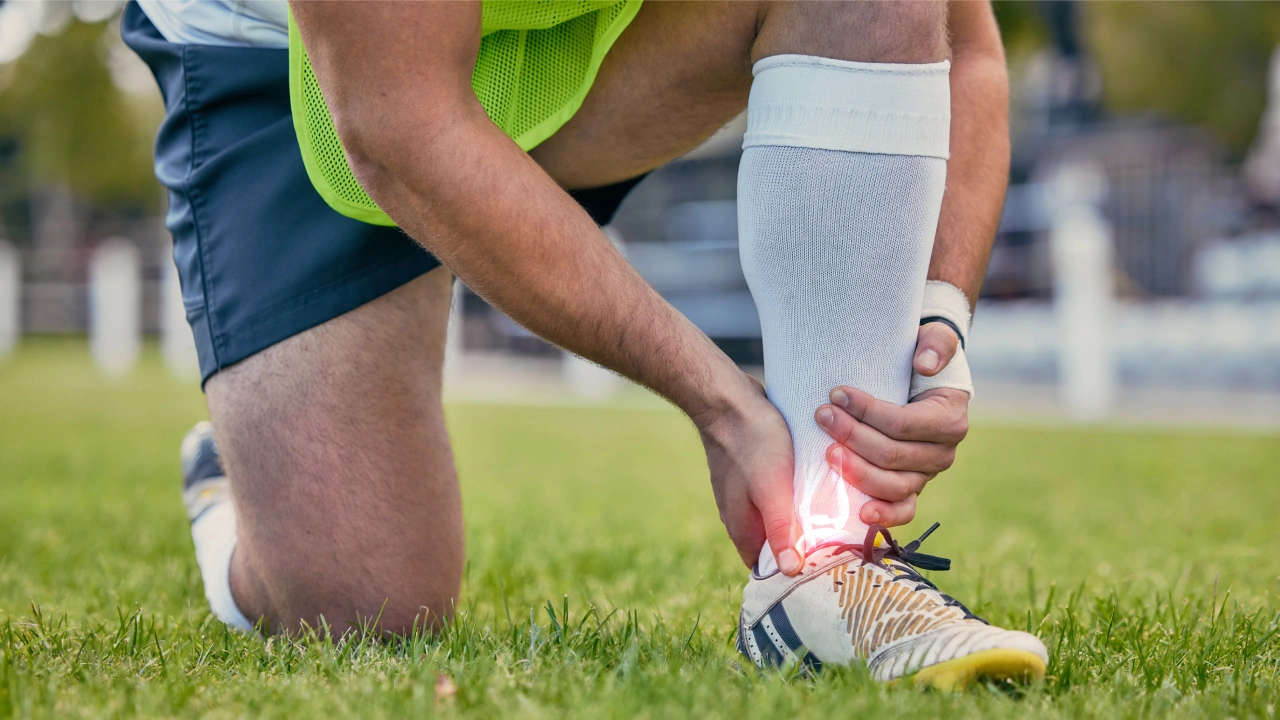
Sports injuries can affect athletes of all ages and activity levels, from competitive players to weekend runners and fitness enthusiasts. Sports injury physiotherapy focuses on assessing, managing, and restoring movement following injuries sustained during physical activity. At Reconnect Physiotherapy and Wellness in Newmarket, ON, physiotherapy services help individuals recover from sports-related injuries, improve movement patterns, and return to their activities safely and confidently.
Whether an injury occurs during a game, training session, gym workout, or recreational activity, physiotherapy can play an important role in addressing pain, mobility restrictions, muscle weakness, and movement limitations.
What Is Sports Injury Physiotherapy?
Sports injury physiotherapy is a branch of physiotherapy focused on the assessment, treatment, and management of injuries that occur during physical activity. These injuries can affect muscles, tendons, ligaments, joints, bones, and connective tissues.
The purpose of sports injury physiotherapy is to:
- Identify the cause of the injury.
- Reduce pain and inflammation.
- Restore joint mobility and muscle function.
- Improve movement mechanics.
- Reduce the risk of future injuries.
- Support a safe return to sport or activity.
Sports injury physiotherapy is commonly used for both acute injuries that occur suddenly and overuse injuries that develop gradually.
Which Sports Injuries Are Commonly Treated?
- Ankle sprains
- Knee ligament injuries
- Runner’s knee
- Tennis elbow
- Golfer’s elbow
- Rotator cuff injuries
- Shoulder instability
- Achilles tendon issues
- Hamstring strains
- Groin strains
- Shin splints
- Hip injuries
- Back injuries related to sports
- Muscle strains and tears

Who Can Benefit From Sports Injury Physiotherapy?
Sports injury physiotherapy can benefit a wide range of individuals.
Recreational Athletes
People who participate in sports occasionally may experience injuries from running, cycling, tennis, soccer, basketball, skiing, or gym workouts.
Competitive Athletes
Athletes involved in organized leagues and competitions often seek physiotherapy to address injuries and optimize movement performance.
Youth Athletes
Growing athletes may experience sports-related injuries due to repetitive training, growth-related changes, or accidental impacts.
Active Adults
Many adults remain physically active through fitness programs, group classes, hiking, and recreational sports. Physiotherapy can help address injuries that interfere with daily activities and exercise routines.
Returning Athletes
Individuals recovering from surgery or previous injuries may use physiotherapy as part of their return-to-sport strategy.
What Problems Does Sports Injury Physiotherapy Help Address?
Sports injuries can create physical challenges that affect both athletic participation and daily life.
Sports injury physiotherapy may help address:
- Joint stiffness and limited movement
- Muscle weakness after injury
- Reduced flexibility
- Difficulty running, jumping, or changing direction
- Swelling around injured joints
- Persistent discomfort during sports activities
- Poor movement mechanics
- Recurrent injuries
- Loss of balance and coordination
- Reduced athletic performance following injury.
People often seek physiotherapy after experiencing:
- Sudden sports injuries
- Falls during physical activity
- Overtraining symptoms
- Repetitive strain injuries
- Difficulty returning to exercise after a break
- Ongoing symptoms that do not improve with rest
What Does a Sports Injury Assessment Include?
Comprehensive Physical Assessment
What it includes
- Injury history review
- Movement analysis
- Strength testing
- Range of motion assessment
- Functional movement screening
Why it matters
A detailed assessment helps identify factors contributing to symptoms and movement limitations.
Expected outcome
A clear understanding of the injury and recovery goals.
Individualized Recovery Plan
What it includes
- Short-term and long-term objectives
- Activity modification recommendations
- Progressive exercise programming
Why it matters
Structured planning helps create measurable milestones during recovery.
Expected outcome
A clear roadmap for returning to physical activity.
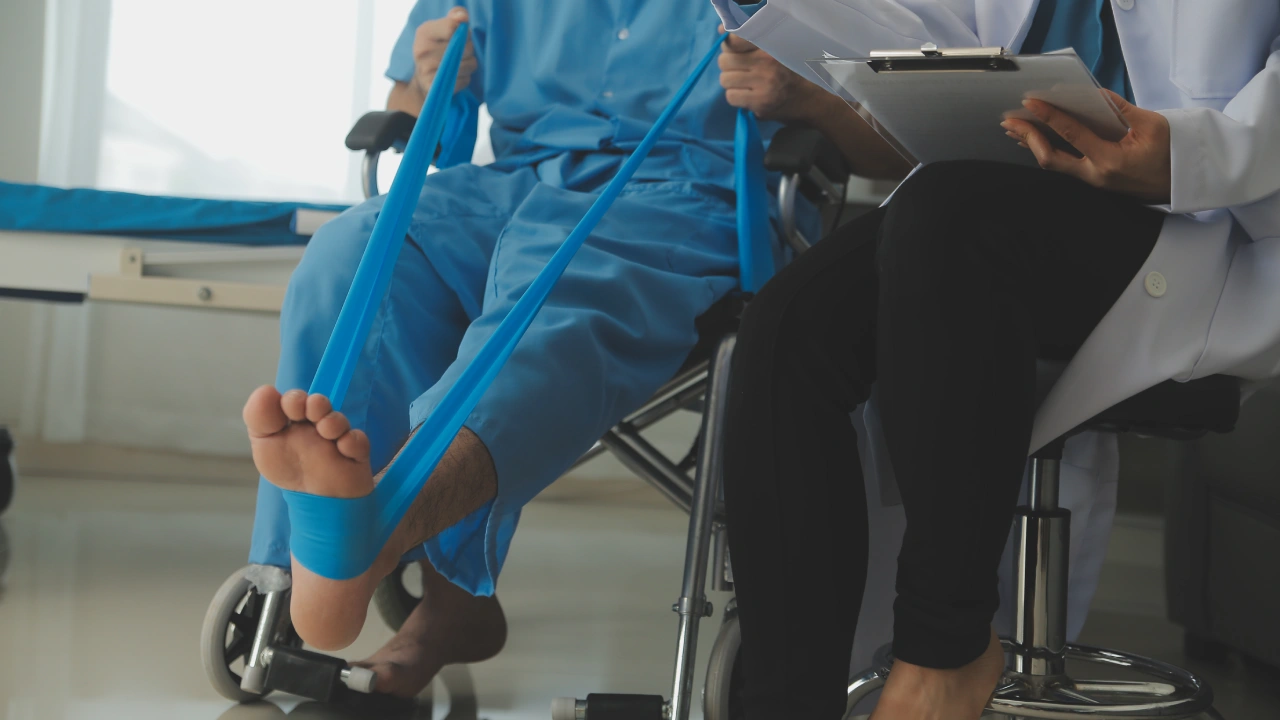
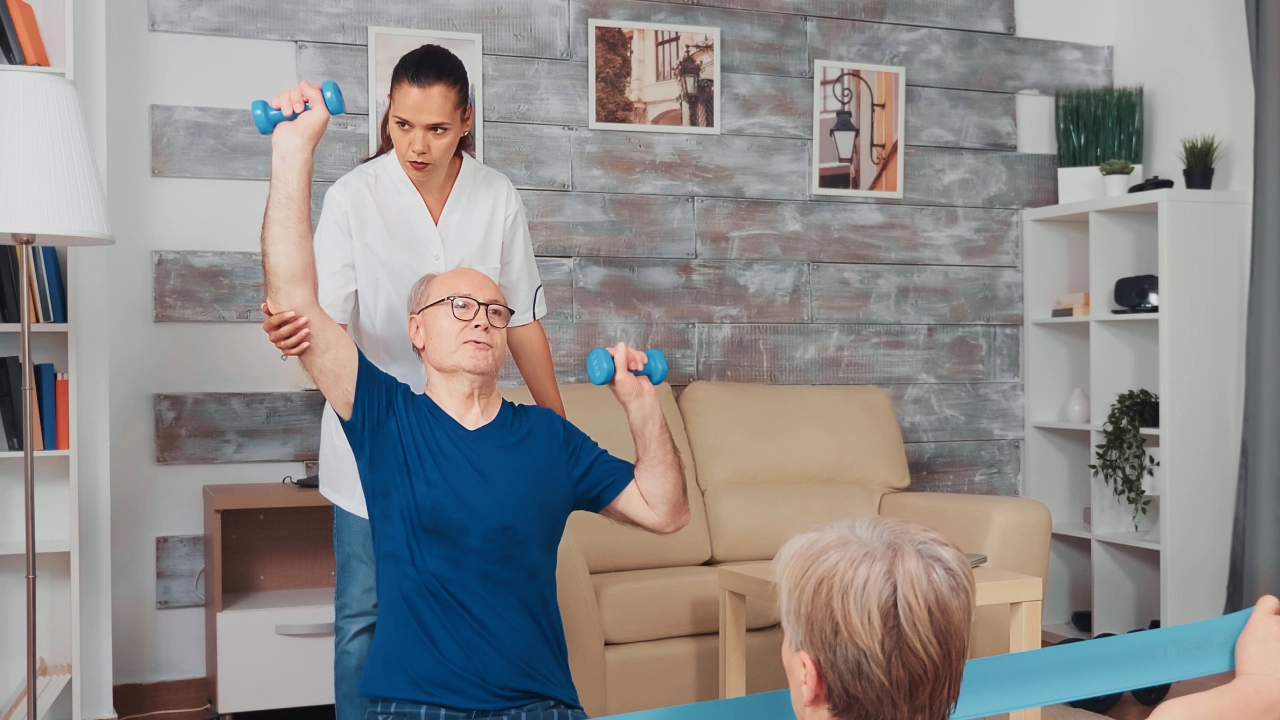
Therapeutic Exercise Programs
What it includes
- Strength training
- Mobility exercises
- Flexibility work
- Stability training
Why it matters
Exercise is often a central component of restoring movement and function.
Expected outcome
Improved physical capacity and movement control.
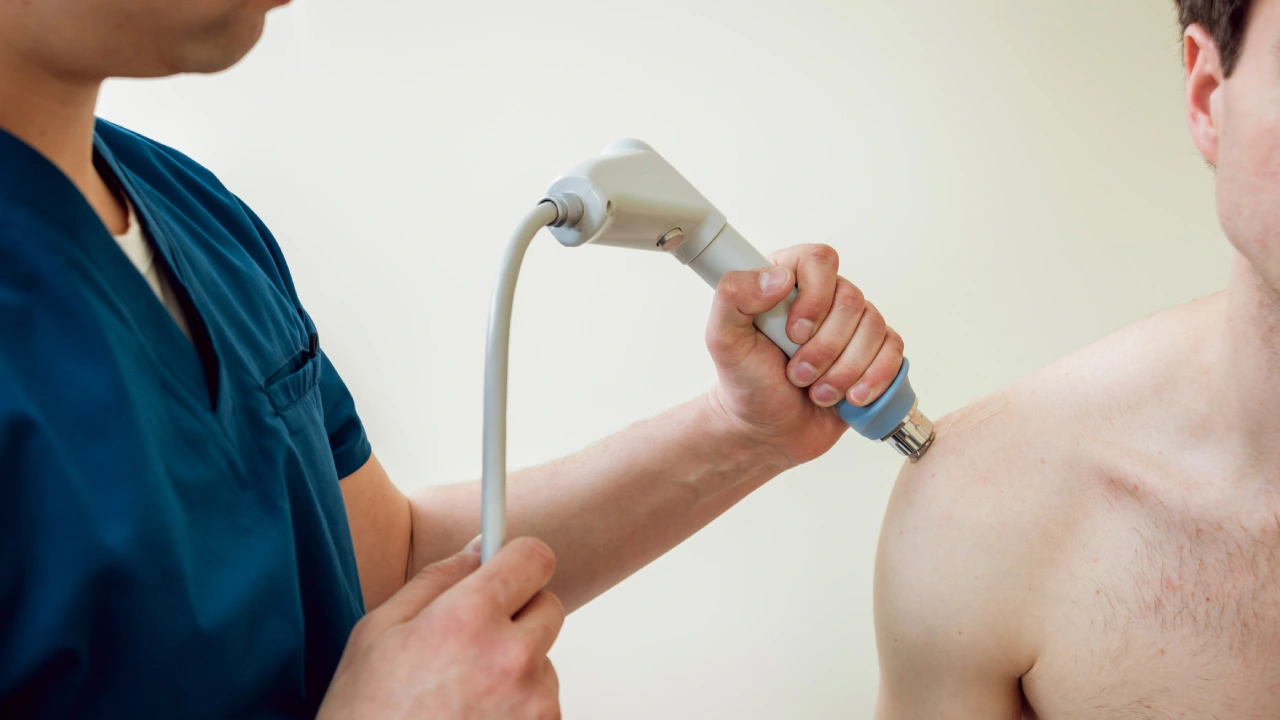
Manual Therapy
What it includes
- Joint mobilization
- Soft tissue techniques
- Movement-based interventions
Why it matters
Manual techniques can support mobility improvements and movement restoration.
Expected outcome
Improved joint and soft tissue mobility.
Return-to-Sport Planning
What it includes
- Sport-specific testing
- Movement retraining
- Functional progression
Why it matters
Returning too quickly can increase the likelihood of re-injury.
Expected outcome
A safer transition back to training and competition.
How Does the Sports Injury Physiotherapy Process Work?
| 1. Initial Consultation – A physiotherapist gathers information about the injury, symptoms, medical history, and activity goals. |
| 2. Assessment – A physical evaluation is performed to assess movement quality, strength, flexibility, balance, and function. |
| 3. Treatment Planning – A recovery strategy is developed based on assessment findings and activity requirements. |
| 4. Treatment Implementation – Therapeutic exercises, manual therapy techniques, and movement training are introduced. |
| 5. Progress Review – Recovery milestones are monitored, and the treatment plan is adjusted as needed. |
| 6. Ongoing Support – As recovery progresses, exercises and activity recommendations evolve to match changing physical demands. |
What Are the Benefits of Sports Injury Physiotherapy?
Sports injury physiotherapy may contribute to several practical outcomes.
Improved Mobility
Movement restrictions can be addressed through targeted interventions and exercise.
Faster Return to Activity
Structured rehabilitation can help individuals progress through recovery stages safely.
Reduced Risk of Re-Injury
Movement analysis and corrective exercises can identify factors that may contribute to recurring injuries.
Improved Strength and Stability
Rehabilitation often includes strengthening programs focused on affected areas.
Enhanced Movement Quality
Athletes can develop more efficient movement patterns that support participation in sports and exercise.
Support for Athletic Performance
Optimized movement mechanics may improve physical function during training and competition.
Who Can Benefit From Sports Injury Physiotherapy?
Sports injury physiotherapy serves individuals from many backgrounds and activity levels.
Sports and Athletics
- Soccer players
- Hockey players
- Basketball players
- Baseball players
- Volleyball players
Fitness and Recreation
- Runners
- Cyclists
- Swimmers
- Cross-training participants
- Gym members
Educational Settings
- Student athletes
- School sports teams
- College athletes
Workplace Wellness
- Physically active professionals
- Workers participating in recreational sports
Frequently Asked Questions
Sports injury physiotherapy typically includes assessment, movement analysis, exercise programming, manual therapy techniques, and return-to-sport planning.
Recovery timelines vary depending on the type and severity of the injury, overall health, and activity demands.
Even minor injuries can affect movement patterns and athletic participation. An assessment can help determine the appropriate course of action.
Yes. Recurrent injuries often involve underlying movement, strength, flexibility, or biomechanical factors that can be evaluated and addressed.
Ongoing treatment and exercise progression may be recommended depending on recovery goals and activity requirements.
Which Areas Does Reconnect Physiotherapy and Wellness Serve?
Reconnect Physiotherapy and Wellness provides sports injury physiotherapy services for individuals throughout:
| Central Newmarket | Gorham-College Manor |
| Stonehaven-Wyndham | Aurora Heights / Aurora Village |
| Woodland Hill | Holland Landing |
| Summerhill Estates | Sharon |
Services are available for local residents seeking support after sports and activity-related injuries.
Why Choose Reconnect Physiotherapy and Wellness for Sports Injury Physiotherapy in Newmarket?
We provide physiotherapy services focused on movement assessment, rehabilitation, and physical function.
Patients choose Reconnect Physiotherapy and Wellness for:
- Licensed physiotherapy professionals
- Evidence-informed treatment approaches
- One-on-one assessments
- Individual exercise programming
- Sports injury rehabilitation services
- Focus on functional movement and activity goals.
- Convenient access for residents of Newmarket and surrounding communities
Related Services
Individuals seeking sports injury physiotherapy may also benefit from:
- Orthopedic Physiotherapy
- Post-Surgical Rehabilitation
- Manual Therapy
- Exercise Rehabilitation
- Concussion Rehabilitation
- Pelvic Health Physiotherapy
- Massage Therapy
- Vestibular Rehabilitation
- Workplace Injury Rehabilitation
Get Started With Sports Injury Physiotherapy
During your first visit, a physiotherapist will review your injury history, evaluate movement patterns, discuss activity goals, and create a structured recovery plan.
Contact Us
Address: 600 Bray Cir Unit 2, Newmarket, ON L3Y 4W4, Canada
Phone: +1 647-622-7825
If you are dealing with a sports-related injury and are looking for sports injury physiotherapy in Newmarket, ON, contact Reconnect Physiotherapy and Wellness to schedule your initial consultation and learn more about available treatment options.