
Need Expert Physiotherapy Care?
Get personalized treatment plans from experienced
physiotherapists.
Neurological Conditions Pediatric Physiotherapy in Newmarket, ON
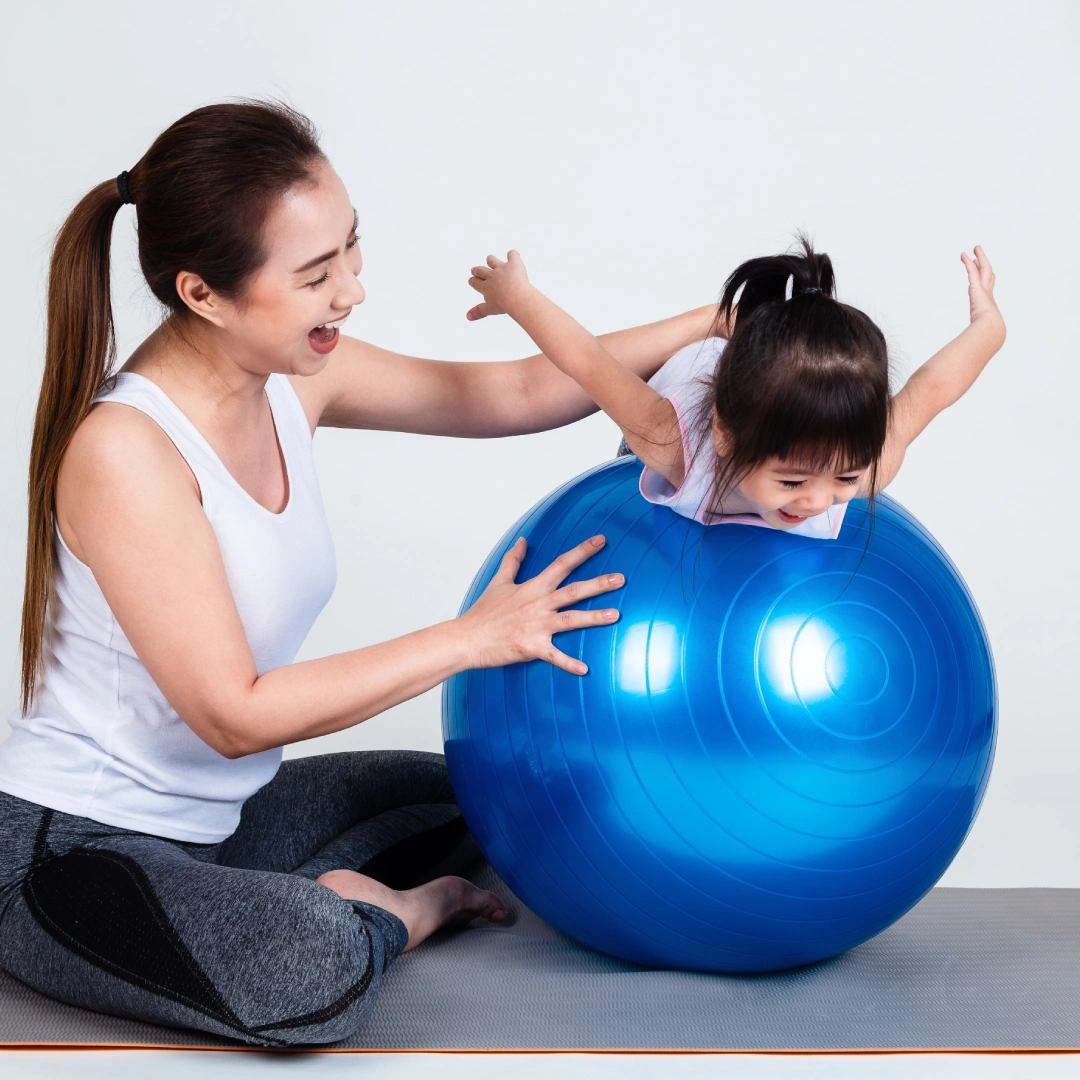
Neurological conditions can affect a child’s movement, balance, coordination, muscle control, posture, and ability to participate in daily activities. Pediatric physiotherapy for neurological conditions focuses on helping children develop functional movement skills, improve physical abilities, and participate more confidently in home, school, and community activities.
At Reconnect Physiotherapy and Wellness in Newmarket, ON, pediatric physiotherapy programs are created for infants, children, and adolescents living with neurological conditions that impact physical development. Through movement-based interventions, strength development, balance training, and motor skill practice, children can work toward reaching important developmental milestones and improving participation in everyday life.
What Is Pediatric Physiotherapy for Neurological Conditions?
Pediatric physiotherapy for neurological conditions is a branch of physiotherapy that focuses on children whose neurological conditions affect movement and physical function. The nervous system includes the brain, spinal cord, and nerves that control muscle activity, coordination, sensation, and movement patterns.
Neurological physiotherapy aims to support the development of motor skills while addressing challenges related to muscle tone, balance, coordination, mobility, and posture.
Common neurological conditions that may benefit from pediatric physiotherapy include:
- Cerebral palsy
- Developmental coordination disorder
- Spina bifida
- Traumatic brain injury
- Genetic neurological disorders
- Neuromuscular conditions
- Stroke in childhood
- Hypotonia (low muscle tone)
- Hypertonia (increased muscle tone)
- Delayed motor development
- Movement disorders
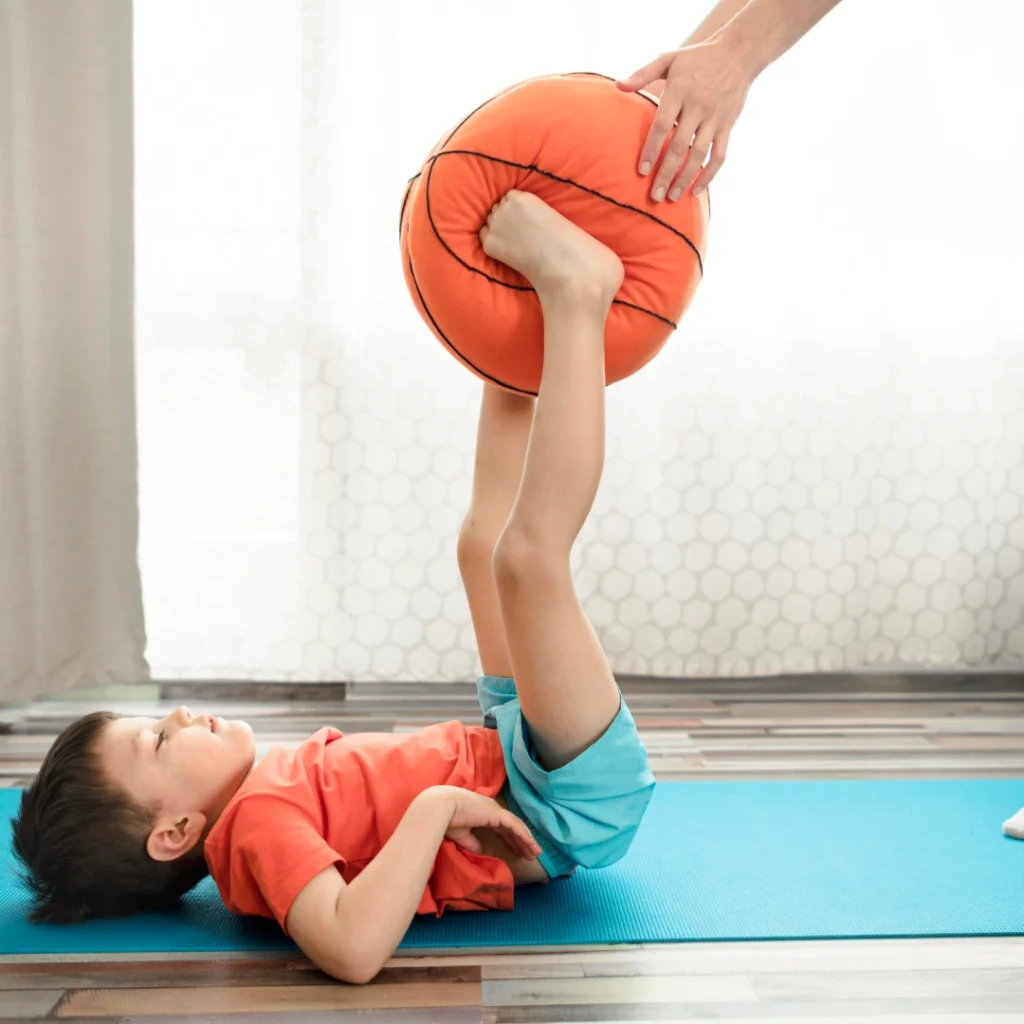
Treatment plans are based on each child’s age, abilities, developmental stage, and functional goals.
Who Can Benefit From Pediatric Physiotherapy for Neurological Conditions?
Children of various ages and developmental stages may benefit from neurological physiotherapy.
Infants
Infants may benefit when they show:
- Delays in rolling, sitting, crawling, or standing
- Abnormal muscle tone
- Difficulty controlling head movements
- Limited movement patterns
Toddlers
Toddlers may require physiotherapy if they experience:
- Delayed walking
- Frequent falls
- Poor balance
- Difficulty climbing stairs
School-Aged Children
School-aged children often seek physiotherapy for:
- Coordination difficulties
- Mobility limitations
- Challenges to participating in physical activities
- Walking pattern concerns
Adolescents
Older children and teenagers may benefit from support related to:
- Strength development
- Mobility maintenance
- Balance challenges
- Functional independence in daily activities
What Problems Can Neurological Pediatric Physiotherapy Address?
Neurological conditions can create challenges that affect movement and participation in everyday activities.
Pediatric physiotherapy may address:
- Delayed motor milestones
- Muscle weakness
- Poor balance and stability
- Walking difficulties
- Coordination challenges
- Reduced endurance
- Postural control deficits
- Limited mobility
- Joint stiffness
- Muscle tightness
- Difficulty transitioning between positions
- Challenges with running, jumping, and playground activities
- Reduced participation in sports and recreation
Early intervention may help children develop movement patterns that support continued physical development.
What Features and Deliverables Are Included in Neurological Pediatric Physiotherapy?
Comprehensive Physical Assessment
This includes evaluation of:
- Muscle strength
- Range of motion
- Balance
- Coordination
- Functional mobility
- Gross motor development
Why it matters:
A detailed assessment helps identify strengths and areas requiring attention.
Expected outcome:
A clear picture of the child’s physical abilities and developmental needs.
Gross Motor Skill Development
This focuses on movement skills such as:
- Rolling
- Sitting
- Crawling
- Standing
- Walking
- Running
- Jumping
Why it matters:
Motor skills form the foundation for physical activity and independence.
Expected outcome:
Improved movement confidence and functional abilities.
Balance and Coordination Training
Activities target:
- Stability
- Body awareness
- Movement control
Why it matters:
Balance and coordination influence daily activities and physical participation.
Expected outcome:
Improved movement efficiency and reduced risk of falls.
Strength Development
Programs may target:
- Core muscles
- Upper body strength
- Lower body strength
Why it matters:
Strength supports mobility and posture.
Expected outcome:
Improved functional movement and activity participation.
Gait Training
This includes assessment and practice of walking patterns.
Why it matters:
Efficient walking contributes to mobility and participation.
Expected outcome:
Improved walking mechanics and mobility.
Family Education
Parents and caregivers receive information about:
- Home activities
- Positioning strategies
- Movement opportunities
Why it matters:
Consistent practice outside the clinic can support ongoing progress.
Expected outcome:
Greater confidence supports a child’s development at home.
How Does the Neurological Pediatric Physiotherapy Process Work?
| Step 1: Initial Consultation – The physiotherapist discusses the child’s medical history, developmental milestones, concerns, and goals. |
| Step 2: Physical Assessment – A comprehensive evaluation is completed to assess movement, strength, posture, mobility, and function. |
| Step 3: Treatment Planning – A structured plan is developed based on the child’s needs and functional goals. |
| Step 4: Physiotherapy Sessions – Treatment sessions may include exercises, movement practice, balance activities, mobility training, and play-based interventions. |
| Step 5: Progress Monitoring – Regular reassessments help track changes and update treatment goals. |
| Step 6: Home Program Support – Families receive recommendations and activities to complete between visits. |
What Are the Benefits of Pediatric Physiotherapy for Neurological Conditions?
Children may experience improvements in:
- Gross motor development
- Balance and stability
- Walking ability
- Muscle strength
- Functional mobility
- Coordination
- Postural control
- Participation in school activities
- Recreational activity involvement
- Physical confidence
- Daily movement skills
The goal is to help children participate as fully as possible in activities that are important to them and their families.
Who and What Does Reconnect Physiotherapy and Wellness Serve?
At Reconnect Physiotherapy and Wellness, neurological pediatric physiotherapy may support children living with:
- Cerebral palsy
- Developmental delays
- Neuromuscular disorders
- Genetic conditions
- Movement disorders
- Brain injuries
- Spina bifida
- Hypotonia
- Hypertonia
- Developmental coordination challenges
Services are available for:
- Infants
- Toddlers
- Preschool-aged children
- School-aged children
- Teenagers
Frequently Asked Questions
It typically includes assessment, movement training, balance activities, strength development, mobility training, and caregiver education.
Frequency depends on the child’s condition, goals, and current abilities. Recommendations are provided following the assessment.
Yes. Physiotherapy commonly supports mobility, balance, strength, posture, and motor skill development in children with cerebral palsy.
Parent and caregiver involvement is encouraged because home practice often plays an important role in supporting progress.
The duration varies depending on the condition, developmental needs, and treatment goals.
Which Areas Does Reconnect Physiotherapy and Wellness Serve?
Reconnect Physiotherapy and Wellness provides neurological pediatric physiotherapy services for families in:
| Central Newmarket | Gorham-College Manor |
| Stonehaven-Wyndham | Aurora Heights / Aurora Village |
| Woodland Hill | Holland Landing |
| Summerhill Estates | Sharon |
Services are available to local families seeking pediatric physiotherapy support for neurological conditions.
Why Choose Reconnect Physiotherapy and Wellness?
Reconnect Physiotherapy and Wellness provides pediatric physiotherapy services focused on supporting children with neurological conditions through evidence-informed assessment and treatment approaches.
Families benefit from:
- Individualized assessments
- Child-focused treatment planning
- Goal-oriented physiotherapy sessions
- Family involvement throughout care
- Ongoing progress monitoring
- Support across developmental stages
- A welcoming environment for children and caregivers
The clinic works closely with families to support meaningful physical goals and participation in daily activities.
Related Services
Related services may include:
- Pediatric Physiotherapy
- Developmental Delay Physiotherapy
- Gross Motor Development Therapy
- Infant Physiotherapy
- Balance and Coordination Training
- Pediatric Orthopedic Physiotherapy
- Torticollis Treatment
- Sports Injury Physiotherapy for Children
- Strength and Mobility Programs
- Pediatric Wellness Services
Get Started With Neurological Pediatric Physiotherapy in Newmarket
If your child has been diagnosed with a neurological condition or is experiencing challenges with movement, balance, coordination, or motor development, the team at Reconnect Physiotherapy and Wellness is available to help.
Contact Us:
Address: 600 Bray Cir Unit 2, Newmarket, ON L3Y 4W4, Canada
Phone: +1 647-622-7825
Contact Reconnect Physiotherapy and Wellness in Newmarket, ON to book an appointment and learn how pediatric physiotherapy may support your child’s physical development and everyday participation.